Last updated: May 2022
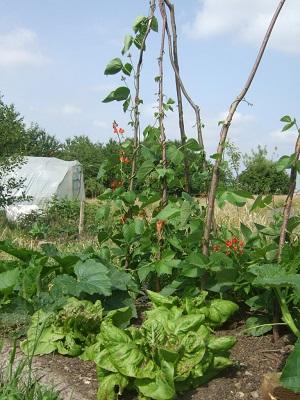
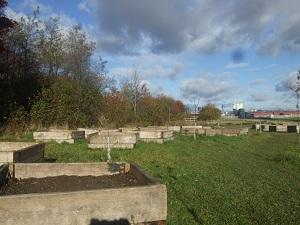
In 2012, Glasgow City Council provided Urban Roots with two acres of vacant land for the development of a market garden and orchard. Urban Roots is a community-led organisation working across the Southside of Glasgow. It evolved out of the Toryglen Gardening Club. The Toryglen community market garden sought to encourage community cohesion and environmental improvement in the area of Toryglen. The project is committed to improving the environment and health of the area through a range of activities including community gardening, conservation, and biodiversity. The aim is to inspire people and communities to connect with nature and to take practical action to tackle the root causes of climate change (Ref 1, 3).
Overview
Nature-based solution
- Community gardens and allotments
- Allotments
- Community gardens
Key challenges
- Environmental quality
- Soil quality improvement
- Air quality improvement
- Green space, habitats and biodiversity (SDG 15)
- Habitat and biodiversity restoration
- Green space creation and/or management
- Health and well-being (SDG 3)
- Enabling opportunities for physical activity
- Creation of opportunities for recreation
- Social justice, cohesion and equity (SDG 10)
- Environmental education
- Economic development and employment (SDG 8)
- Economic development: agriculture
- Sustainable consumption and production (SDG 12)
- Sustainable consumption
- Sustainable production
Focus
Creation of new green areas, Transformation of previously derelict areas
Project objectives
o Increase access to locally grown food and support good dietary health.
o To promote active lifestyles by encouraging local people to participate in gardening projects.
o Promoting organic gardening and permaculture.
o Maintaining biodiversity.
o Aesthetics.
o Education and training to locals.
o Employment.
o Market opportunities (Ref 1).
Implementation activities
Urban Roots employed a Project Coordinator to develop proposals for the market garden. Over 900 local residents were consulted on the plans for the site and the final proposals were implemented in partnership with volunteers from the local community. Urban Roots facilitate two weekly sessions for local people to assist with the growing of fruit and vegetables at the Community Market Garden. Volunteers include people with additional support needs, mental health problems, addiction issues and the long term unemployed. They are given the opportunity to learn about gardening and are eligible to take away a share of the product in exchange for a day's volunteering. The Community Market Garden provides space for seven local families to grow their own produce in purpose-built beds. Urban Roots is working with five local schools and colleges to develop projects in the Community Market Garden. The projects focus on biodiversity and garden design and build awareness (Ref 2).
Biodiversity conservation or restoration-focused activities
Biodiversity restoration:
- Restore species (native, endangered, or unspecified)
- Public engagement
Main beneficiaries
- Citizens or community groups
- Marginalized groups: Other
Governance
Management set-up
- Co-governance with government and non-government actors
Type of initiating organisation
- Non-government organisation/civil society
Participatory approaches/ community involvement
- Co-management/Joint management
Details on the roles of the organisations involved in the project
Glasgow City Council provided Urban Roots with two acres of vacant land for the development of a market garden and orchard. Glasgow City Council owns the land and Urban Roots are implementing the project with the voluntary help from the citizens. (Ref 1)
Project implemented in response to ...
... an EU policy or strategy?
Unknown
... a national policy or strategy?
Unknown
... a local policy or strategy?
Unknown
Financing
Total cost
€50,000 - €100,000
Source(s) of funding
- Public national budget
Type of funding
- Direct funding (grants, subsidies, or self-financed projects by private entities)
Non-financial contribution
Type of non-financial contribution
- Provision of land
- Provision of goods
- Provision of labour
Who provided the non-financial contribution?
- Citizens (e.g. volunteering)
- Other
Impacts and Monitoring
Environmental impacts
- Climate change
- Enhanced carbon sequestration
- Environmental quality
- Improved air quality
- Improved soil quality
- Green space and habitat
- Increased green space area
- Increased conversion of degraded land or soil
- Increased number of species present
- Restoration of derelict areas
Economic impacts
- Increase in agricultural production (for profit or not)
Socio-cultural impacts
- Social justice and cohesion
- Improved access to urban green space
- Increased visibility and opportunity for marginalised groups or indigenous peoples
- Increased opportunities for social interaction
- Increased involvement of locals in the management of green spaces
- Increased access to healthy/affordable food
- Increased sustainability of agriculture practices
- Health and wellbeing
- Gain in activities for recreation and exercise
- Cultural heritage and sense of place
- Improvement in people’s connection to nature
- Education
- Increased support for education and scientific research
- Increased knowledge of locals about local nature
- Increased awareness of NBS and their benefits
Type of reported impacts
Achieved impacts
Presence of formal monitoring system
Unknown
Presence of indicators used in reporting
No evidence in public records
Presence of monitoring/ evaluation reports
No evidence in public records
Availability of a web-based monitoring tool
No evidence in public records
References
1. Toryglen Community Market Garden. Central Scotland Green Network. Available at: Source link. Accessed on 29th July 2020.
2. Urban Roots- Market Gardening in Glasgow. Central Scotland Green Network. Case study. Available at: Source link . accessed on 29th July 2020.
3. Green Infrastructure. An urban gem in Toryglen. Available at: Source link. Accessed on 29th July, 2020.
4. Urban Roots. Market Garden. Available at: Source link. Accessed on 30th July, 2020.
2. Urban Roots- Market Gardening in Glasgow. Central Scotland Green Network. Case study. Available at: Source link . accessed on 29th July 2020.
3. Green Infrastructure. An urban gem in Toryglen. Available at: Source link. Accessed on 29th July, 2020.
4. Urban Roots. Market Garden. Available at: Source link. Accessed on 30th July, 2020.