

The Seven Lochs Wetland Park is an urban park that is due to be created in Scotland. It will comprise nearly 20 km² of land and water between Glasgow and Coatbridge. The park will combine many existing features, including four local nature reserves; Bishop Loch, Cardowan Moss, Commonhead Moss (a raised bog) and Hogganfield Park; Drumpellier Country Park which includes Woodend Loch SSSI and Lochend Loch; Frankfield Loch; Johnston Loch; Garnqueen Loch; Provan Hall a 15th-century category A listed building. It will be Scotland's largest urban heritage and nature park. The vision for the Seven Lochs Wetland Park is of a new park of national significance, sustaining and enhancing a high quality, innovative wetland environment that will (a) protect and enhance biodiversity and heritage (b) promote health and well-being (c) contribute to environmental, economic and social regeneration (Ref 1).
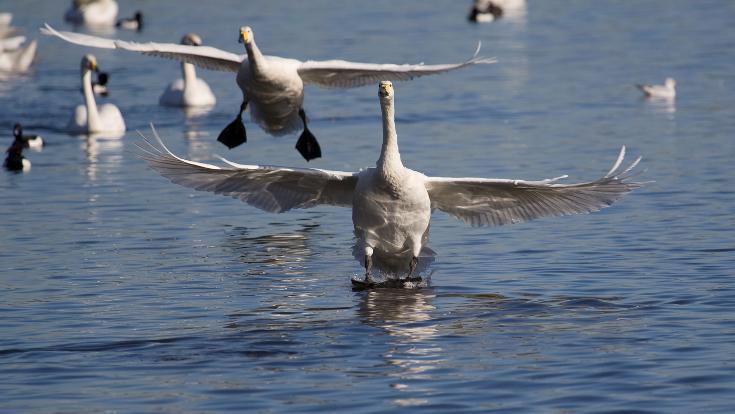
Overview
Nature-based solution
- Blue infrastructure
- In-land wetlands, peatlands, swamps, and moors
Key challenges
- Climate action for adaptation, resilience and mitigation (SDG 13)
- Climate change adaptation
- Climate change mitigation
- Environmental quality
- Air quality improvement
- Green space, habitats and biodiversity (SDG 15)
- Habitat and biodiversity conservation
- Regeneration, land-use and urban development
- Promote natural styles of landscape design for urban development
- Water management (SDG 6)
- Flood protection
- Improvements to water quality
- Cultural heritage and cultural diversity
- Preservation of natural heritage
- Protection of historic and cultural landscape/infrastructure
- Health and well-being (SDG 3)
- Improving physical health
- Creation of opportunities for recreation
- Inclusive and effective governance (SDG 16)
- Effective management
- Economic development and employment (SDG 8)
- Tourism support
- Real estate development
- Employment/job creation
Focus
Project objectives
Implementation activities
Climate-focused activities
Climate change adaptation:
- Restore wetlands and/or coastal ecosystems to dissipate the effects of flooding and/or storms
Climate change mitigation:
- Increase green urban nature for carbon storage (wetlands, tree cover)
- Invest in public transport/bicycle infrastructure as a means to prevent car use
- Raise public awareness of behaviours, lifestyle and cultural changes with mitigation potential
Biodiversity conservation or restoration-focused activities
Biodiversity conservation:
- Protect and enhance urban habitats
- Promote environmentally-sound development in and around protected areas
- Preserve and strengthen habitat connectivity
- Protect species
- Undertake specific measures to protect species
- Undertake specific measures to protect native species
- Undertake specific measures to protect valued species
- Means for conservation governance
- Manage biological resources for conservation and sustainable use
- Raise public awareness
- Public engagement
- Create and use scientific knowledge for conservation
Main beneficiaries
- Local government/Municipality
- Citizens or community groups
- Marginalized groups: People with functional diversities
Governance
Management set-up
- Co-governance with government and non-government actors
Type of initiating organisation
- National government
- Regional government
- Local government/municipality
- Non-government organisation/civil society
- Business association or network
- Private foundation/trust
Participatory approaches/ community involvement
- Other
Details on the roles of the organisations involved in the project
Project implemented in response to ...
Financing
Total cost
Source(s) of funding
- Private Foundation/Trust
Type of funding
- Direct funding (grants, subsidies, or self-financed projects by private entities)
Non-financial contribution
Impacts and Monitoring
Environmental impacts
- Climate change
- Lowered local temperature
- Enhanced carbon sequestration
- Environmental quality
- Improved air quality
- Water management and blue areas
- Improved water quality
- Increased protection against flooding
- Green space and habitat
- Promotion of naturalistic styles of landscape design for urban development
- Increase in protected green space areas
- Increased number of protection areas
- Increased conservation or restoration of ecosystems
- Increased ecological connectivity across regeneration sites and scales
- Reduced biodiversity loss
Economic impacts
- Increase of green jobs (e.g. paid employment positions)
- More sustainable tourism
- Attraction of business and investment
Socio-cultural impacts
- Social justice and cohesion
- Improved access to urban green space
- Increased opportunities for social interaction
- Health and wellbeing
- Gain in activities for recreation and exercise
- Cultural heritage and sense of place
- Improvement in people’s connection to nature
- Protection of historic and cultural landscape / infrastructure
- Education
- Increased support for education and scientific research
Type of reported impacts
Presence of formal monitoring system
Presence of indicators used in reporting
Presence of monitoring/ evaluation reports
Availability of a web-based monitoring tool
References
2. Heritage Fund (2014) Success of Seven Loch’s. Available at: Source link. Accessed on 29th July, 2020.
3. Case Study. Seven Lochs Wetland Park. Central Scotland Green Network.
4. GCV Green Network. Seven Lochs wetland Park. Available at: Source link. Accessed on 30th July, 2020.
5. Seven Lochs Wetland Park Wikipedia page. Available at: Source link. Accessed on 29th July, 2020.