

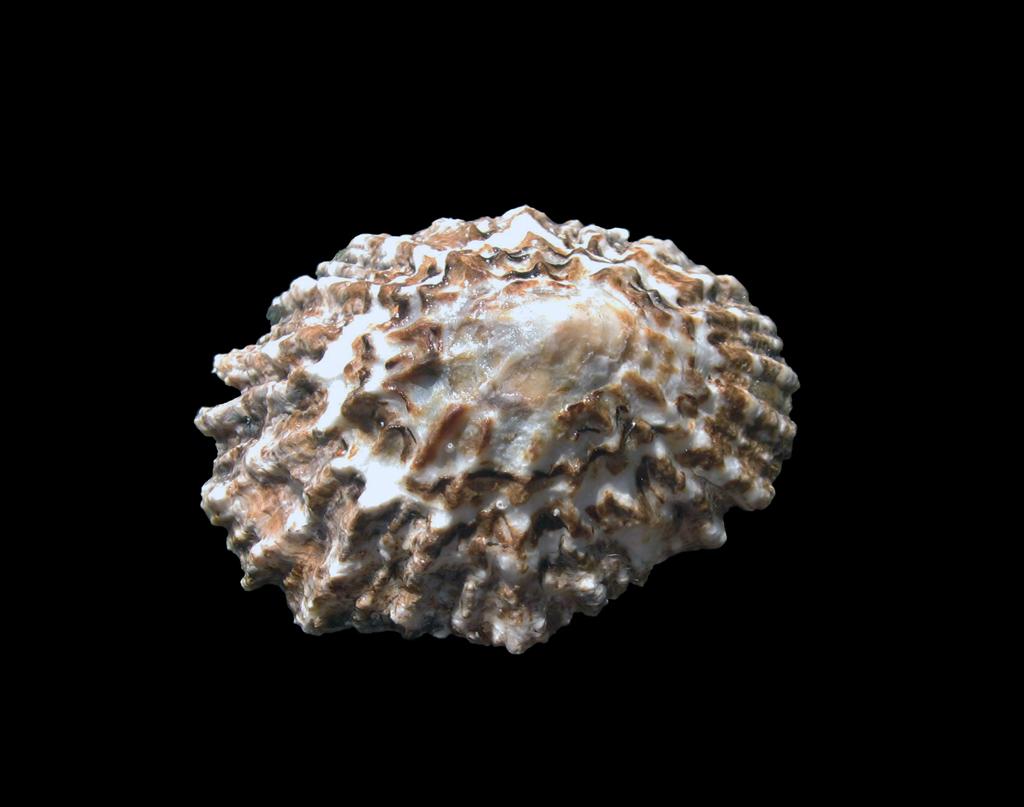
The project aims to reintroduce Patella ferruginea in the three Protected Marine Areas (AMP) (Portofino, Bergeggi and Cinque Terre), where the causes of extinction have been eliminated and an adequate level of protection is ensured (1). The project expects to achieve the following results: Biodiversity recovery and restoration of ribbed Mediterranean limpet by re-establishing a local population starting with 100 specimens; Reproduction and production of juveniles (some 6 000 larvae per year) to be introduced to the target areas for restocking; Full recovery and new population development of ribbed Mediterranean limpet in the target area; Restoration of the population translocated from Tavolara by introducing juveniles from controlled reproduction; and Strengthened territorial promotion and reinforcement of the “clean sea” message" (4).
Overview
Nature-based solution
- Blue infrastructure
- Coastlines
Key challenges
- Water management (SDG 6)
- Improvements to water quality
- Coastal resilience and marine protection (SDG 14)
- Coastal protection / hazard mitigation
- Marine and coastal biodiversity protection
- Green space, habitats and biodiversity (SDG 15)
- Habitat and biodiversity restoration
- Habitat and biodiversity conservation
- Green space creation and/or management
- Social justice, cohesion and equity (SDG 10)
- Environmental and climate justice
- Economic development and employment (SDG 8)
- Tourism support
- Cultural heritage and cultural diversity
- Preservation of natural heritage
Focus
Project objectives
Implementation activities
Biodiversity conservation or restoration-focused activities
Biodiversity conservation:
- Protect and enhance urban habitats
- Preserve and strengthen existing habitats and ecosystems
- Promote environmentally-sound development in and around protected areas
- Create new habitats
- Reduce negative impacts and avoid the alteration/damage of ecosystem
- Protect species
- Undertake specific measures to protect species
- Undertake specific measures to protect native species
- Undertake specific measures to protect endangered species
- Undertake specific measures to protect valued species
- Means for conservation governance
- Manage biological resources for conservation and sustainable use
- Create and use scientific knowledge for conservation
Biodiversity restoration:
- Rehabilitate and restore damaged or destroyed ecosystems
- Restore species (native, endangered, or unspecified)
- Restore native species
- Restore valued species
- Restore endangered species
- Restore ecological connectivity
Main beneficiaries
- Local government/Municipality
- Researchers/University
- Other
Governance
Management set-up
- Co-governance with government and non-government actors
Type of initiating organisation
- Local government/municipality
Participatory approaches/ community involvement
- Dissemination of information and education
Details on the roles of the organisations involved in the project
Project implemented in response to ...
Financing
Total cost
Source(s) of funding
- EU funds
- Public local authority budget
Type of funding
- Earmarked public budget
- Direct funding (grants, subsidies, or self-financed projects by private entities)
Non-financial contribution
Impacts and Monitoring
Environmental impacts
- Water management and blue areas
- Improved water quality
- Green space and habitat
- Increased conservation or restoration of ecosystems
- Reduced biodiversity loss
- Increased number of species present
- Increased protection of threatened species
- Increased ecological connectivity across regeneration sites and scales
Economic impacts
- Unknown
Socio-cultural impacts
- Cultural heritage and sense of place
- Increased awareness of flora and fauna as culturally and historically meaningful
- Increased appreciation for natural spaces
- Education
- Increased support for education and scientific research
- Increased knowledge of locals about local nature
- Increased awareness of NBS and their benefits
Type of reported impacts
Presence of formal monitoring system
Presence of indicators used in reporting
Presence of monitoring/ evaluation reports
Availability of a web-based monitoring tool
References
2. Levante News (2017), Liguria/ Progetto ReLife patella ferruginea: arrivati i primi esemplari, Available at Source link (Accessed 3-9-2020)
3. Levante News (2017), Camogli: vasche per ambientare le patelle sarde, Available at Source link (Accessed 3-9-2020)
4. Source link (2016), Source link - Re-establishment of the Ribbed Limpet (Patella ferruginea) in Ligurian MPAs by Restocking and Controlled Reproduction, Available at Source link (Accessed 3-9-2020)
5.Facebook page of the project (no date), Available at Source link (Accessed 3-9-2020)
6. Re-Life (2017), Project website, Available at Source link (Accessed 3-9-2020)
7. MedMPAnet Project (2015), A GUIDE ON ENVIRONMENTAL MONITORING OF ROCKY SEABEDS IN
MEDITERRANEAN MARINE PROTECTED AREAS AND SURROUNDING ZONES, Available at Source link (Accessed 3-9-2020)