

Last updated: June 2024
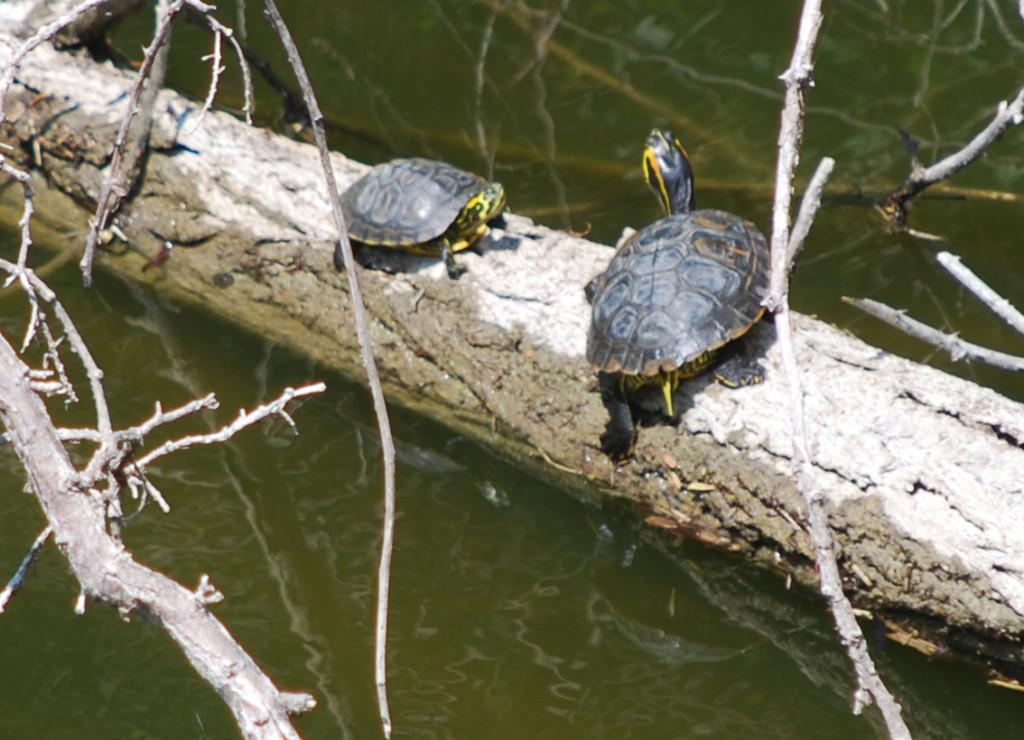
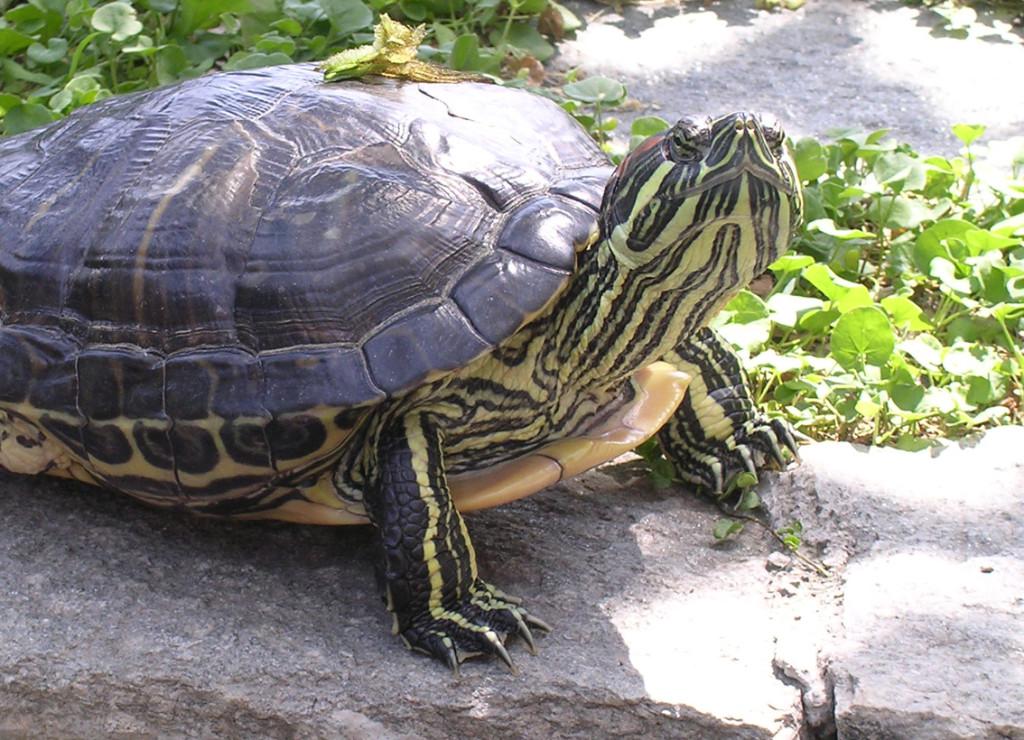
The project tackles the habitat fragility of the Ligurian wetlands and the impact of a turtle species called Emys orbicularis in the Centa Piana river, the Vara and Magra rivers areas. The project focused on the restoration of the natural habitat, the eradication of invasive American species threatening the European turtle species and the assistance of local turtles reproduction and re-introduction in the wild. A large part of the project was conducted thanks to the participation of volunteers and large emphasis was given to education about environmental habitats protection. (1)
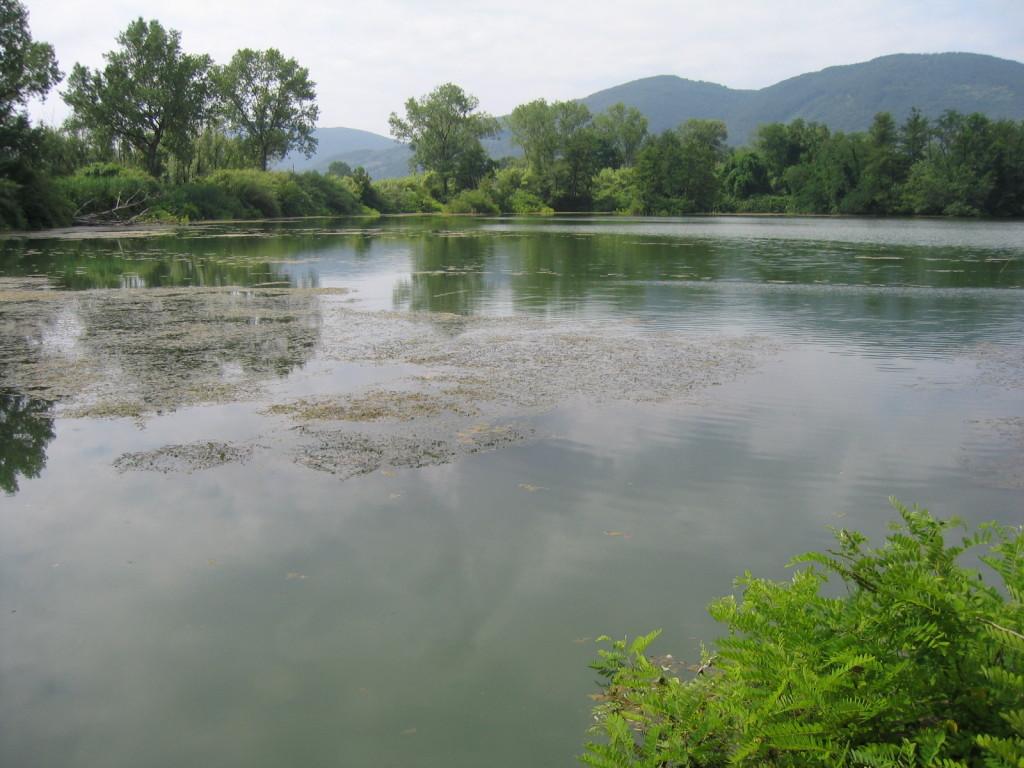
http://www.lifeemys.eu/en/image-gallery/
Overview
Nature-based solution
- Blue infrastructure
- Rivers/streams/canals/estuaries
- Coastal wetland, mangroves and salt marshes
- Other
Key challenges
- Green space, habitats and biodiversity (SDG 15)
- Habitat and biodiversity restoration
- Habitat and biodiversity conservation
- Cultural heritage and cultural diversity
- Preservation of natural heritage
- Social justice, cohesion and equity (SDG 10)
- Environmental and climate justice
- Economic development and employment (SDG 8)
- Tourism support
Focus
Management and improved protection of rivers and other blue areas, Knowledge creation and awareness raising, Monitoring and maintenance of habitats and/or biodiversity
Project objectives
- To eradicate invasive, non-native freshwater terrapin and turtle species in two areas, including the most significant wetland habitats of Liguria: the plain of Centa river and the basins of the Magra and Vara rivers;
- To implement ex-situ breeding with the aim of re-stocking the population of the European pond turtle of the Centa plain;
- To restock with captive bred juveniles the Centa plain wetland habitat areas favoured by the European pond turtles. (This action will also aim at the removal of all alien invasive freshwater turtle and terrapin species);
- To improve the wetland habitat quality for the targeted pond turtle species, in particular concerning its important basking and breeding areas;
- To draw up a ‘pathology risk assessment’ (before, during and after the restocking) for both the released and the wild turtle species; and
- To increase public awareness of the vulnerability of wetland ecosystems (1).
Implementation activities
- Captures of the alien terrapins from the designated sites and re-location of the animals at the Pistoia Zoo, where it has been created a dedicated wetland for communication to the public.
- Farming of the Emys orbicularis ingauna in order to re-populate the species in the Centa Piana . The re-introduced animals will carry a microchip and radio-tags.
- Habitat improvement to ameliorate the nesting sites by pooling weeds and creating new basking areas.
- Health risk-assessment before and after the re-introduction of the animals, by qualitative and quantitative analysis.
- Public information and education activities at the Pistoia Zoological Garden and Acquario di Genova (2).
Biodiversity conservation or restoration-focused activities
Biodiversity conservation:
- Protect and enhance urban habitats
- Create new habitats
- Reduce negative impacts and avoid the alteration/damage of ecosystem
- Protect species
- Undertake specific measures to protect species
- Undertake specific measures to protect native species
- Undertake specific measures to protect endangered species
- Undertake specific measures to protect valued species
- Control and clean invasive alien species
- Take measures for ex situ conservation
- Means for conservation governance
- Raise public awareness
- Public engagement
- Create and use scientific knowledge for conservation
Biodiversity restoration:
- Rehabilitate and restore damaged or destroyed ecosystems
- Restore species (native, endangered, or unspecified)
- Restore native species
- Restore valued species
- Restore endangered species
- Clear and control invasive alien species
- Public engagement
Main beneficiaries
- Local government/Municipality
- Private sector/Corporate/Company
- Researchers/University
- Other
Governance
Management set-up
- Co-governance with government and non-government actors
Type of initiating organisation
- Local government/municipality
- Private sector/corporate actor/company
Participatory approaches/ community involvement
- Dissemination of information and education
Details on the roles of the organisations involved in the project
Costa Edutainment S.p.A. is a training center leading the project in cooperation with Agenzia Regionale per la protezione dell'Ambiente Ligure, Italy Ente Parco di Montemarcello-Magra, Italy Società Zoologica di Pistoia Srl, Italy Università degli Studi di Genova, Italy (1).
The project was part of the EU LIFE Project for the application of NBS for habitat preservation and local species protection (1, 2).
Project implemented in response to ...
... an EU policy or strategy?
Yes
(- EU Habitats Directive,
- EU Regulation 1143/2014 on Invasive Alien Species (2). )
... a national policy or strategy?
Unknown
... a local policy or strategy?
Unknown
Financing
Total cost
€500,000 - €2,000,000
Source(s) of funding
- Public regional budget
- EU funds
Type of funding
- Earmarked public budget
- Direct funding (grants, subsidies, or self-financed projects by private entities)
Non-financial contribution
Type of non-financial contribution
- Provision of land
- Provision of labour
- Provision of expertise
Who provided the non-financial contribution?
- Public authorities (e.g. land, utility services)
- Citizens (e.g. volunteering)
Impacts and Monitoring
Environmental impacts
- Water management and blue areas
- Enhanced protection and restoration of freshwater ecosystems
- Green space and habitat
- Increase in protected green space areas
- Increased number of protection areas
- Increased conservation or restoration of ecosystems
- Increased ecological connectivity across regeneration sites and scales
- Increased conversion of degraded land or soil
- Reduced biodiversity loss
- Increased number of species present
- Increased protection of threatened species
- Improved prevention or control of invasive alien species
Economic impacts
- Unknown
Socio-cultural impacts
- Unknown
Type of reported impacts
Achieved impacts
Presence of formal monitoring system
Yes
Presence of indicators used in reporting
Yes
Presence of monitoring/ evaluation reports
Yes
Availability of a web-based monitoring tool
Yes
References
1. Source link (no date), LIFEEMYS - Ligurian Invasive Fauna Eradication pro indigenous Emys orbicularis restocking, Available at Source link (Accessed 4-9-2020)
2. LifeEmys (no date), NBS official website, Available at Source link (Accessed 4-9-2020)
3. LifeEmys (no date), Education for school children, Available at Source link (Accessed 4-9-2020)
4. LifeEmys (no date), AFTER LIFE Conservation Plan, Available at Source link (Accessed 4-9-2020)
5. LifeEmys (no date), Stakeholders Recruitment Activities, Available at Source link (Accessed 4-9-2020)
6. LifeEmys (no date), Educational activities, Available at Source link (Accessed 4-9-2020)
7. LifeEmys (no date), Layman Report, Available at Source link, (Accessed 4-9-2020)
8. LifeEmys (no date), Project summary, Available at Source link (Accessed 4-9-2020)
9. LifeEmys (2016), Challenges of monitoring reintroduction outcomes, Available at Source link (Accessed 4-9-2020)
10. LifeEmys (2016), Global RE Introduction Perspectives, Available at Source link (Accessed 4-9-2020)
11. LifeEmys (2013), Project Publication, Available at Source link (Accessed 4-9-2020)
2. LifeEmys (no date), NBS official website, Available at Source link (Accessed 4-9-2020)
3. LifeEmys (no date), Education for school children, Available at Source link (Accessed 4-9-2020)
4. LifeEmys (no date), AFTER LIFE Conservation Plan, Available at Source link (Accessed 4-9-2020)
5. LifeEmys (no date), Stakeholders Recruitment Activities, Available at Source link (Accessed 4-9-2020)
6. LifeEmys (no date), Educational activities, Available at Source link (Accessed 4-9-2020)
7. LifeEmys (no date), Layman Report, Available at Source link, (Accessed 4-9-2020)
8. LifeEmys (no date), Project summary, Available at Source link (Accessed 4-9-2020)
9. LifeEmys (2016), Challenges of monitoring reintroduction outcomes, Available at Source link (Accessed 4-9-2020)
10. LifeEmys (2016), Global RE Introduction Perspectives, Available at Source link (Accessed 4-9-2020)
11. LifeEmys (2013), Project Publication, Available at Source link (Accessed 4-9-2020)
http://www.lifeemys.eu/en/image-gallery/
http://www.lifeemys.eu/en/image-gallery/