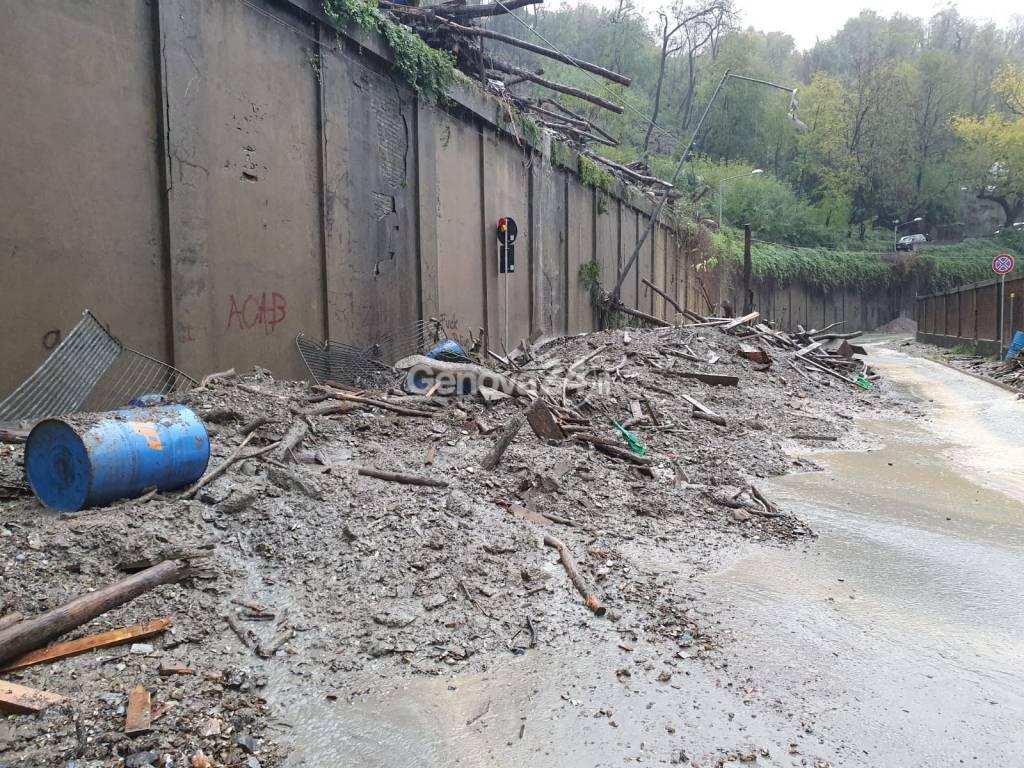
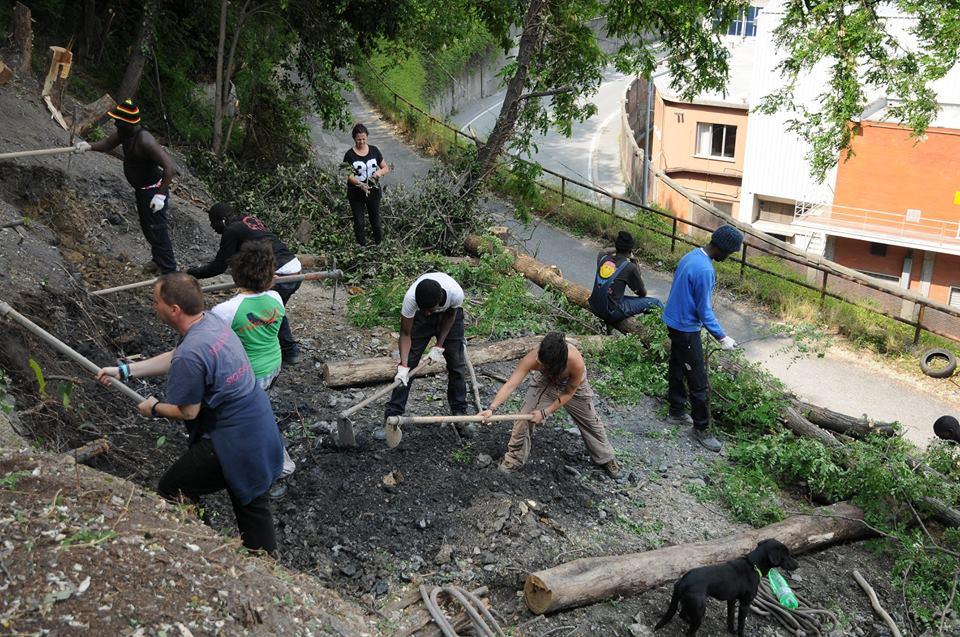
The OrtoCollettivo project focuses on the creation of common spaces to grow local sustainable food while raising awareness about environmental challenges in cities. The project is based on teamwork: if there is work planned for today and someone cannot come to do that job, someone else will do it, with the ultimate benefit of everyone. It, therefore, stimulates common values about well-being, sustainable food production, and sharing time and activities collectively as a group (2). The initiative is ongoing and expanding, however in 2020 there were voices from the people living in the area that the poor maintenance of the terraces caused landslides and disturbed traffic. Nevertheless the NGO that initiated the intervention defended the project and suggested that the issue is caused by the lack of canals for the rain water to flow in. (8)
Overview
Nature-based solution
- Community gardens and allotments
- Community gardens
Key challenges
- Social justice, cohesion and equity (SDG 10)
- Environmental education
- Social justice and equity
- Environmental and climate justice
- Social cohesion
- Social interaction
- Economic development and employment (SDG 8)
- Economic development: agriculture
- Sustainable consumption and production (SDG 12)
- Sustainable consumption
- Sustainable production
Focus
Project objectives
Implementation activities
Main beneficiaries
- Citizens or community groups
- Marginalized groups: Refugees, asylum seekers, and migrants, Socio-economically disadvantaged populations (e.g. low-income households, unemployed), Other
- Young people and children
Governance
Management set-up
- Co-governance with government and non-government actors
Type of initiating organisation
- Non-government organisation/civil society
Participatory approaches/ community involvement
- Dissemination of information and education
- Joint implementation (e.g. tree planting)
- Co-management/Joint management
- Other
Details on the roles of the organisations involved in the project
Project implemented in response to ...
Financing
Total cost
Source(s) of funding
- Unknown
Type of funding
- Unknown
Non-financial contribution
- Provision of land
- Provision of goods
- Provision of labour
- Provision of expertise
- Exchange of services
- Public authorities (e.g. land, utility services)
- Citizens (e.g. volunteering)
- Other
Impacts and Monitoring
Environmental impacts
- Green space and habitat
- Increased green space area
- Restoration of derelict areas
Economic impacts
- Unknown
Socio-cultural impacts
- Social justice and cohesion
- Improved social cohesion
- Increased visibility and opportunity for marginalised groups or indigenous peoples
- Increased opportunities for social interaction
- Increased involvement of locals in the management of green spaces
- Increased access to healthy/affordable food
- Cultural heritage and sense of place
- Promotion of cultural diversity
Type of reported impacts
Presence of formal monitoring system
Presence of indicators used in reporting
Presence of monitoring/ evaluation reports
Availability of a web-based monitoring tool
References
2. Italia Che Cambia (2015), Orto Collettivo, Available at Source link (Accessed 3-9-2020)
3. Youtube (2013), Interview to one of the project coordinators, Available at Source link (Accessed 3-9-2020)
4. Comune di Genova (2013), Orti urbani. Una visione sistemica del territorio, Available at Source link (Accessed 3-9-2020)
5. Facebook page of the project, Project website, Available at Source link (Accessed 3-9-2020)
6. Il Sole 24 ore (2016), A Genova l'Orto collettivo più grande del mondo, Available at Source link (Accessed 3-9-2020)
7. European Consumers (2015), Orto collettivo più grande d’Europa a Genova, Available at Source link, (Accessed 3-9-2020)
8. Genova24 (2020), Corso Perrone, torna l’incubo delle frane: sotto accusa l’area per i detriti del Terzo Valico, available at Source link (accessed 19-9-2021)