

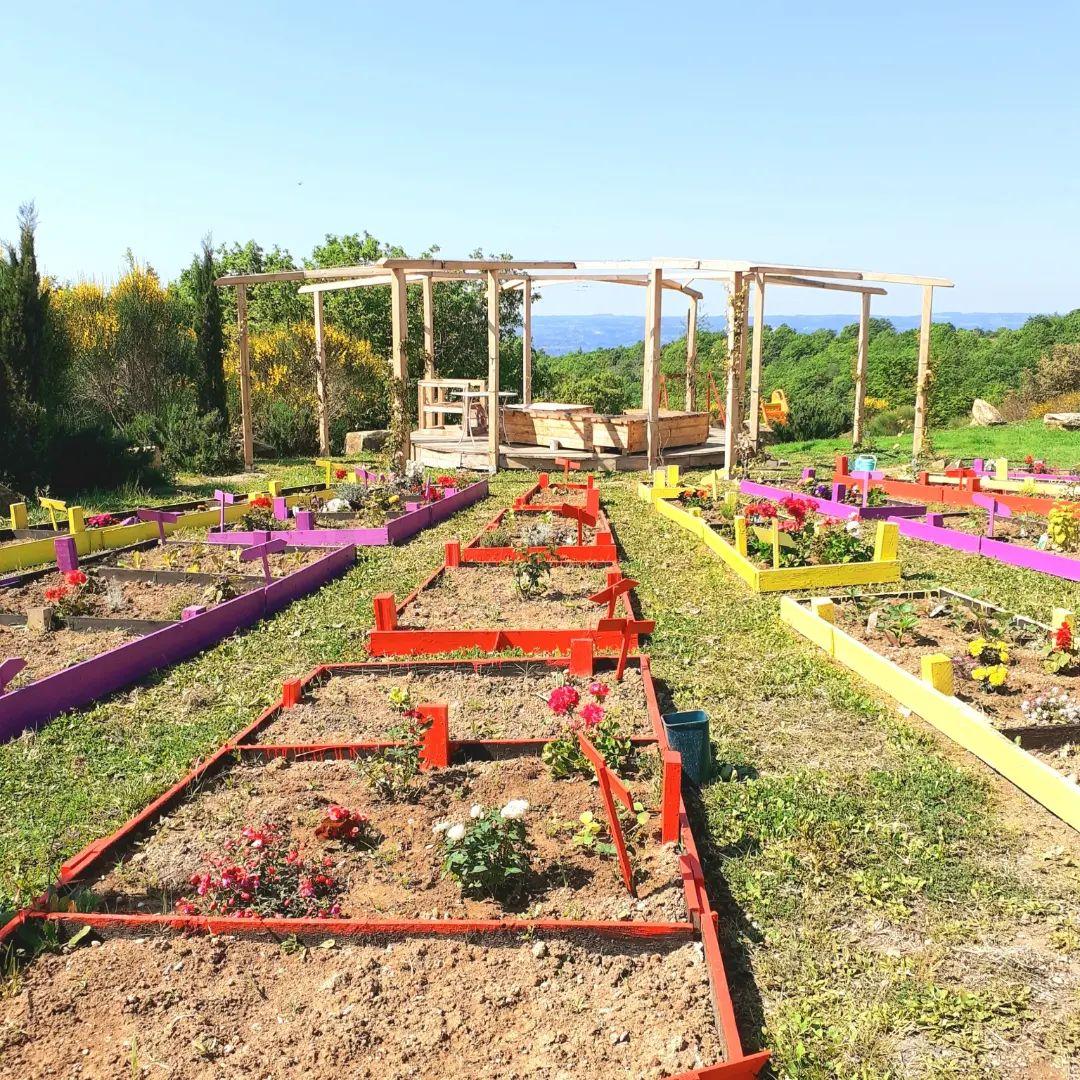
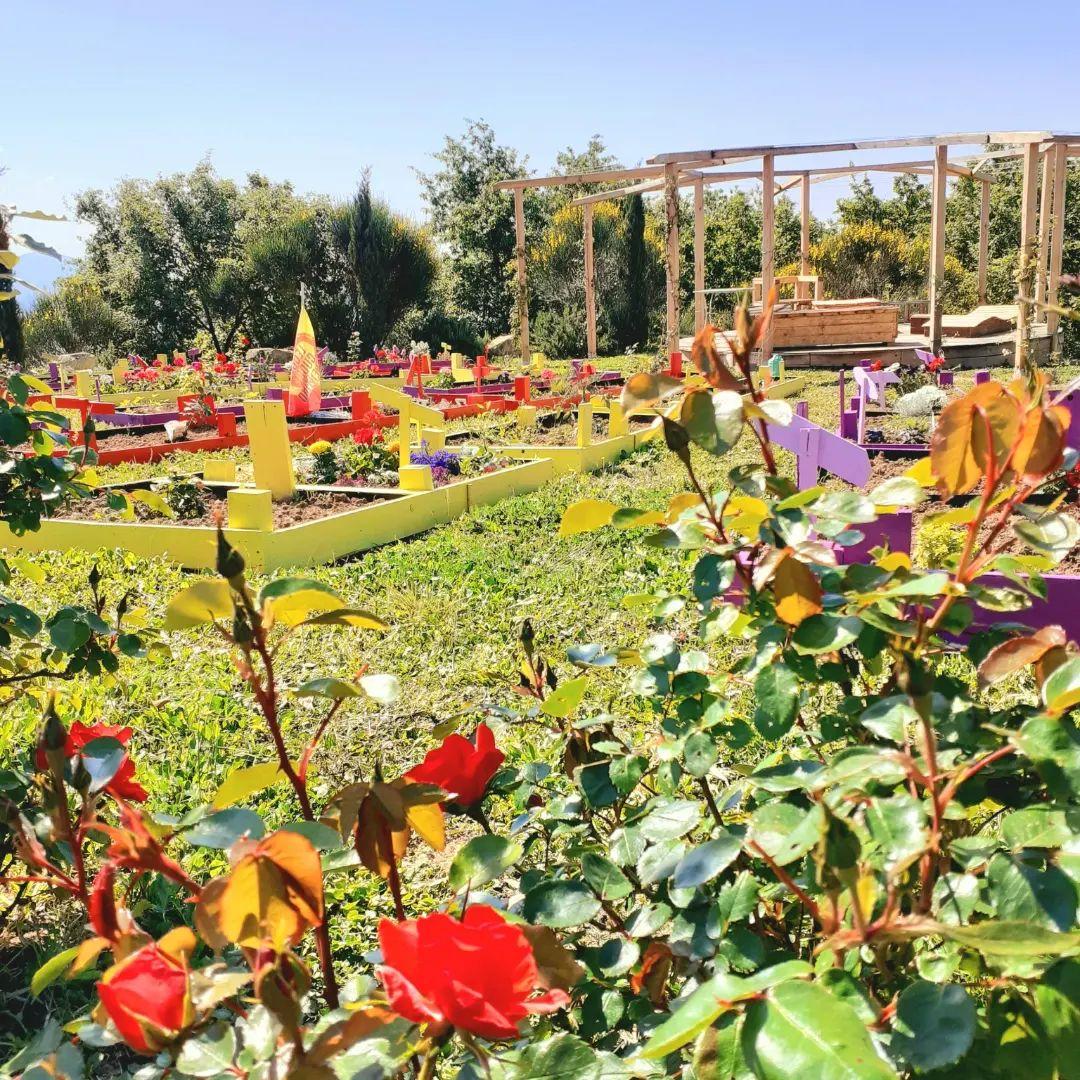
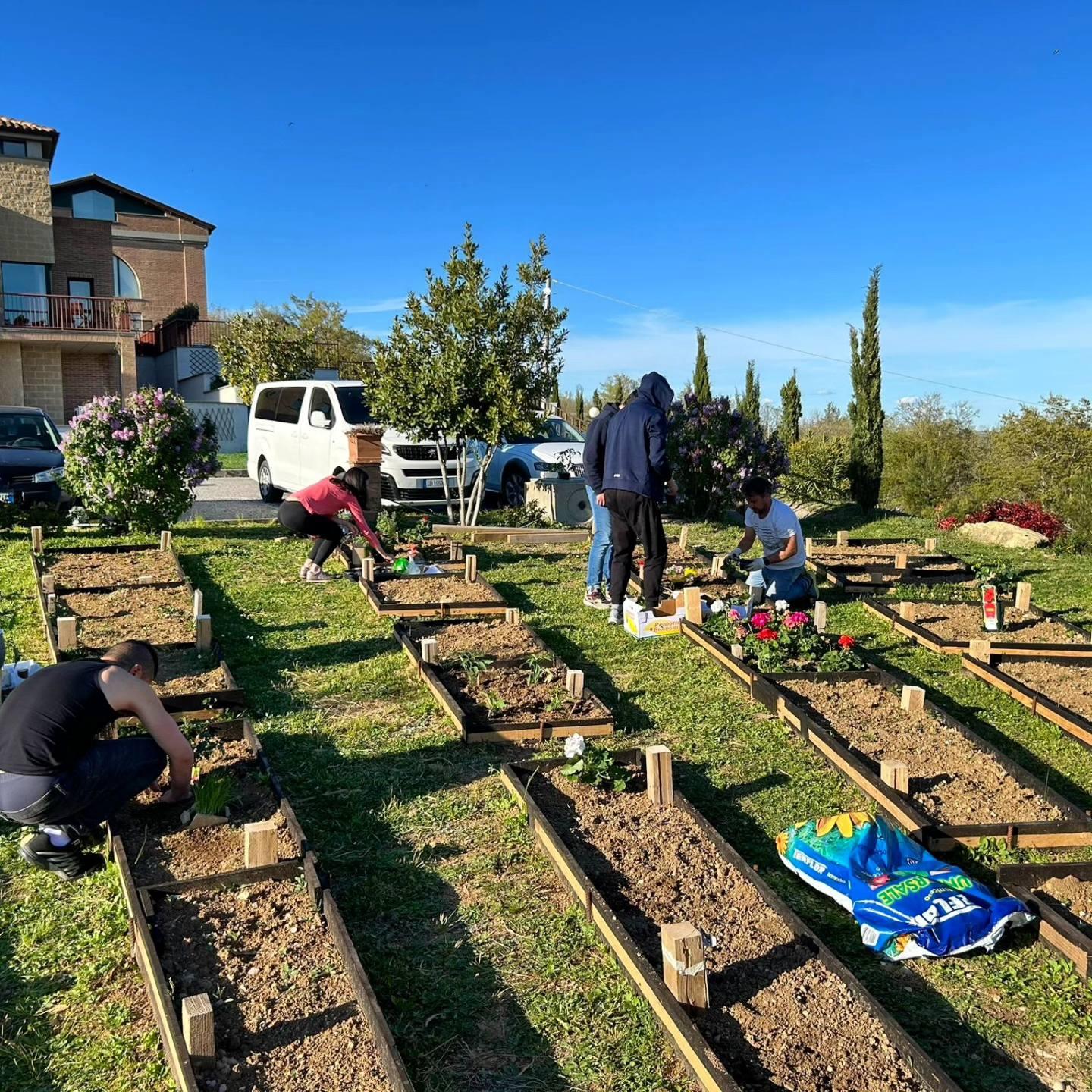
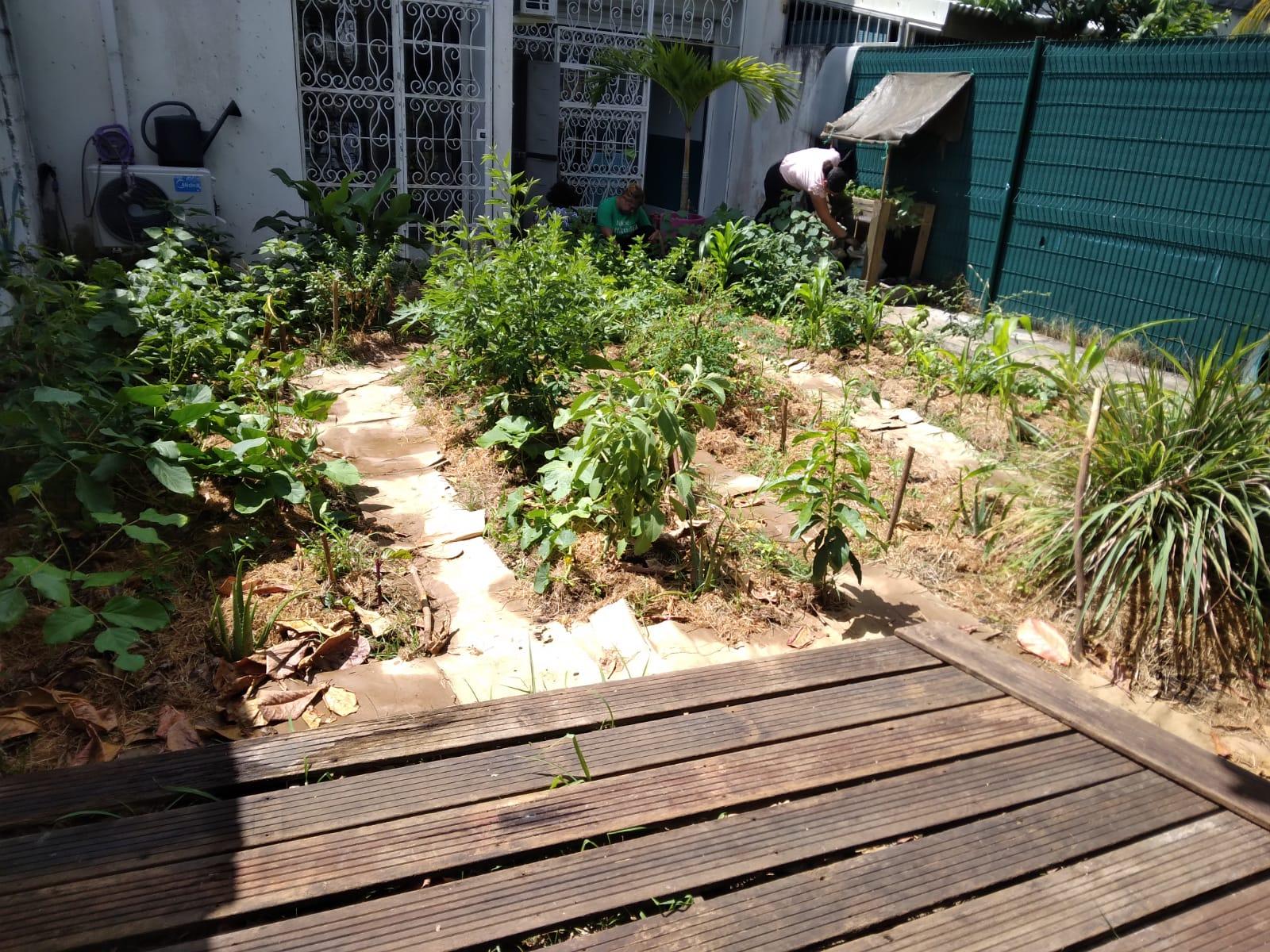
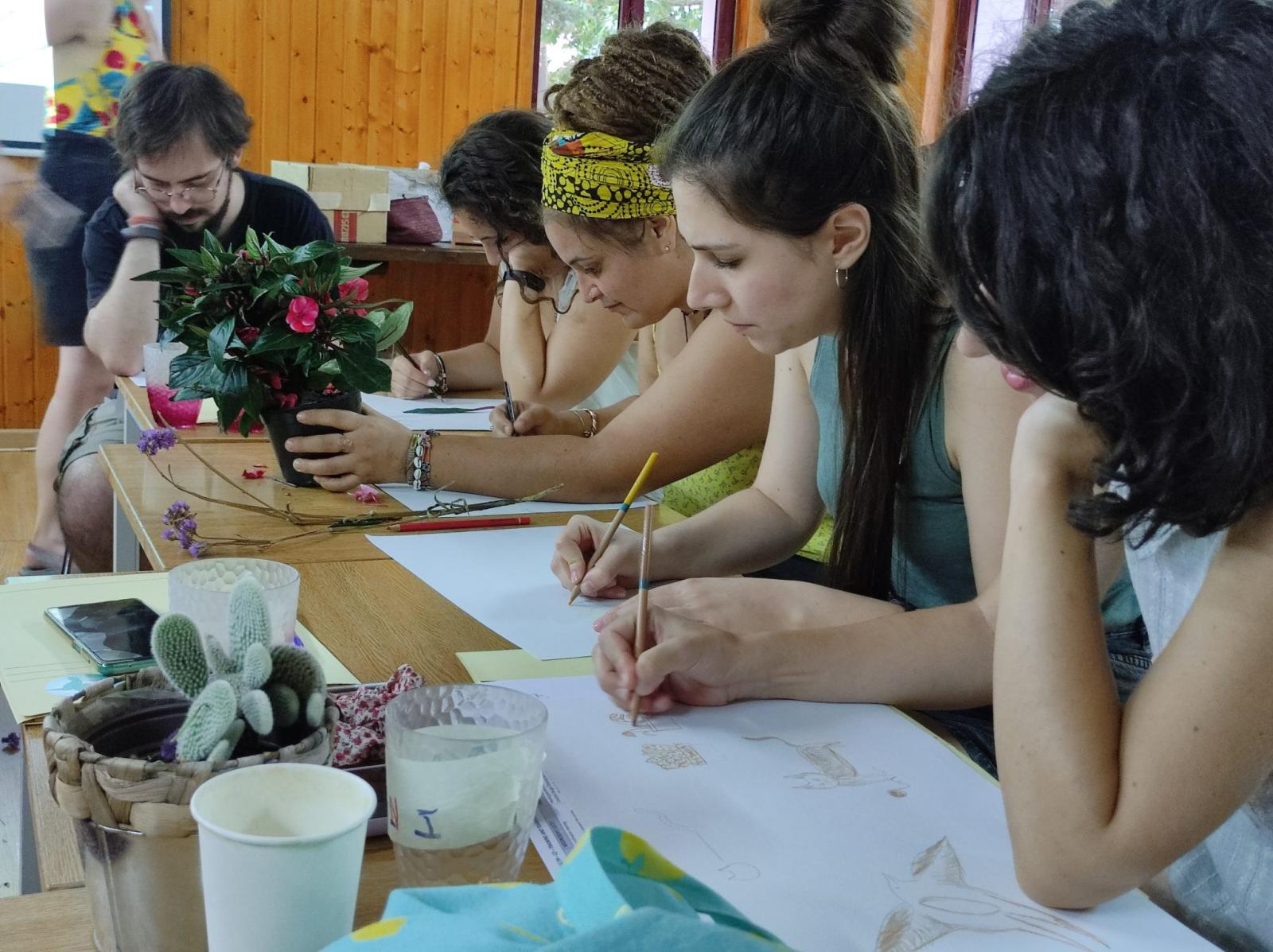
The socio-economic and gendered challenges faced by female migrants in Martinique were highlighted by the NGO D’Antilles et D’Ailleurs. The organization emphasized that Martinique continues to suffer the lasting effects of colonial and patriarchal violence, particularly affecting migrant women from Venezuela, Dominica, and Haiti. Many of these women find themselves in vulnerable situations, often engaged in sex work. To address these issues, D’Antilles et D’Ailleurs and the Red Cross of Martinique developed support services to help women transition out of prostitution, assisting with legal and bureaucratic processes. One notable initiative was the creation of a therapeutic garden, part of a broader European "Green Health" project supported by Erasmus Plus. The garden, designed to resemble a "Creole Garden," serves as a nature-based solution (NBS), providing a safe and culturally familiar space for healing, community-building, and skill development. Women can engage in gardening, participate in workshops, and learn practical skills such as making natural products, budgeting, and learning French. Additionally, the garden offers a space for emotional recovery, helping women navigate the challenges of rebuilding their lives while waiting for bureaucratic and legal decisions.(1, 2, 3)
Overview
Nature-based solution
- Community gardens and allotments
- Community gardens
Key challenges
- Green space, habitats and biodiversity (SDG 15)
- Green space creation and/or management
- Social justice, cohesion and equity (SDG 10)
- Social cohesion
- Social justice and equity
- Environmental education
- Sense of community and community engagement
Principal problems in Functional Urban Area (FUA)
- Health, Well-being and Social cohesion
- Mental health issues (stress, anxiety)
- Loss of sense of place and identity
- Social fragmentation and isolation
- Poor community engagement
Key priorities
Focus
Project objectives
Implementation activities
Specification of climate or environmentally vulnerable communities
Main beneficiaries
- Citizens or community groups
- Marginalized groups: Women
Governance
Management set-up
- Led by non-government actors
Type of initiating organisation
- Non-government organisation/civil society
Participatory approaches/ community involvement
- Dissemination of information and education
- Joint implementation (e.g. tree planting)
Details on the roles of the organisations involved in the project
Project implemented in response to ...
Type of enablers
Financing
Total cost
Source(s) of funding
- EU funds
Type of funding
- Direct funding (grants, subsidies, or self-financed projects by private entities)
Non-financial contribution
- Provision of land
- Provision of labour
- Citizens (e.g. volunteering)
- Private sector (businesses, financial institution)
Impacts and Monitoring
Environmental impacts
- Green space and habitat
- Increased green space area
- Achieved increased green space area
Economic impacts
- Unknown
Socio-cultural impacts
- Social justice and cohesion
- Improved social cohesion
- Achieved improved social cohesion
- Education
- Increased support for education and scientific research
- Achieved increased support for education and scientific research
- Increased awareness of NBS and their benefits
- Achieved increased awareness of NBS and their benefits
Type of reported impacts
Presence of formal monitoring system
Presence of indicators used in reporting
Presence of monitoring/ evaluation reports
Availability of a web-based monitoring tool
Potential risks of implementation and trade-offs
References
 Information about this nature-based solution was collected as part of the Naturescapes project funded by the European Union under Grant Agreement No 101084341.