

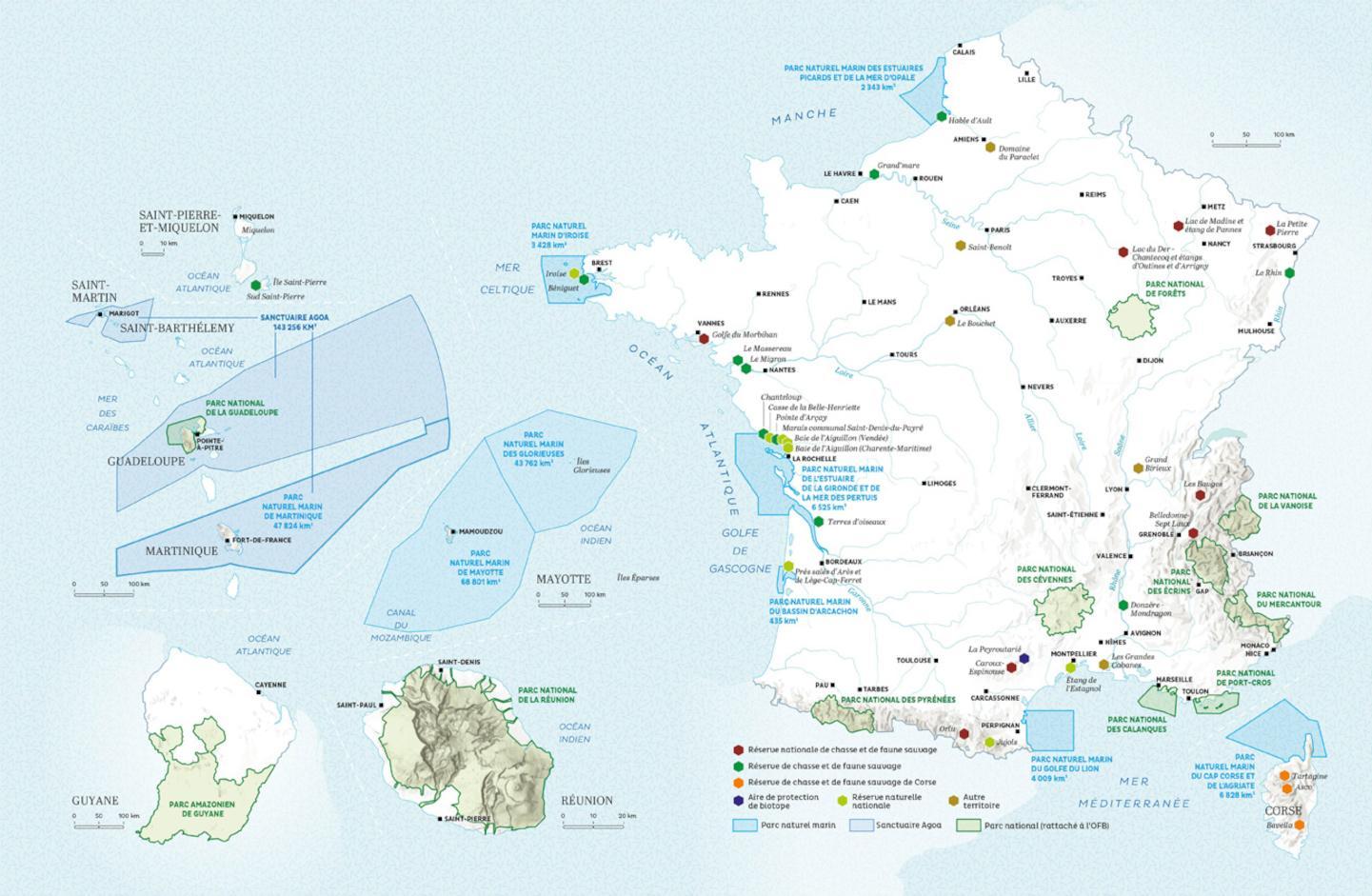
The creation of the AGOA Sanctuary was first envisioned in 2006, officially established in 2010, and continues to evolve as a vital initiative for marine conservation. Located in the waters of the French Antilles, the sanctuary encompasses the entire Exclusive Economic Zone of Martinique, Guadeloupe, Saint-Martin, and Saint-Barthélemy. Spanning 143,256 square kilometers, it is the second-largest marine protected area in France, just behind the Coral Sea Natural Park in New Caledonia. AGOA was established to ensure a favorable conservation status for marine mammals, aiming to protect both the species and their habitats through a combination of direct and indirect actions. The sanctuary’s long-term strategy is grounded in five core principles: reducing harmful interactions between human activities and marine mammals; enhancing scientific understanding of these species, their habitats, and the pressures they face; increasing public awareness and disseminating knowledge about the sanctuary; strengthening collaboration with governmental agencies for effective surveillance and enforcement; and fostering regional cooperation with Caribbean nations under the Cartagena Convention and its SPAW Protocol. Together, these guiding principles reflect AGOA’s commitment to sustainable stewardship of marine biodiversity in the French Antilles, creating a lasting sanctuary for marine mammals in the Caribbean. (1, 2, 3)
Overview
Nature-based solution
- Blue infrastructure
- Other
Key challenges
- Coastal resilience and marine protection (SDG 14)
- Marine and coastal biodiversity protection
- Marine and coastal research and/or education
- Environmental quality
- Noise reduction
- Green space, habitats and biodiversity (SDG 15)
- Habitat and biodiversity restoration
- Habitat and biodiversity conservation
- Social justice, cohesion and equity (SDG 10)
- Environmental education
Principal problems in Functional Urban Area (FUA)
- Climate-Related Hazards
- Degradation of carbon sinks
- Environmental Degradation
- Biodiversity loss
- Resource Scarcity and Competition
- Human-wildlife conflicts
Key priorities
Focus
Project objectives
Implementation activities
Biodiversity conservation or restoration-focused activities
Biodiversity conservation:
- Protect and enhance urban habitats
- Preserve and strengthen existing habitats and ecosystems
- Preserve and strengthen habitat connectivity
- Reduce negative impacts and avoid the alteration/damage of ecosystem
- Protect species
- Undertake specific measures to protect species
- Undertake specific measures to protect native species
- Means for conservation governance
- Biodiversity offsets
- Raise public awareness
- Public engagement
- Create and use scientific knowledge for conservation
Biodiversity restoration:
- Rehabilitate and restore damaged or destroyed ecosystems
- Restore species (native, endangered, or unspecified)
- Restore native species
- Restore valued species
- Restore endangered species
- Restore ecological connectivity
- Public engagement
Main beneficiaries
- National-level government
- Local government/Municipality
- Researchers/University
- Coastal-dependent communities (e.g. small-scale fishers, coastal farmers, and indigenous peoples)
Governance
Management set-up
- Co-governance with government and non-government actors
Type of initiating organisation
- National government
- Public sector institution
- Private sector/corporate actor/company
Participatory approaches/ community involvement
- Co-planning (e.g. stakeholder workshops, focus groups, participatory mapping)
- Taskforce groups
- Dissemination of information and education
- Joint implementation (e.g. tree planting)
Details on the roles of the organisations involved in the project
Project implemented in response to ...
Type of enablers
Financing
Total cost
Source(s) of funding
- Public national budget
Type of funding
- Direct funding (grants, subsidies, or self-financed projects by private entities)
Non-financial contribution
Impacts and Monitoring
Environmental impacts
- Green space and habitat
- Reduced biodiversity loss
- Expected reduced biodiversity loss
- Increased protection of threatened species
- Expected increased protection of threatened species
- Reduced human-wildlife conflicts
- Expected reduced human-wildlife conflicts
Economic impacts
- Unknown
Socio-cultural impacts
- Education
- Increased support for education and scientific research
- Achieved increased support for education and scientific research
- Increased knowledge of locals about local nature
- Expected increased knowledge of locals about local nature
Type of reported impacts
Presence of formal monitoring system
Presence of indicators used in reporting
Presence of monitoring/ evaluation reports
Availability of a web-based monitoring tool
Potential risks of implementation and trade-offs
References


 Information about this nature-based solution was collected as part of the Naturescapes project funded by the European Union under Grant Agreement No 101084341.