

Last updated: October 2021
Situated on an area of 52 acres, Father Collins Park incorporates many sustainability-focused features and has won a number of awards. Over 1200 trees and 2000 native saplings were planted to help integrate the existing woodland, maximise biodiversity, and vastly increase the ecological value of the park. Also, wetland areas were created to filter and clean the water in the park as part of a recycling system that replenishes and helps clean the lake and water features. The wetland areas mimic the characteristics of natural wetlands and create a special ecosystem that encourages greater biodiversity in the park. (Ref. 1)
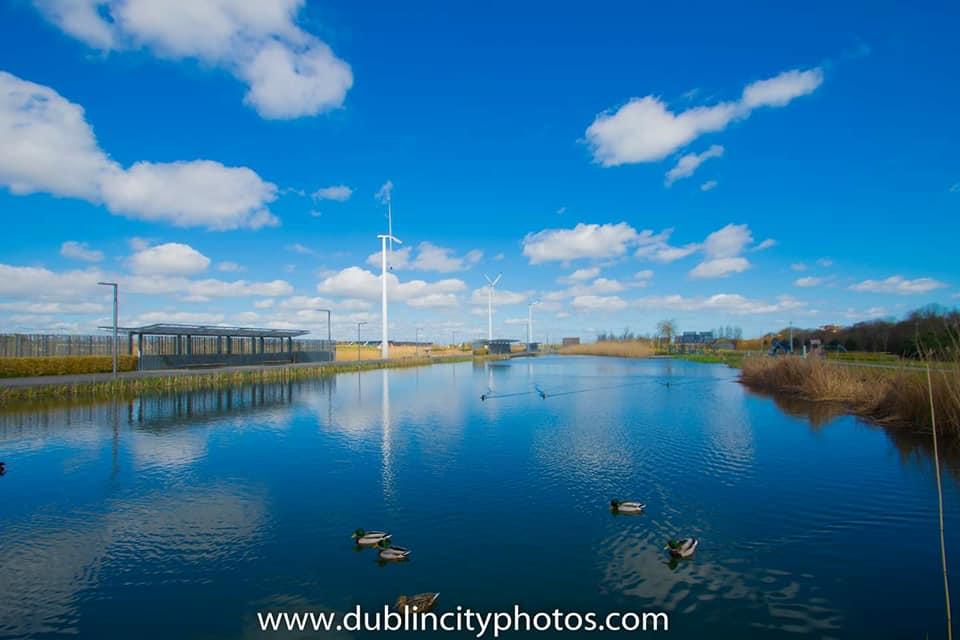
Father Collins Park
Dublin City Photos (2018), retrieved 08/10/2018
Overview
Nature-based solution
- Parks and urban forests
- Large urban parks or forests
- Blue infrastructure
- Coastal wetland, mangroves and salt marshes
- Green areas for water management
- Sustainable urban drainage systems
Key challenges
- Water management (SDG 6)
- Stormwater and rainfall management and storage
- Improvements to water quality
- Green space, habitats and biodiversity (SDG 15)
- Habitat and biodiversity restoration
- Green space creation and/or management
- Health and well-being (SDG 3)
- Enabling opportunities for physical activity
- Creation of opportunities for recreation
Focus
Creation of new green areas, Management and improved protection of rivers and other blue areas
Project objectives
1. Provide a place for both active and passive recreation for the community (Ref. 1);
2. Create a sustainable park that emphasizes the importance of sustainability (Ref. 2; Ref. 4);
3. Help integrate the existing woodland, maximise biodiversity, and vastly increase the ecological value of the park (Ref. 1);
4. Create wetland areas to filter and clean the water in the park as part of a recycling system (Ref. 1).
Implementation activities
- Installation of five 50 kW wind turbines;
- Over 1200 trees and 2000 native saplings were planted to help integrate the existing woodland, maximise biodiversity, and vastly increase the ecological value of the park.
- Wetland areas were created to filter and clean the water in the park as part of a recycling system that replenishes and helps clean the lake and water features. The wetland areas mimic the characteristics of natural wetlands and create a special ecosystem that encourages greater biodiversity in the park.
- One of the last additions to the park was a sculpture piece by the artist Alan Phelan which represents an inverted oil rig, representing a returning of oil to the ground.
- Sports, leisure, and recreational facilities were built (Ref. 1; Ref. 2)
Biodiversity conservation or restoration-focused activities
Biodiversity restoration:
- Restore species (native, endangered, or unspecified)
- Restore native species
- Public engagement
Main beneficiaries
- Citizens or community groups
Governance
Management set-up
- Government-led
Type of initiating organisation
- Local government/municipality
Participatory approaches/ community involvement
- Dissemination of information and education
- Citizen monitoring and review
Details on the roles of the organisations involved in the project
Argentinian designers from MCO Projects Ltd.'s Argentinian partner firm Ar.Arq.Ireland won the 2007 Dublin City Council design competition for the park. The park was designed by Ar.Arq.Ireland in collaboration with the Dublin Parks & Landscape Services Division. Liffey Developments carried out the construction works.
(Ref. 1; Ref. 2; Ref. 5; Ref. 7)
Project implemented in response to ...
... an EU policy or strategy?
Unknown
... a national policy or strategy?
Unknown
... a local policy or strategy?
Yes
(Action Area Plan for The North Fringe:
The park is located in an area of Dublin called The North Fringe. Dublin City Council's vision for The North Fringe area, presented in an Action Area Plan in 2000, was to provide for sustainable development through the early delivery of infrastructure, in order to serve the expanding residential community. Father Collins Park forms the heart of the vision for the area. (Ref. 1))
Financing
Total cost
More than €4,000,000
Source(s) of funding
- Public local authority budget
Type of funding
- Earmarked public budget
Non-financial contribution
Unknown
Impacts and Monitoring
Environmental impacts
- Climate change
- Reduced emissions
- Water management and blue areas
- Improved water quality
- Green space and habitat
- Increased green space area
- Reduced biodiversity loss
- Increased number of species present
- Restoration of derelict areas
Economic impacts
- Other
Socio-cultural impacts
- Social justice and cohesion
- Improved access to urban green space
- Increased opportunities for social interaction
- Health and wellbeing
- Improved physical health
- Gain in activities for recreation and exercise
Type of reported impacts
Achieved impacts
Presence of formal monitoring system
Unknown
Presence of indicators used in reporting
No evidence in public records
Presence of monitoring/ evaluation reports
No evidence in public records
Availability of a web-based monitoring tool
No evidence in public records
References
Ref. 1. Dublin City Council (2017). Father Collins Park. [pdf] available at: Source link (accessed 9th September 2020).
Ref. 2. Dublin City Council (2017). Fr. Collins Park. [online] available at: Source link (accessed 9th September 2020).
Ref. 3. Dublin City Council (2017). Fr. Collins Park. [online] available at: Source link (accessed 9th September 2020.
Ref. 4. Dublin City Council (2017). Sustainability. [online] available at: Source link (accessed 9th September 2020).
Ref. 5. Holy Trinity Parish (2017). Father Collins Park. [online] available at: Source link (accessed 9th September 2020).
Ref. 6. MCO Projects Ltd. (2017). FATHER COLLINS PARK. [online] available at: Source link (accessed 9th September 2020).
Ref. 7. GOKU (no date). Father Collins Park. [online] available at: Source link (accessed 9th September 2020).
Ref. 2. Dublin City Council (2017). Fr. Collins Park. [online] available at: Source link (accessed 9th September 2020).
Ref. 3. Dublin City Council (2017). Fr. Collins Park. [online] available at: Source link (accessed 9th September 2020.
Ref. 4. Dublin City Council (2017). Sustainability. [online] available at: Source link (accessed 9th September 2020).
Ref. 5. Holy Trinity Parish (2017). Father Collins Park. [online] available at: Source link (accessed 9th September 2020).
Ref. 6. MCO Projects Ltd. (2017). FATHER COLLINS PARK. [online] available at: Source link (accessed 9th September 2020).
Ref. 7. GOKU (no date). Father Collins Park. [online] available at: Source link (accessed 9th September 2020).
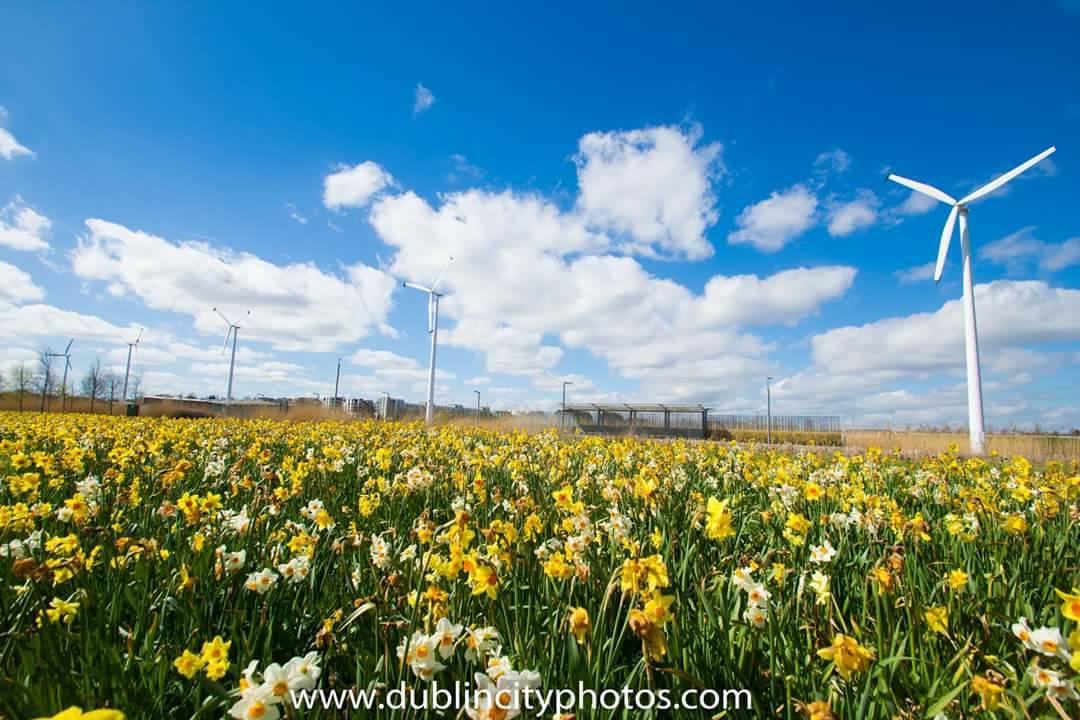
Father Collins Park
Dublin City Photos (2018), retrieved 08/10/2018
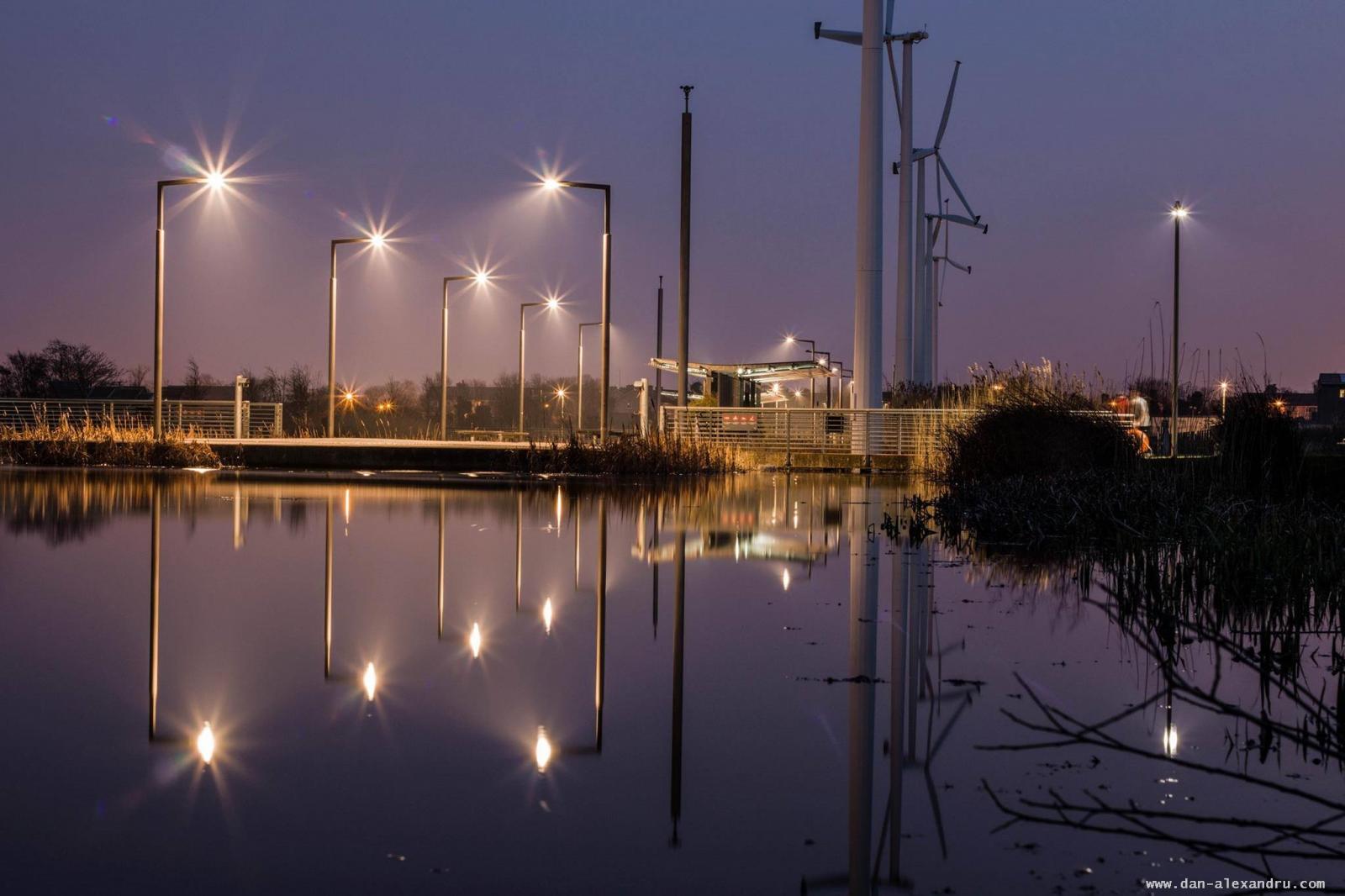
Father Collins Park
Photographer: Dan Alexandru (2015), retrieved 08/10/2018
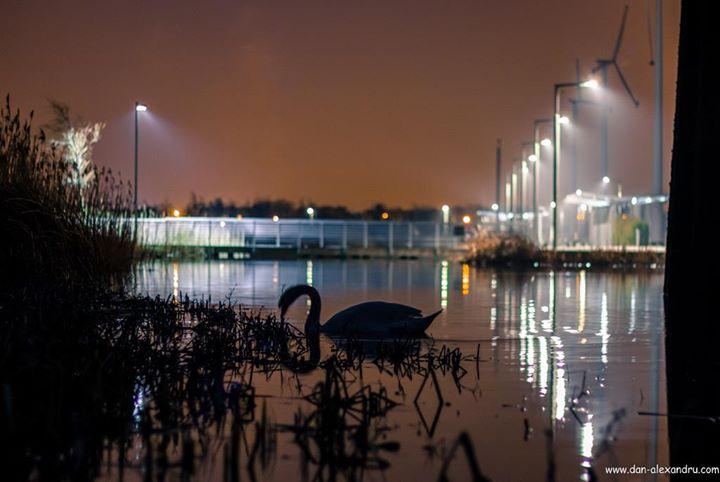
Father Collins Park
Photographer: Dan Alexandru (2015), retrieved 08/10/2018