

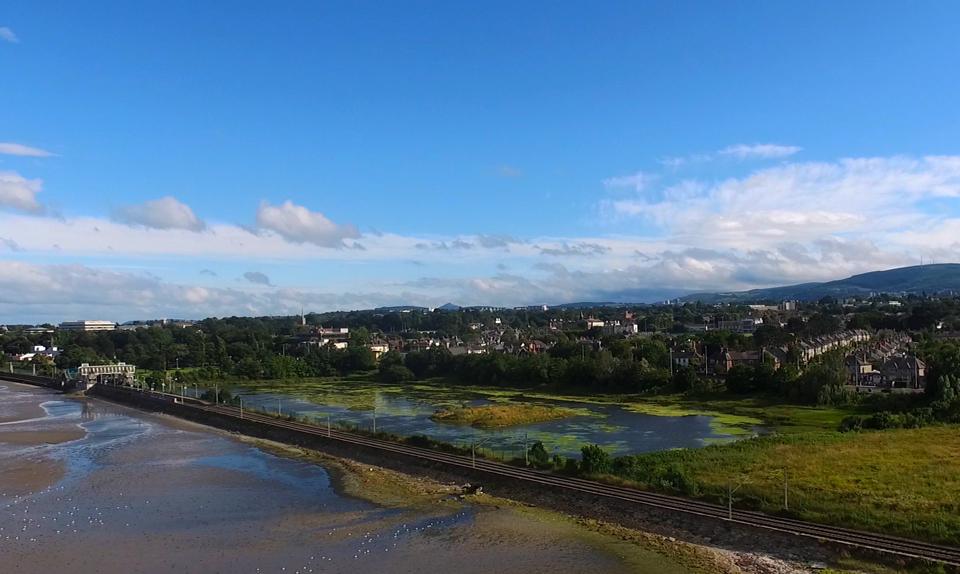
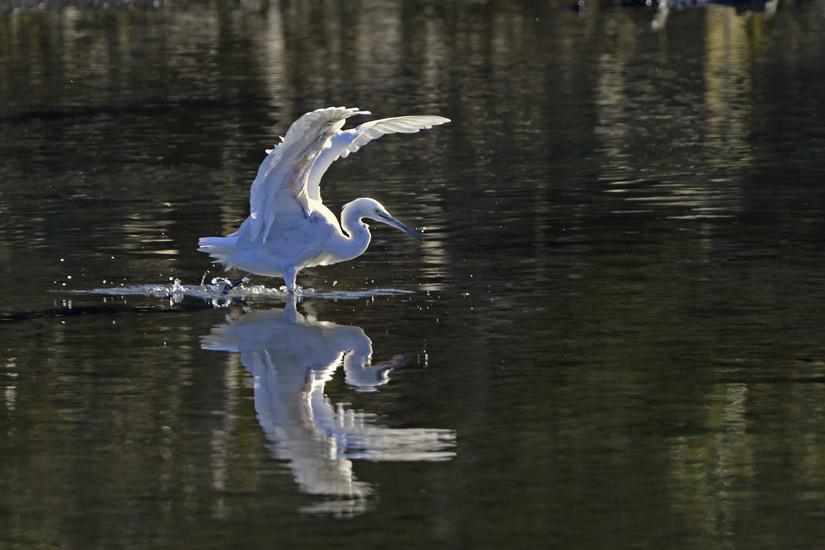
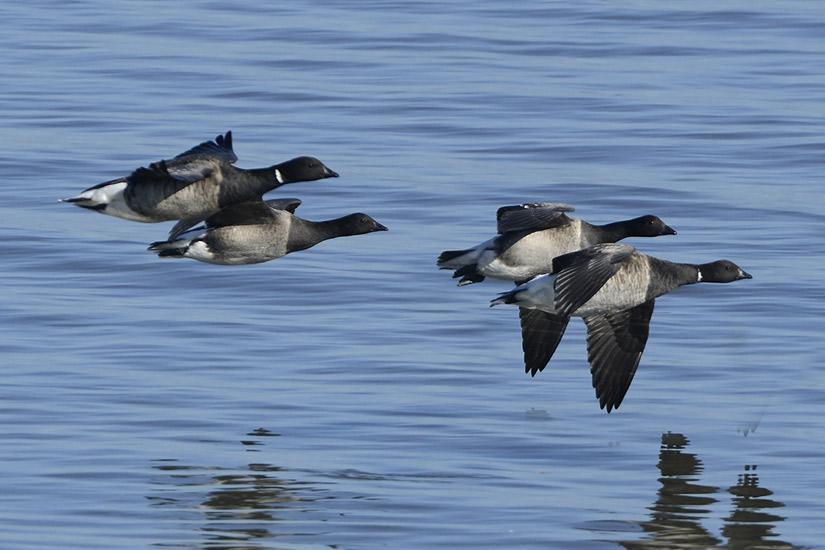
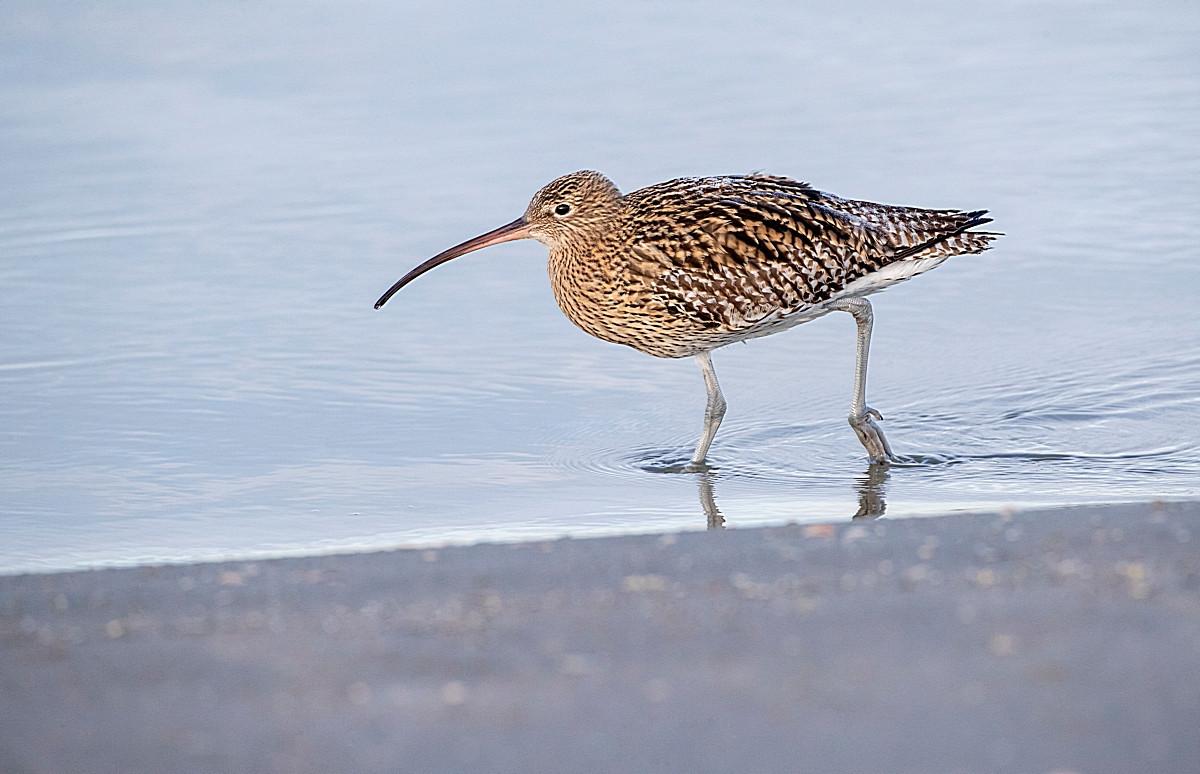
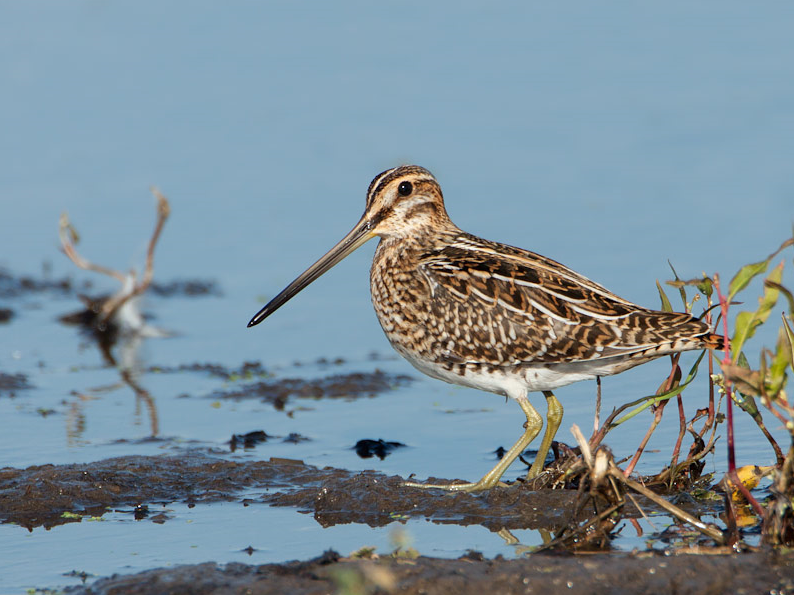
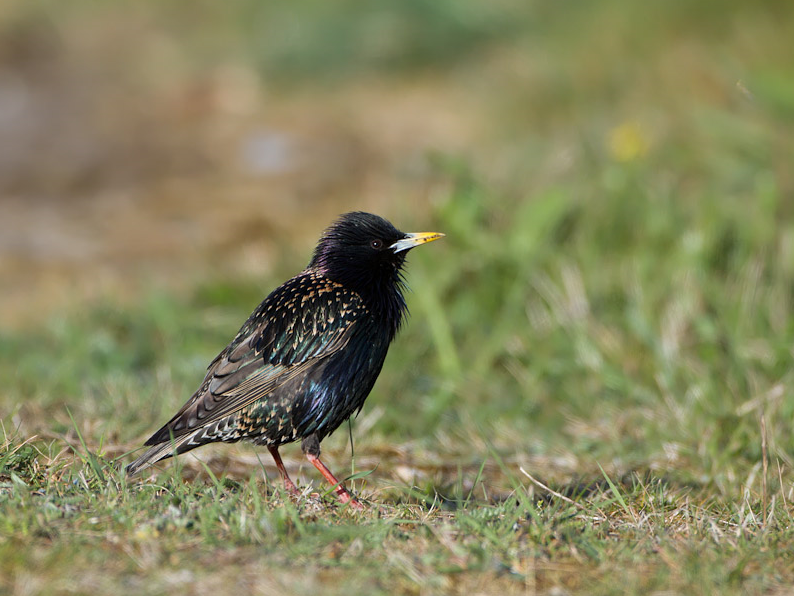
Booterstown Marsh, the only remaining saltmarsh on the south shore of Dublin Bay, plays a crucial role in the Dublin Bay Protection Plan. As part of South Dublin Bay's protected landscape, this unique 4.3-hectare brackish water marsh provides vital environmental and educational value within an urban setting. It supports three key habitats, ranging from freshwater to saltwater, creating essential feeding and roosting grounds for an array of migratory birds. The marsh attracts numerous bird species, including Moorhen, Reed Bunting, Sedge Warbler, Teal, Snipe, Lapwing, Oystercatcher, Redshank, Dunlin, and Brent Geese, establishing it as the only bird sanctuary in South Dublin Bay. Booterstown Marsh’s ecological significance is underscored by its inclusion in the Dún Laoghaire-Rathdown County Council’s Biodiversity Action Plan 2021-2025: Nature Recovery, Restoration & Reconnection. Managed by the Biodiversity Section of the council, this initiative focuses on protecting and enhancing Booterstown Marsh as part of a broader effort to restore natural habitats across the area. The council’s project addresses key factors in biodiversity loss—such as land use pressures, climate change, and invasive species—by implementing an annual monitoring program to prevent deterioration of critical EU Annex habitats and species. An Taisce, a local NGO has managed the marsh reserve since the 1970s, dedicating efforts to conservation and public education. This habitat, along with other local ecosystems like the wetlands at Ballycorus and woodlands at Loughlinstown, serves as an essential natural defense against climate change, removing carbon dioxide from the atmosphere and helping stabilize local landscapes by slowing floodwaters in catchment areas.(1-6)
Overview
Nature-based solution
- Blue infrastructure
- Coastal wetland, mangroves and salt marshes
Key challenges
- Climate action for adaptation, resilience and mitigation (SDG 13)
- Climate change adaptation
- Climate change mitigation
- Environmental quality
- Soil quality improvement
- Green space, habitats and biodiversity (SDG 15)
- Habitat and biodiversity conservation
- Water management (SDG 6)
- Flood protection
- Social justice, cohesion and equity (SDG 10)
- Environmental education
Principal problems in Functional Urban Area (FUA)
- Environmental Degradation
- Biodiversity loss
- Invasive alien species
- Land use and Socio-economic change
- Rapid urbanization
- Resource Scarcity and Competition
- Over-exploitation of natural resources (water resources, overgrazing, fisheries, mangroves, fore products)
Key priorities
Focus
Project objectives
Implementation activities
Climate-focused activities
Climate change adaptation:
- Implement measures that prevent/manage desertification, soil erosion and landslides
- Restore mangroves, marshes, reefs and wetlands to dissipate the effects of storms and floodwaters
Climate change mitigation:
- Protect and restore coastal wetlands, mangroves and salt marshes, aiming at sequestering carbon dioxide and storing it in their soils
- Raise public awareness of behaviours, lifestyle and cultural changes with mitigation potential
Biodiversity conservation or restoration-focused activities
Biodiversity conservation:
- Protect and enhance urban habitats
- Preserve and strengthen existing habitats and ecosystems
- Reduce negative impacts and avoid the alteration/damage of ecosystem
- Protect species
- Undertake specific measures to protect species
- Control and clean invasive alien species
- Means for conservation governance
- Biodiversity offsets
- Raise public awareness
- Capacity building
Main beneficiaries
- Non-government organisation/Civil Society
- Citizens or community groups
Governance
Management set-up
- Co-governance with government and non-government actors
Type of initiating organisation
- Non-government organisation/civil society
Participatory approaches/ community involvement
- Dissemination of information and education
- Joint implementation (e.g. tree planting)
- Co-management/Joint management
Details on the roles of the organisations involved in the project
Project implemented in response to ...
Type of enablers
Financing
Total cost
Source(s) of funding
- Public local authority budget
Type of funding
- Earmarked public budget
Non-financial contribution
- Provision of labour
- Citizens (e.g. volunteering)
Impacts and Monitoring
Environmental impacts
- Climate change
- Enhanced carbon sequestration
- Expected enhanced carbon sequestration
- Environmental quality
- Improved stability of slopes
- Expected improved stability of slopes
- Water management and blue areas
- Increased protection against flooding
- Expected increased protection against flooding
- Enhanced protection and restoration of coastal and marine ecosystems
- Expected enhanced protection and restoration of coastal and marine ecosystems
- Green space and habitat
- Reduced biodiversity loss
- Expected reduced biodiversity loss
- Increased number of species present
- Expected increased number of species present
Economic impacts
Socio-cultural impacts
- Cultural heritage and sense of place
- Protection of natural heritage
- Expected protection of natural heritage
- Education
- Increased knowledge of locals about local nature
- Expected increased knowledge of locals about local nature
Type of reported impacts
Presence of formal monitoring system
Presence of indicators used in reporting
Presence of monitoring/ evaluation reports
Availability of a web-based monitoring tool
Potential risks of implementation and trade-offs
References
 Information about this nature-based solution was collected as part of the Naturescapes project funded by the European Union under Grant Agreement No 101084341.