Last updated: November 2024
Ballymun is a suburban area on the north side of Dublin, Ireland. Originally developed in the 1960s, Ballymun was built to address Dublin’s post-war housing shortages, with iconic high-rise towers and flat complexes. However, over the years, the area faced social and economic challenges, leading to a reputation for issues such as poverty, unemployment, and lack of services.
In response, the Irish government launched the Ballymun Regeneration Project in the late 1990s. As part of the Ballymun Regeneration, Poppintree Park has been transformed into a 45-acre public space at the heart of Ireland’s celebrated urban renewal project in Ballymun Town Centre. This redevelopment followed an extensive public consultation process, incorporating input from local residents, sports clubs, community groups, and youth organizations.
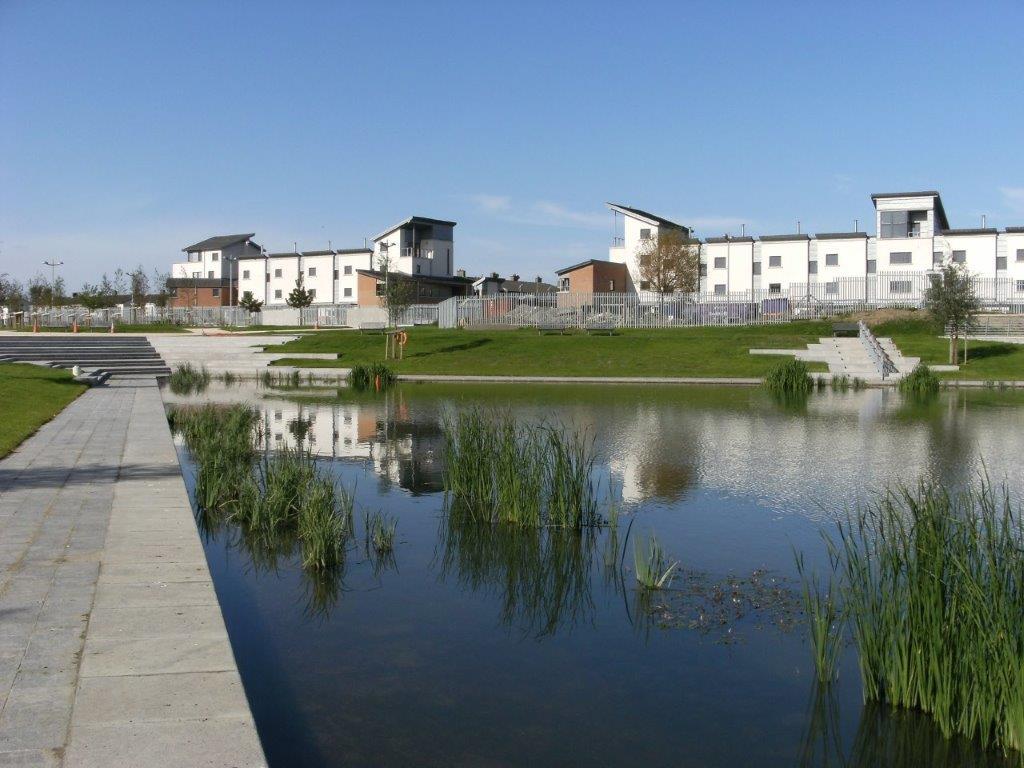
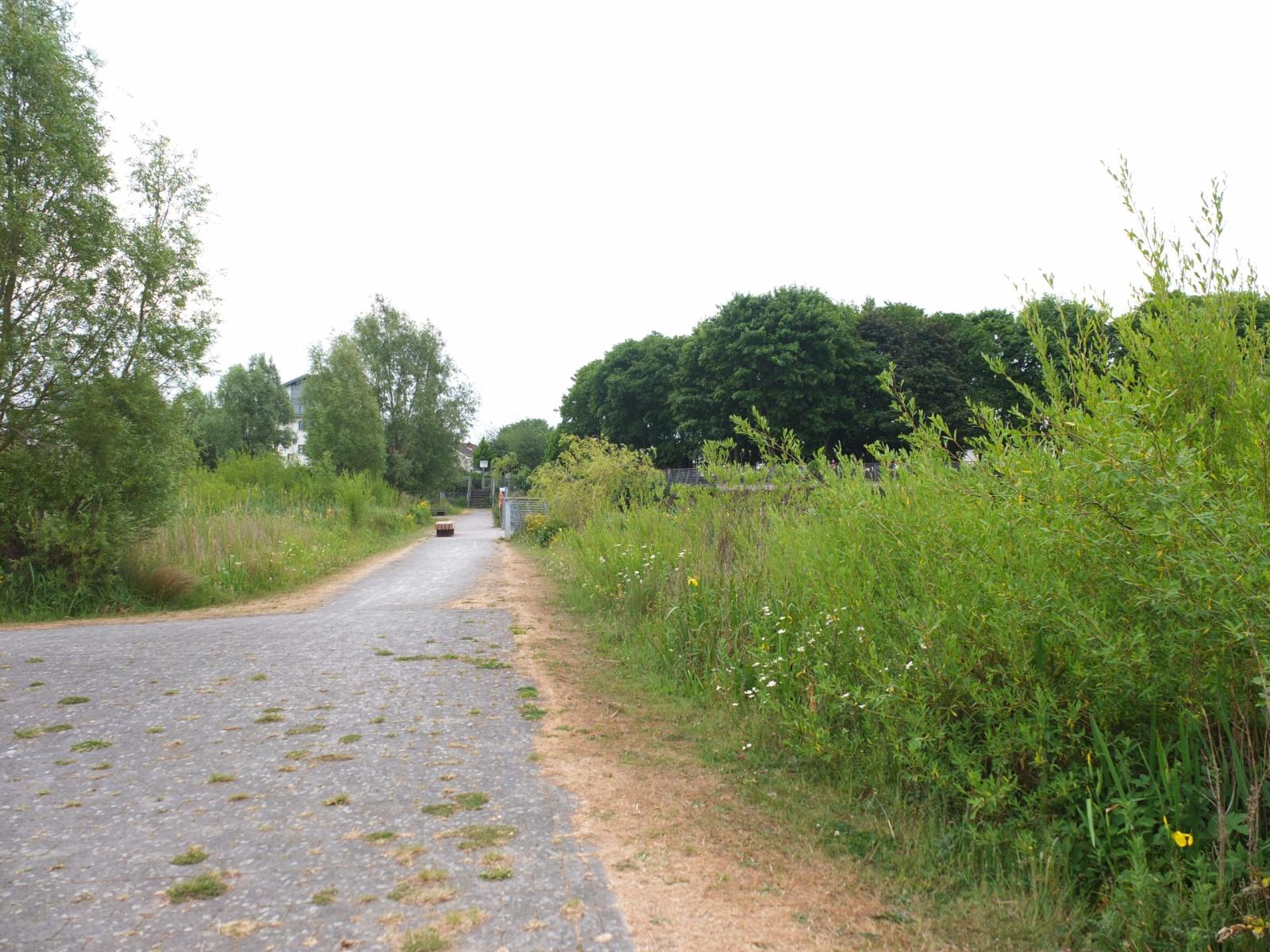
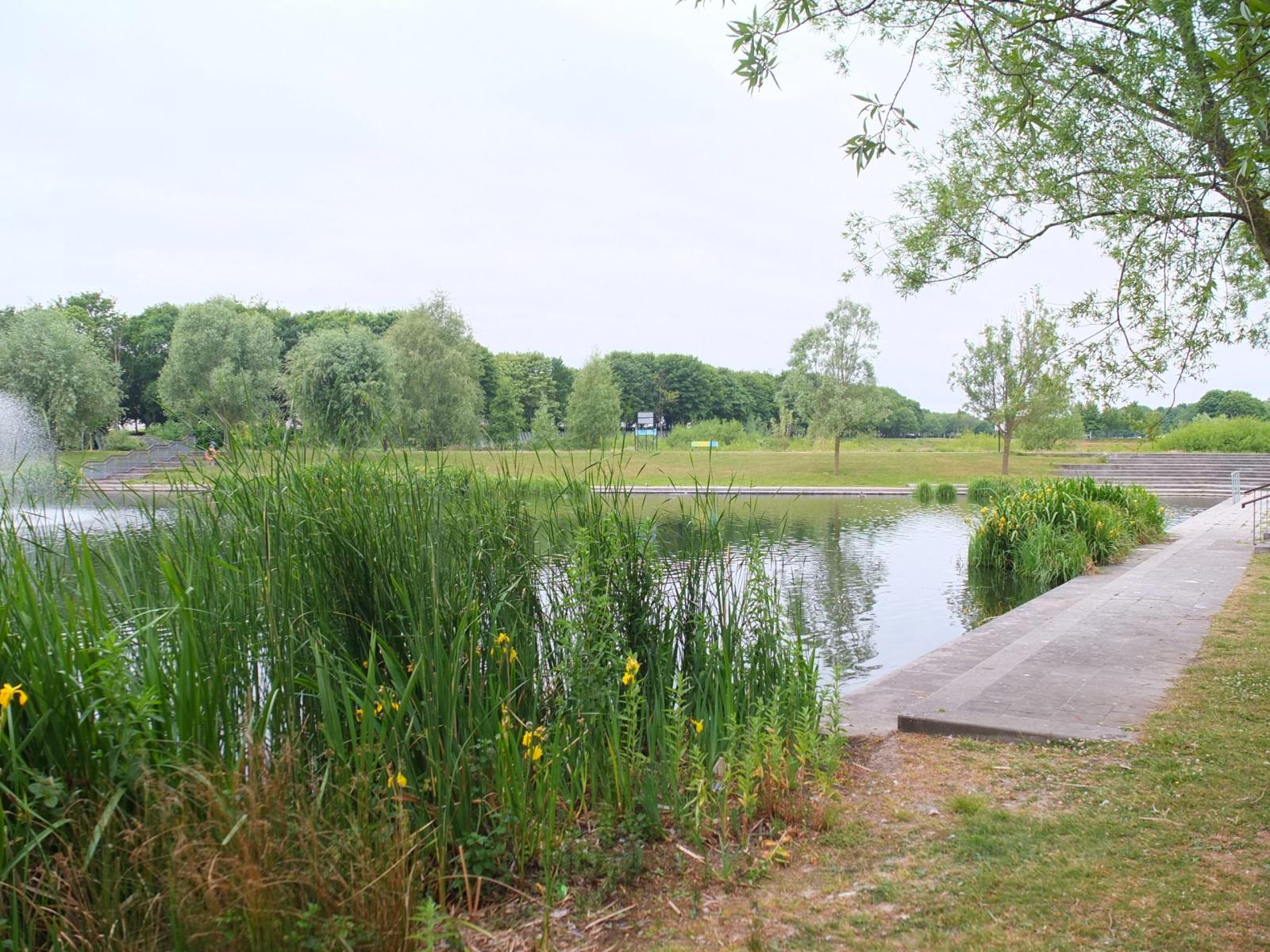
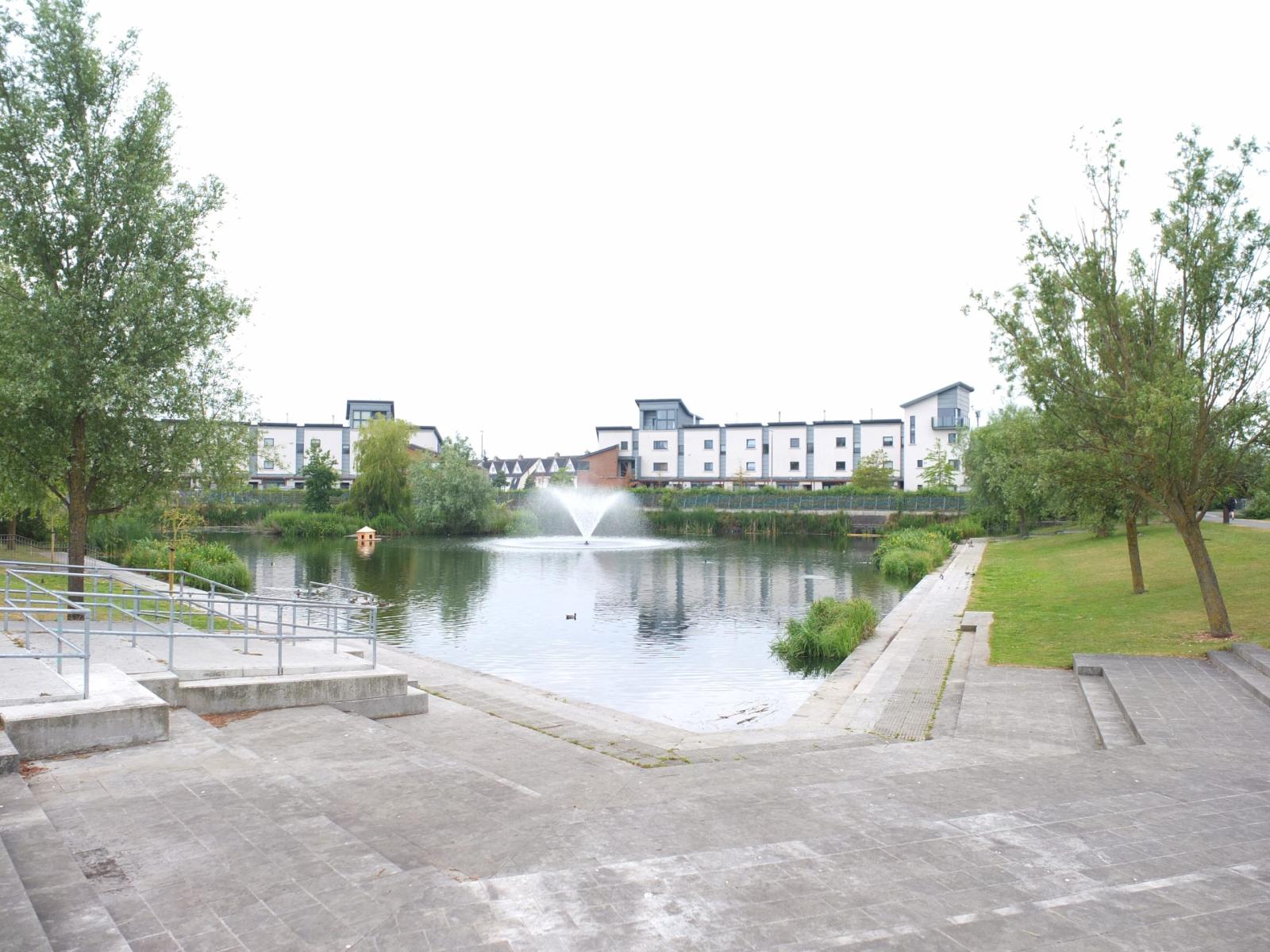
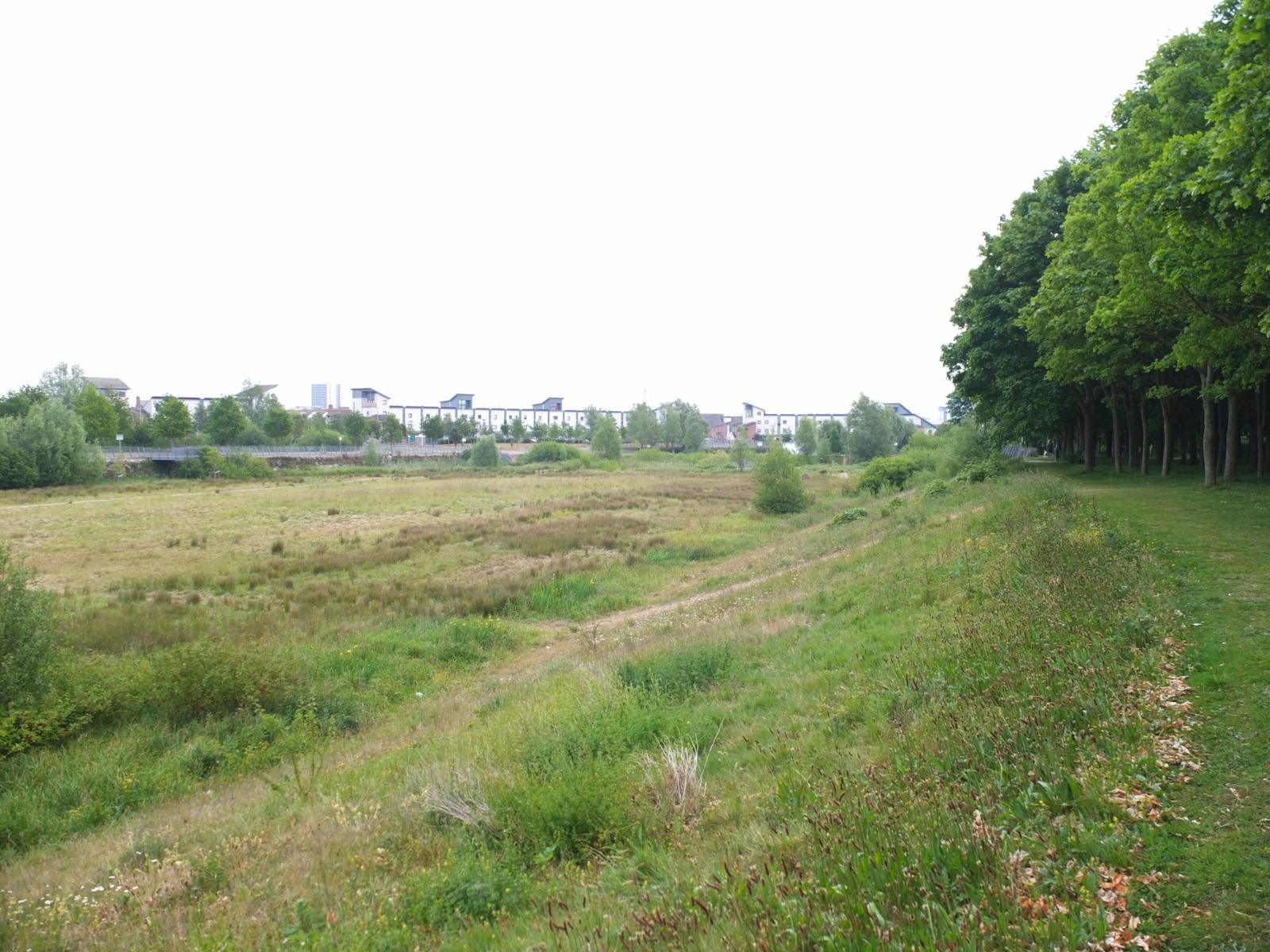
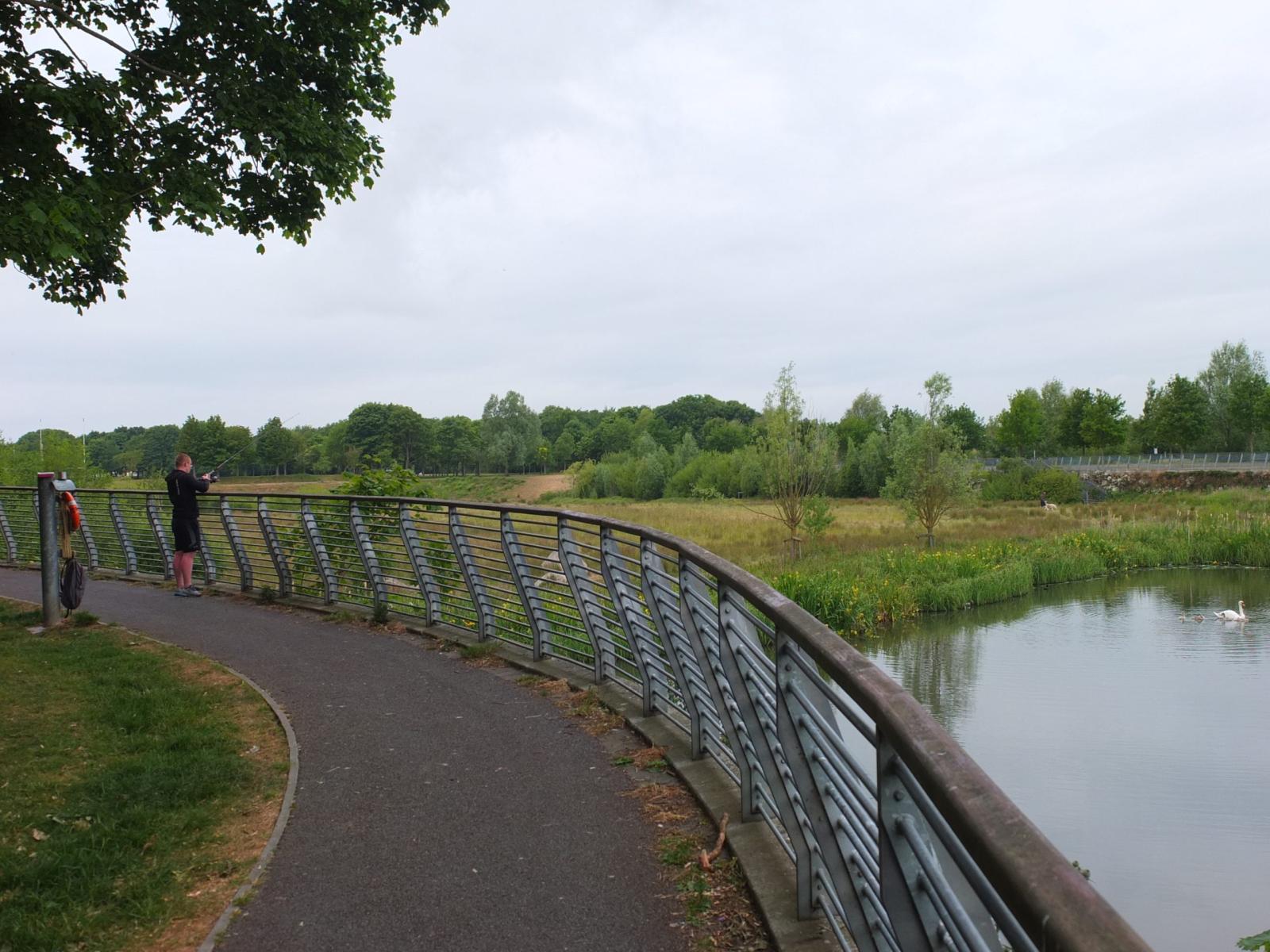
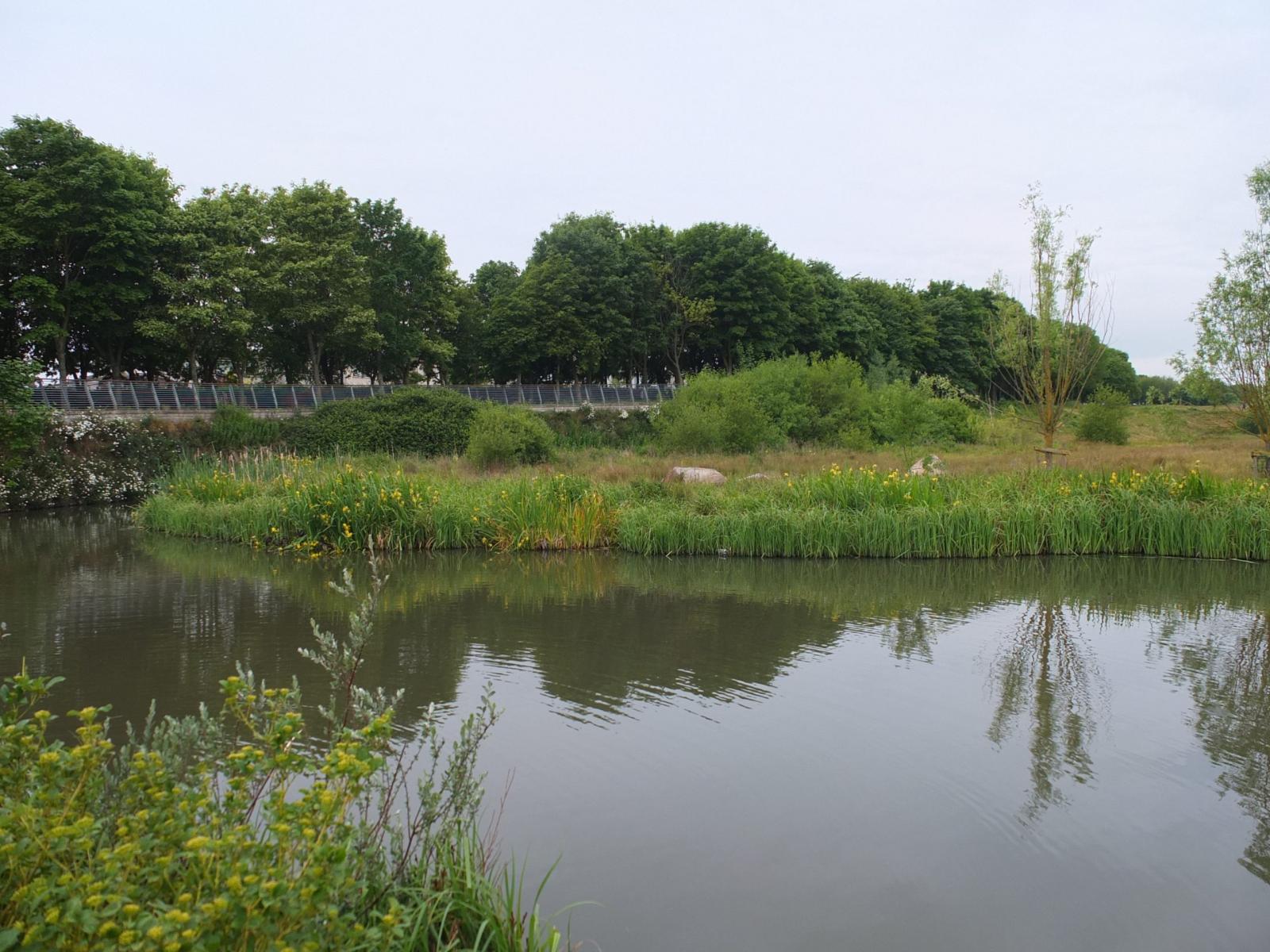
Poppintree Park now offers a range of upgraded amenities, including a Tree Trail featuring 15 native tree species, enhanced biodiversity, extensive wetlands, sustainable drainage systems, and spaces for passive and active recreation. The park also features a 1.25-acre playground for children aged 0-12, an amphitheater with a permanent pond, and a fully accessible pathway network with abundant seating and viewing areas. Over 50,000 plants have been added to enhance the park’s natural beauty.
The park’s transformation, led by Ballymun Regeneration Ltd., involved significant engineering and landscaping efforts. Mitchell + Associates provided the detailed landscape design, construction drawings, and supervised the landscape works.
Completed in 2010, Phase 1 of Poppintree Park’s redevelopment represents an investment exceeding €6 million. The project includes substantial earthworks, drainage systems, gabion walls, three limestone-paved entrance plazas, structural retaining walls, a cantilevered pond walkway, diverse path surfaces, and high-quality playground construction. (1-7, 10)
Wetland at Poppintree Park
Ref. 2
Overview
Nature-based solution
- Blue infrastructure
- Lakes/ponds
- In-land wetlands, peatlands, swamps, and moors
- Green areas for water management
- Rain gardens
- Sustainable urban drainage systems
- Parks and urban forests
- Large urban parks or forests
Key challenges
- Climate action for adaptation, resilience and mitigation (SDG 13)
- Climate change adaptation
- Green space, habitats and biodiversity (SDG 15)
- Habitat and biodiversity restoration
- Water management (SDG 6)
- Flood protection
- Stormwater and rainfall management and storage
- Health and well-being (SDG 3)
- Creation of opportunities for recreation
- Inclusive and effective governance (SDG 16)
- Inclusive governance
- Social justice, cohesion and equity (SDG 10)
- Social justice and equity
Principal problems in Functional Urban Area (FUA)
- Climate-Related Hazards
- Urban flooding (stormwater)
- Resource Scarcity and Competition
- Water stress (increased demand)
Key priorities
Climate action (adaptation and/or mitigation), Biodiversity (conservation and/or restoration)
Focus
Maintenance and management of urban nature, Maintenance or upgrade of exisiting green spaces (e.g. parks), Updated management structure of existing green spaces (e.g. parks), Creation of semi-natural blue areas, Creation of lakes or ponds, Implementation of green areas for water management (e.g. rain gardens), Creation of artificial wetlands, Protection of natural ecosystems, Protecton and enhancement of wetlands (other types than peatlands and mangroves, e.g. seagrass), Habitat restoration
Project objectives
To reduce flood risk (caused by severe storms combined with global and local climate change effects and rapid high-density development in river catchments) through retention and detention areas in line with the EU Floods Directive and the City Development Plan.
To manage stormwater effectively and minimize the impact of surface water runoff.
To enhance recreational facilities with a focus on universal accessibility.
To promote and increase biodiversity across the site through introduction of native species
To involve the local community in decision making processes (2,7)
Implementation activities
Poppintree Park is situated within the zone for the biggest urban regeneration scheme at the time in Europe – Ballymun. The redevelopment aimed to create low-density housing for residents of Ballymun’s tower blocks, requiring additional land from Poppintree Park. This expansion raised stormwater management issues, as local drainage feeds into the River Tolka, which is prone to flooding. To mitigate this, part of Poppintree Park was redesigned to include wetlands and stormwater storage, featuring a retention pond, detention ponds, and a multi-use basin to manage excess water during storms. A trail highlighting 15 native tree varieties was created, and over 50,000 plants were added (2). Various wetlands were installed, including a permanent retention pond, two detention ponds, and a large basin. The large basin, initially designed for recreational use, was adapted to function as an additional stormwater detention area(7). A rain garden was added, using natural plantings to absorb and filter runoff, aligning with SuDS principles to reduce environmental impacts (4). A 1.25-acre playground for children, an amphitheatre, and a completely accessible pathway network were built to promote passive and active recreation (2). The park's redevelopment involved extensive public consultation with local residents, sports clubs, and community groups (7). The new park opened in 2010. It won a Local Authority Management Award in 2011 and received a Green Flag in 2015. (7)
Climate-focused activities
Climate change adaptation:
- Implement sustainable urban drainage schemes to manage stormwater
- Restore rivers and other fresh water bodies to reduce flood or drought risk
Biodiversity conservation or restoration-focused activities
Biodiversity restoration:
Main beneficiaries
- Citizens or community groups
- Young people and children
Governance
Management set-up
- Co-governance with government and non-government actors
Type of initiating organisation
- Local government/municipality
Participatory approaches/ community involvement
- Co-planning (e.g. stakeholder workshops, focus groups, participatory mapping)
- Consultation (e.g. workshop, surveys, community meetings, town halls)
- Co-management/Joint management
Details on the roles of the organisations involved in the project
Ballymun Regeneration Ltd was responsible for overseeing the entire redevelopment of Ballymun, including Poppintree Park. Mitchell + Associates designed the detailed layout of the park, including extensive wetlands, playground design, and final plant selection. Dublin City Council supported public consultation and project facilitation. The redesign of the park is the culmination of an extensive public consultation process with local residents, residents associations, local forums, youth groups, sports clubs, and community groups. (1, 10).
Project implemented in response to ...
... an EU policy or strategy?
Yes
(Water Framework Directive (13 p. 30))
... a national policy or strategy?
Unknown
... a local policy or strategy?
Yes
(Ballymun Regeneration Masterplan (9))
Type of enablers
Governance innovations (such as public private partnerships)
Financing
Total cost
More than €4,000,000
Source(s) of funding
- Public local authority budget
Non-financial contribution
Type of non-financial contribution
Who provided the non-financial contribution?
- Citizens (e.g. volunteering)
Impacts and Monitoring
Environmental impacts
- Climate change
- Storm / wave induced erosion and flooding
- Expected storm / wave induced erosion and flooding
- Water management and blue areas
- Increased protection against flooding
- Expected increased protection against flooding
- Improved stormwater management
- Expected improved stormwater management
- Green space and habitat
- Reduced biodiversity loss
- Expected reduced biodiversity loss
- Increased number of species present
- Expected increased number of species present
Socio-cultural impacts
- Social justice and cohesion
- Improved liveability
- Expected improved liveability
- Health and wellbeing
- Gain in activities for recreation and exercise
- Expected gain in activities for recreation and exercise
Presence of formal monitoring system
Unknown
Presence of indicators used in reporting
No evidence in public records
Presence of monitoring/ evaluation reports
No evidence in public records
Availability of a web-based monitoring tool
No evidence in public records
Potential risks of implementation and trade-offs
Health, well-being and safety, Increased risk of accidents (uneven terrain, falling branches, or slippery surfaces), Social justice and conflicts, Lack of social acceptance
References
1.
Kilwex (n.d.). Poppintree Park. Kilwex, Accessed on September 13, 2024, [
Source link];
2.
Dublin City Council (n.d.). Poppintree Park (Páirc Poppintree). Dublin City Council, Accessed on September 13, 2024, [
Source link];
3.
ARPL Architects (n.d.). Civic Trust Commendation for Dublin Design. ARPL Architects, Accessed on September 13, 2024, [
Source link];
4.
DORMAN Architects (n.d.). Poppintree Changing. DORMAN Architects, Accessed on September 13, 2024, [
Source link];
5.
Corr, S. (2023). Ireland clinches two thirds of Green Flag Awards for parks across Europe. Irish Mirror, Accessed on September 13, 2024, [
Source link];
6.
Dublin People (2014). Playground Torched. Dublin People, Accessed on September 13, 2024, [
Source link];
7.
Horticulture Connected (2016). Dublin – A city of wetlands. Horticulture Connected, Accessed on September 13, 2024, [
Source link];
8.
Ballymun Regeneration (n.d.). FREQUENTLY ASKED QUESTIONS - Ballymun Regeneration. Ballymun Regeneration, Accessed on September 13, 2024, [
Source link];
9.
O’Mahony Pike Architects (n.d.). Ballymun Regeneration Masterplan. O’Mahony Pike Architects, Accessed on September 13, 2024, [
Source link];
10.
Common Designs (n.d.). Poppintree Park. Common Designs, Accessed on September 13, 2024, [
Source link];
11.
Harvey, B. (2015). Ballymun: A Social Profile 2007-2015.. youngballymun, Accessed on September 13, 2024, [
Source link];
12.
Ballymun Partnership (n.d.). Income Levels and Spending Preferences of Ballymun People.. Ballymun Partnership, Accessed on September 13, 2024, [
Source link];
13.
Dublin City Council (n.d.). Dublin City Biodiversity Action Plan 2015-2020. Dublin City Council, Accessed on September 13, 2024, [
Source link];
Poppintree Park
https://dublincityfilmoffice.ie/filming-location/poppintree-park/
Poppintree Park
https://dublincityfilmoffice.ie/filming-location/poppintree-park/
Poppintree Park
https://dublincityfilmoffice.ie/filming-location/poppintree-park/
Poppintree Park
https://dublincityfilmoffice.ie/filming-location/poppintree-park/
Poppintree Park
https://dublincityfilmoffice.ie/filming-location/poppintree-park/
Poppintree Park
https://dublincityfilmoffice.ie/filming-location/poppintree-park/
Poppintree Park
https://dublincityfilmoffice.ie/filming-location/poppintree-park/
Poppintree Park
https://dublincityfilmoffice.ie/filming-location/poppintree-park/
Poppintree Park
https://dublincityfilmoffice.ie/filming-location/poppintree-park/

Information about this nature-based solution was collected as part of the
Naturescapes project funded by the European Union under Grant Agreement No 101084341.