

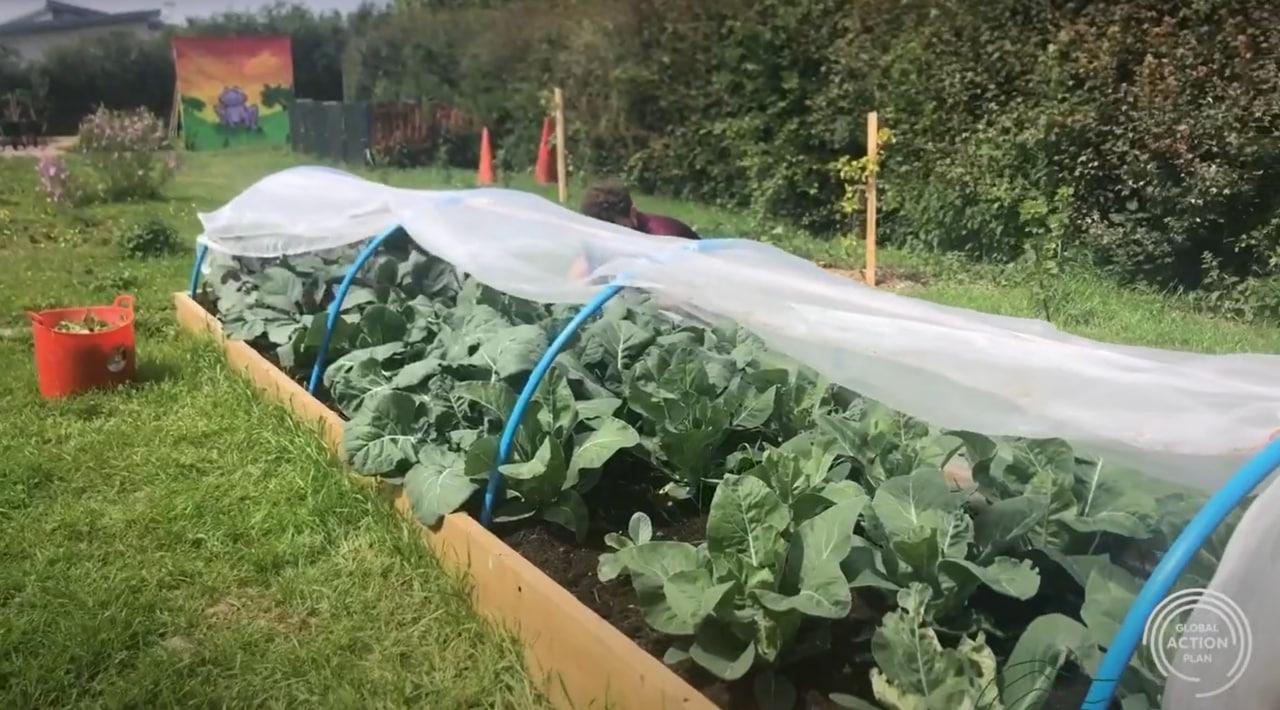
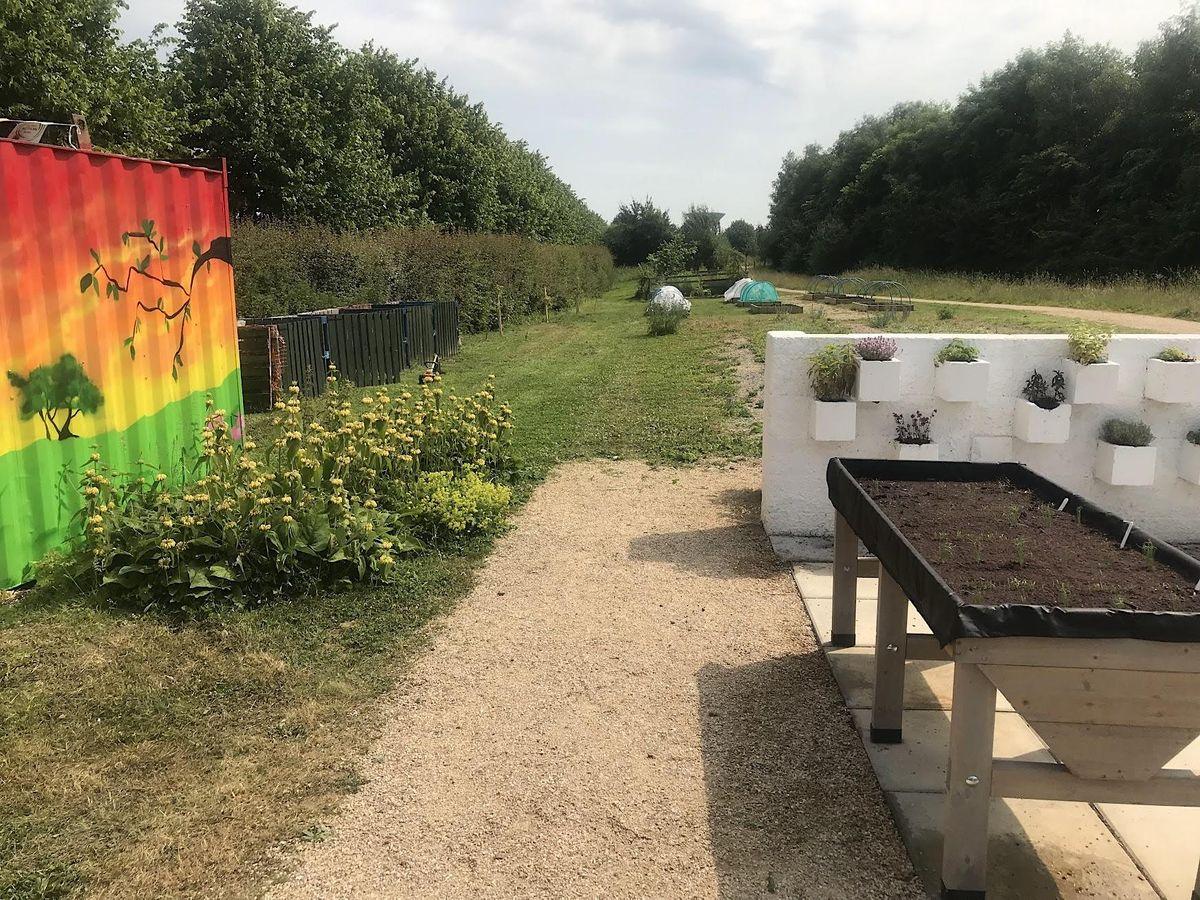
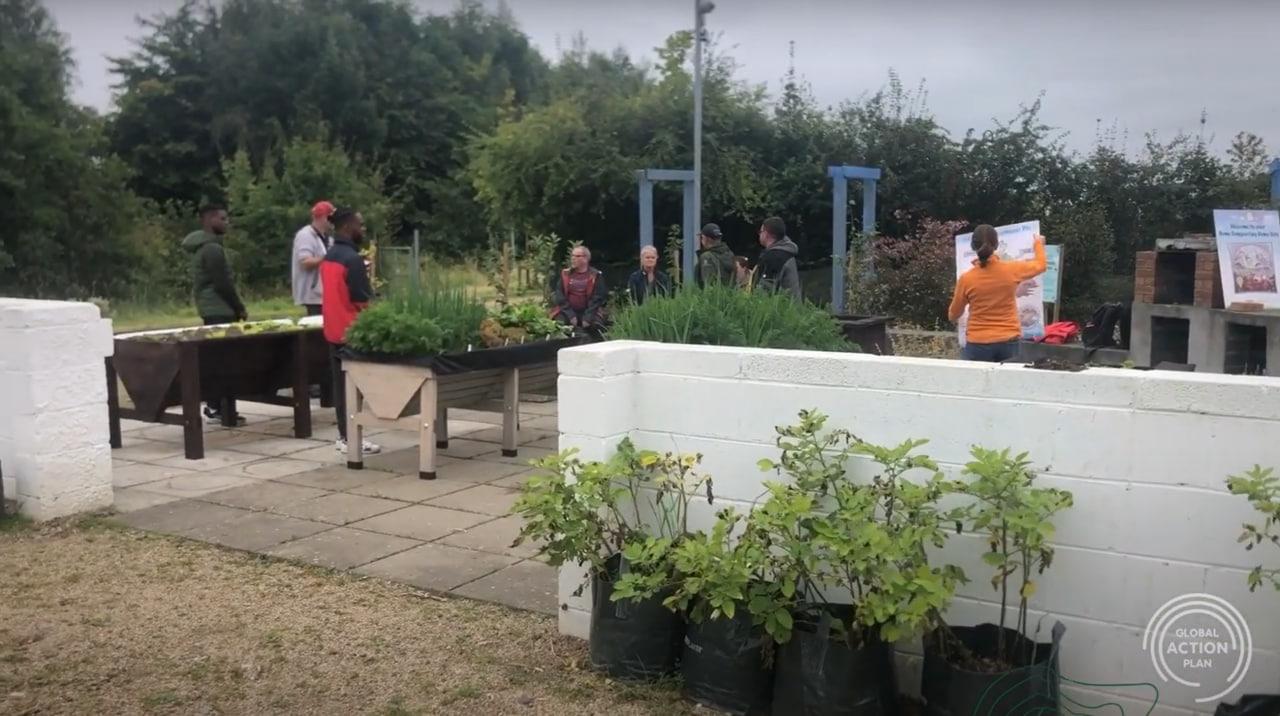
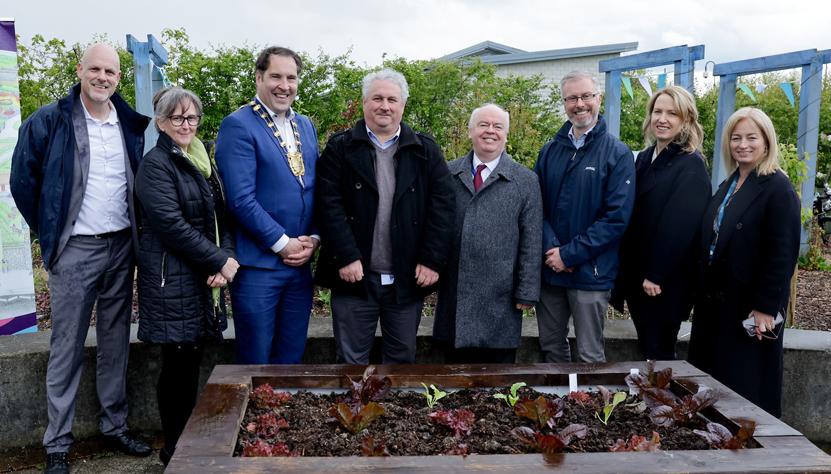
A community garden opened in 2023 on the Technological University (TU) Dublin Blanchardstown campus. This environmental education and social inclusion project is a collaborative effort involving Fingal County Council, Global Action Plan Ireland, TU Dublin, and the local community. It provides a space for local groups and schools to grow fresh produce, reconnect with nature, and foster a stronger sense of community. Rooted in a successful template developed by Global Action Plan in Ballymun, this initiative promotes social and cultural inclusion alongside environmental education. The Green Living & Sustainability Community Garden (GLAS) aims to create an inclusive environment that welcomes individuals of all ages, abilities, and backgrounds. More than a site for cultivating plants, flowers, and vegetables, the garden serves as a hub for fostering social connections, enhancing well-being, and offering valuable educational opportunities. The garden provides individuals with the chance to engage in social horticulture, exploring the connections between food, health, biodiversity, and global issues such as climate change. It operates on organic and regenerative principles, with all tasks and harvests shared by volunteers. Additionally, the garden will support youth gardening projects and public workshops on topics such as growing food, composting, water harvesting, and waste management. Beyond its environmental benefits, the garden helps people connect with one another, positively impacting social, physical, and mental well-being.
Overview
Nature-based solution
- Community gardens and allotments
- Community gardens
- Horticulture
Key challenges
- Environmental quality
- Soil quality improvement
- Green space, habitats and biodiversity (SDG 15)
- Green space creation and/or management
- Health and well-being (SDG 3)
- Improving mental health
- Improving physical health
- Social justice, cohesion and equity (SDG 10)
- Social justice and equity
- Social interaction
- Environmental education
- Sense of community and community engagement
- Sustainable consumption and production (SDG 12)
- Sustainable consumption
- Sustainable production
Principal problems in Functional Urban Area (FUA)
- Land use and Socio-economic change
- Agriculture/ crop production
- Rapid urbanization
- Unequal availability and access to public green spaces
- Health, Well-being and Social cohesion
- Mental health issues (stress, anxiety)
- Disconnection from nature
- Loss of sense of place and identity
- Poor community engagement
Key priorities
Focus
Project objectives
Implementation activities
Main beneficiaries
- Public sector institution (e.g. school or hospital)
- Non-government organisation/Civil Society
- Private sector/Corporate/Company
- Researchers/University
- Citizens or community groups
- Young people and children
Governance
Management set-up
- Co-governance with government and non-government actors
Type of initiating organisation
- Non-government organisation/civil society
- Researchers/university
Participatory approaches/ community involvement
- Dissemination of information and education
- Joint implementation (e.g. tree planting)
- Co-management/Joint management
Details on the roles of the organisations involved in the project
Project implemented in response to ...
Type of enablers
Financing
Total cost
Source(s) of funding
- Public local authority budget
Type of funding
- Earmarked public budget
Non-financial contribution
- Provision of land
- Provision of labour
- Provision of expertise
- Citizens (e.g. volunteering)
- Other
Impacts and Monitoring
Environmental impacts
- Environmental quality
- Improved soil quality
- Expected improved soil quality
- Green space and habitat
- Increased green space area
- Expected increased green space area
Economic impacts
- Generation of other type of work opportunities (e.g. voluntary, work for rehabilitation)
- Achieved generation of other type of work opportunities (e.g. voluntary, work for rehabilitation)
Socio-cultural impacts
- Social justice and cohesion
- Improved social cohesion
- Expected improved social cohesion
- Improved access to urban green space
- Expected improved access to urban green space
- Increased involvement of locals in the management of green spaces
- Expected increased involvement of locals in the management of green spaces
- Health and wellbeing
- Improved physical health
- Expected improved physical health
- Improved mental health
- Expected improved mental health
- Education
- Increased support for education and scientific research
- Expected increased support for education and scientific research
- Increased awareness of NBS and their benefits
- Expected increased awareness of NBS and their benefits
Type of reported impacts
Presence of formal monitoring system
Presence of indicators used in reporting
Presence of monitoring/ evaluation reports
Availability of a web-based monitoring tool
Potential risks of implementation and trade-offs
References
 Information about this nature-based solution was collected as part of the Naturescapes project funded by the European Union under Grant Agreement No 101084341.