

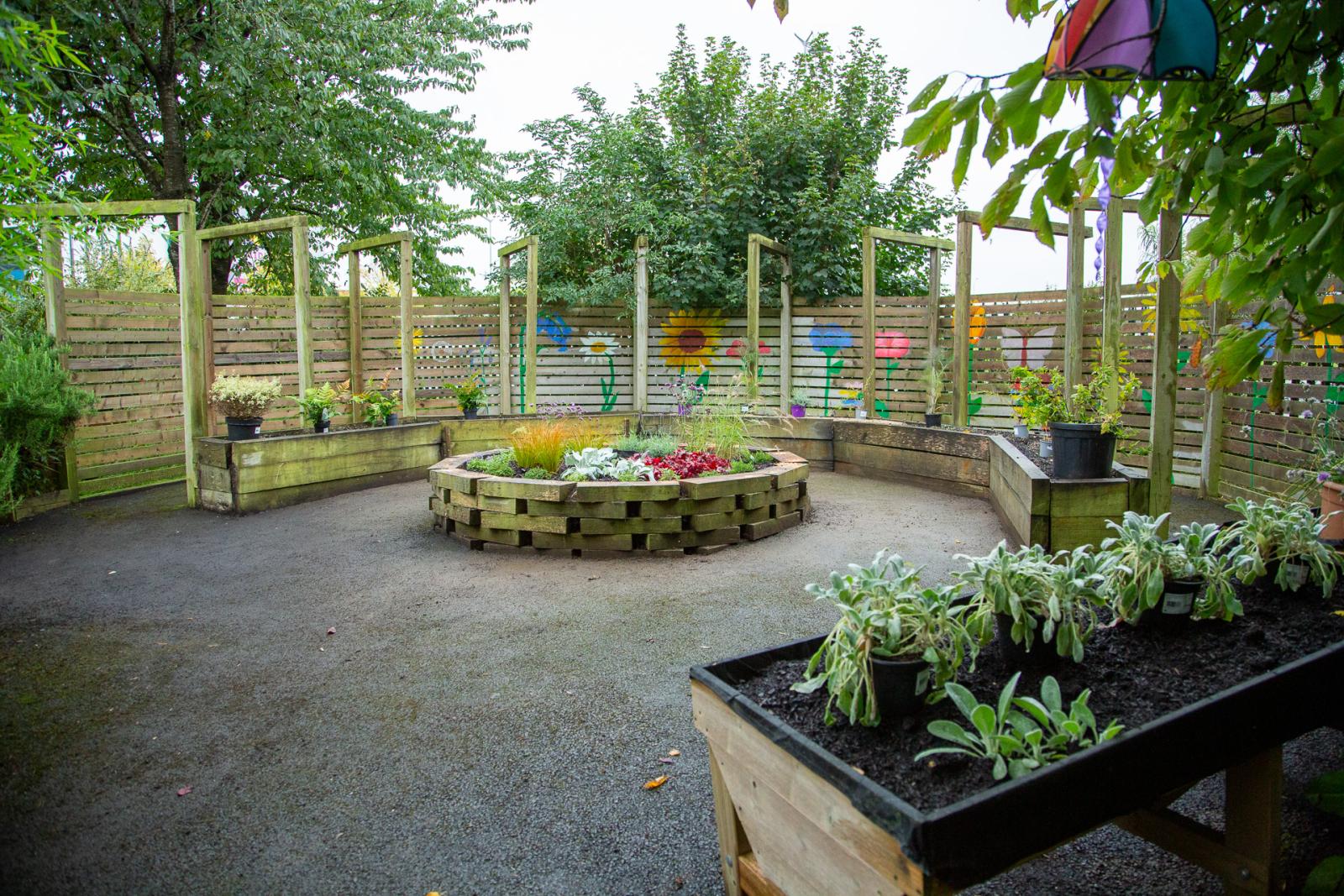
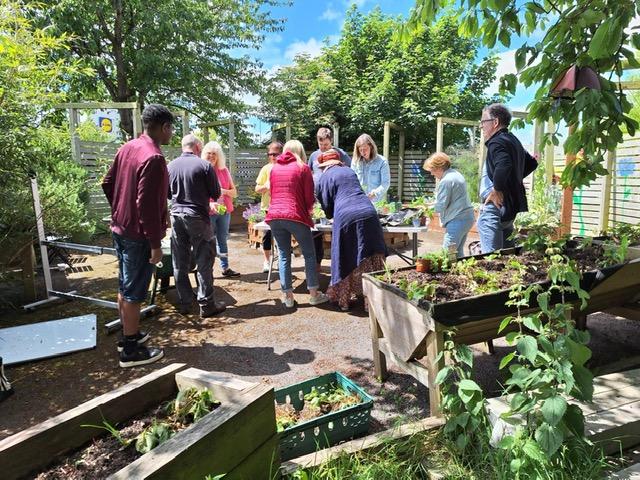
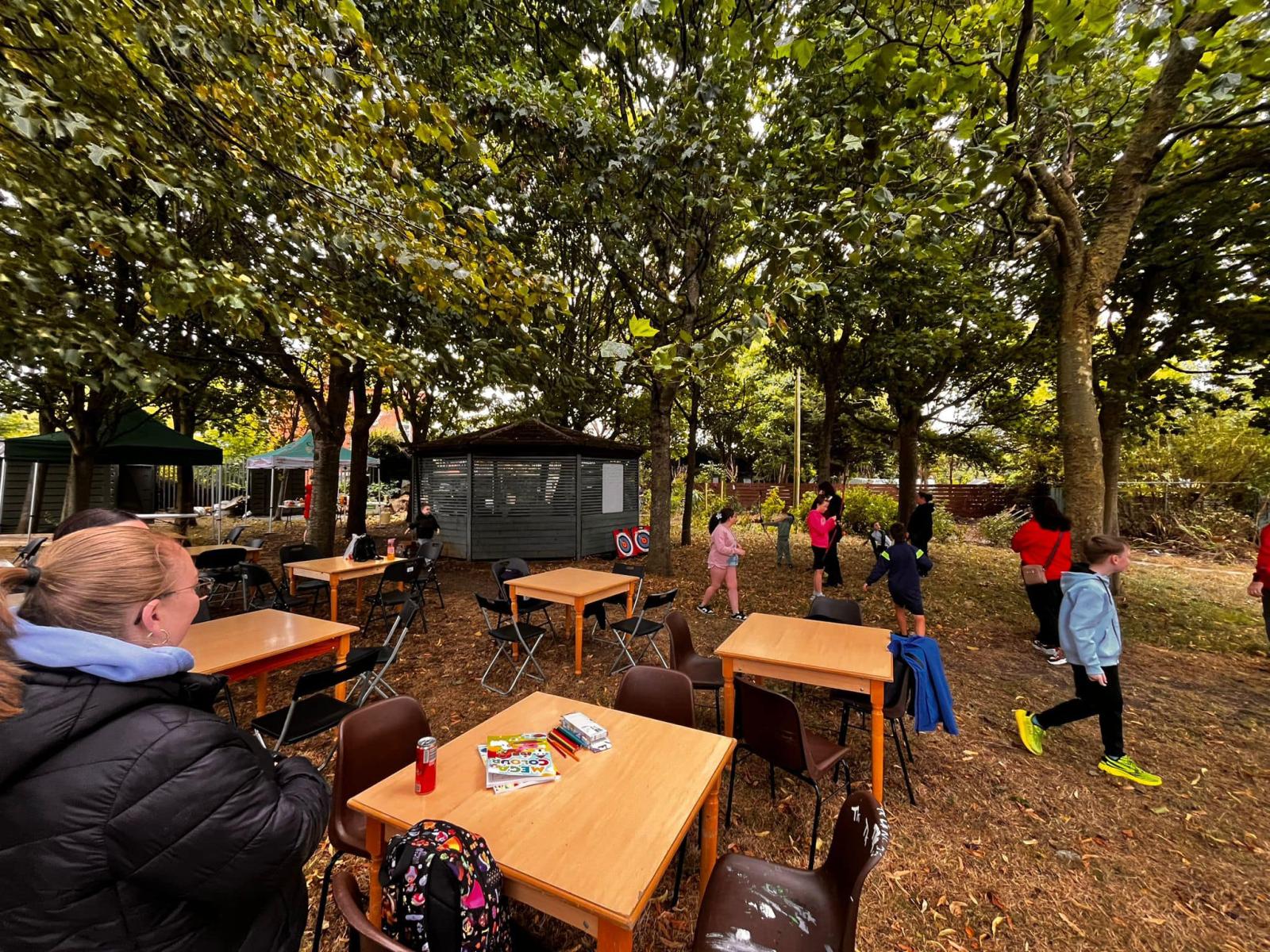
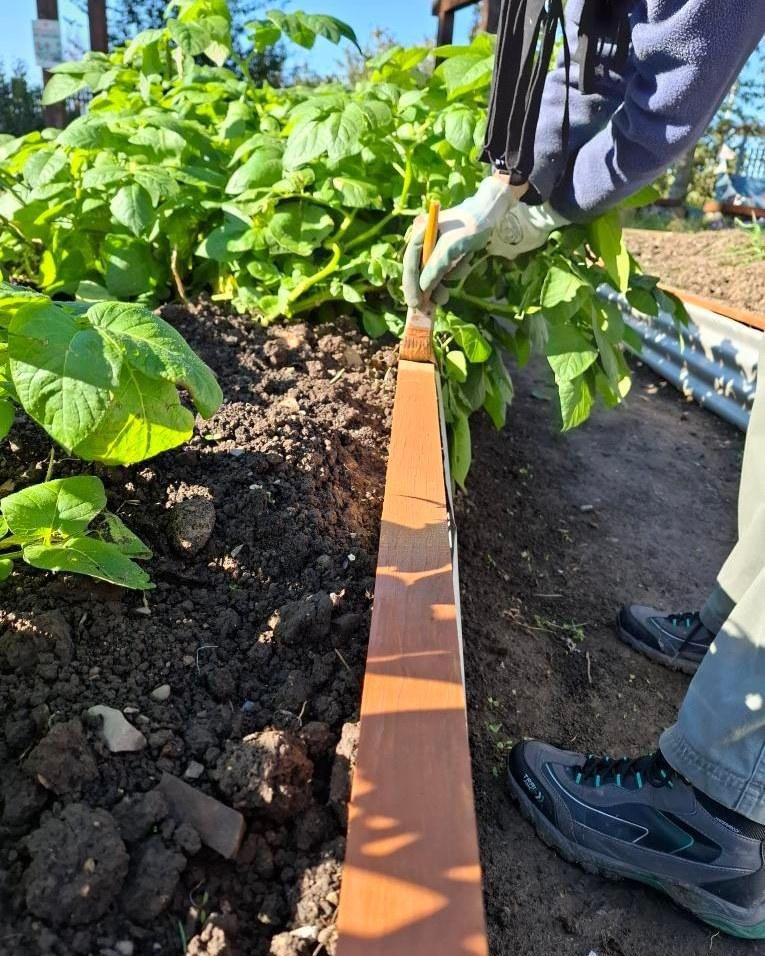
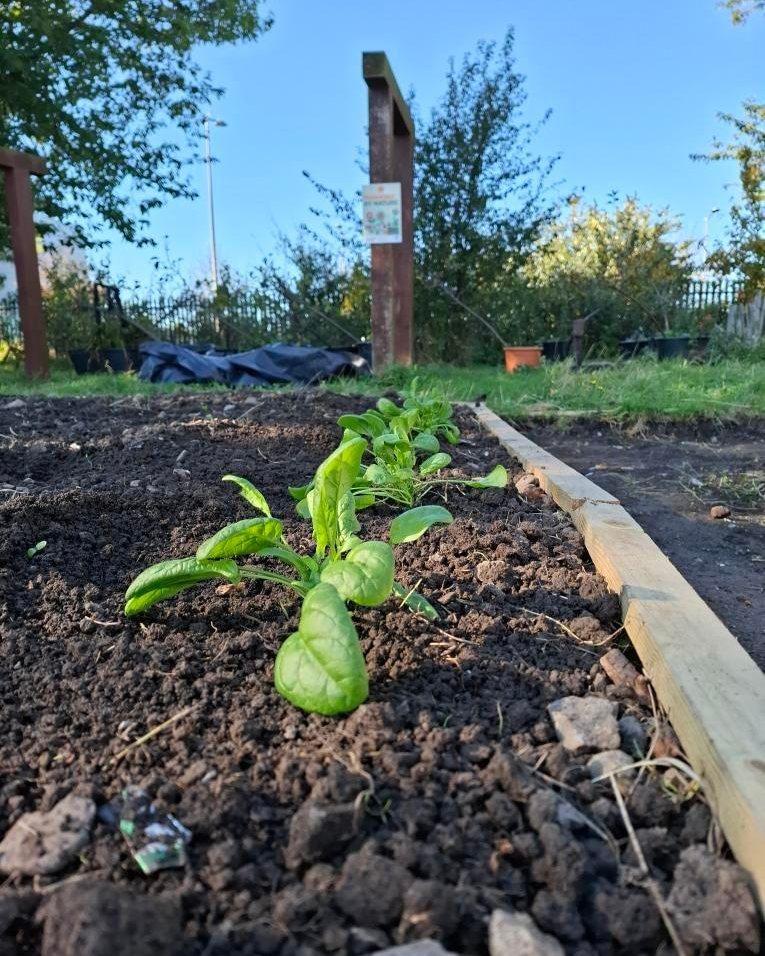
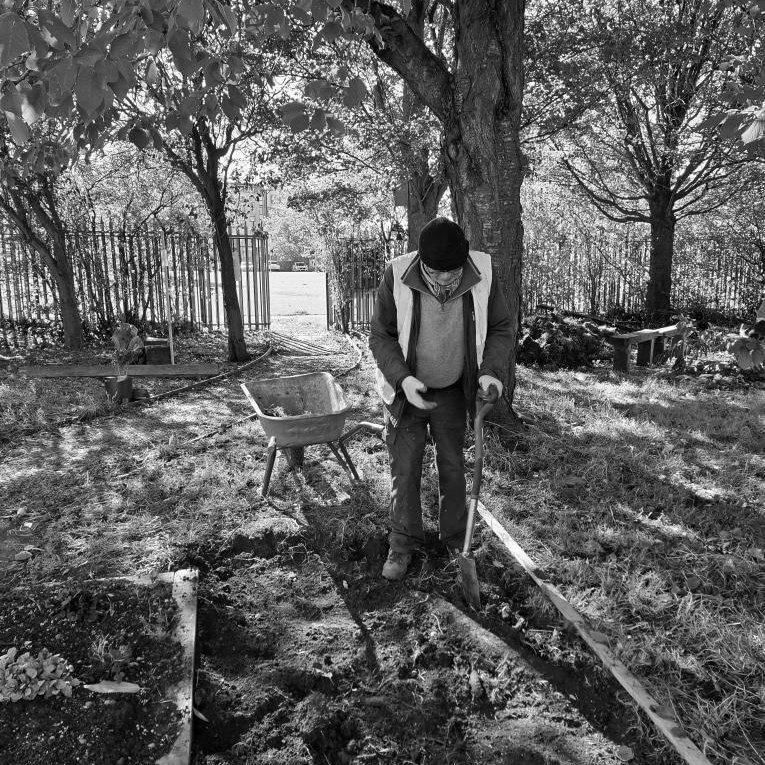
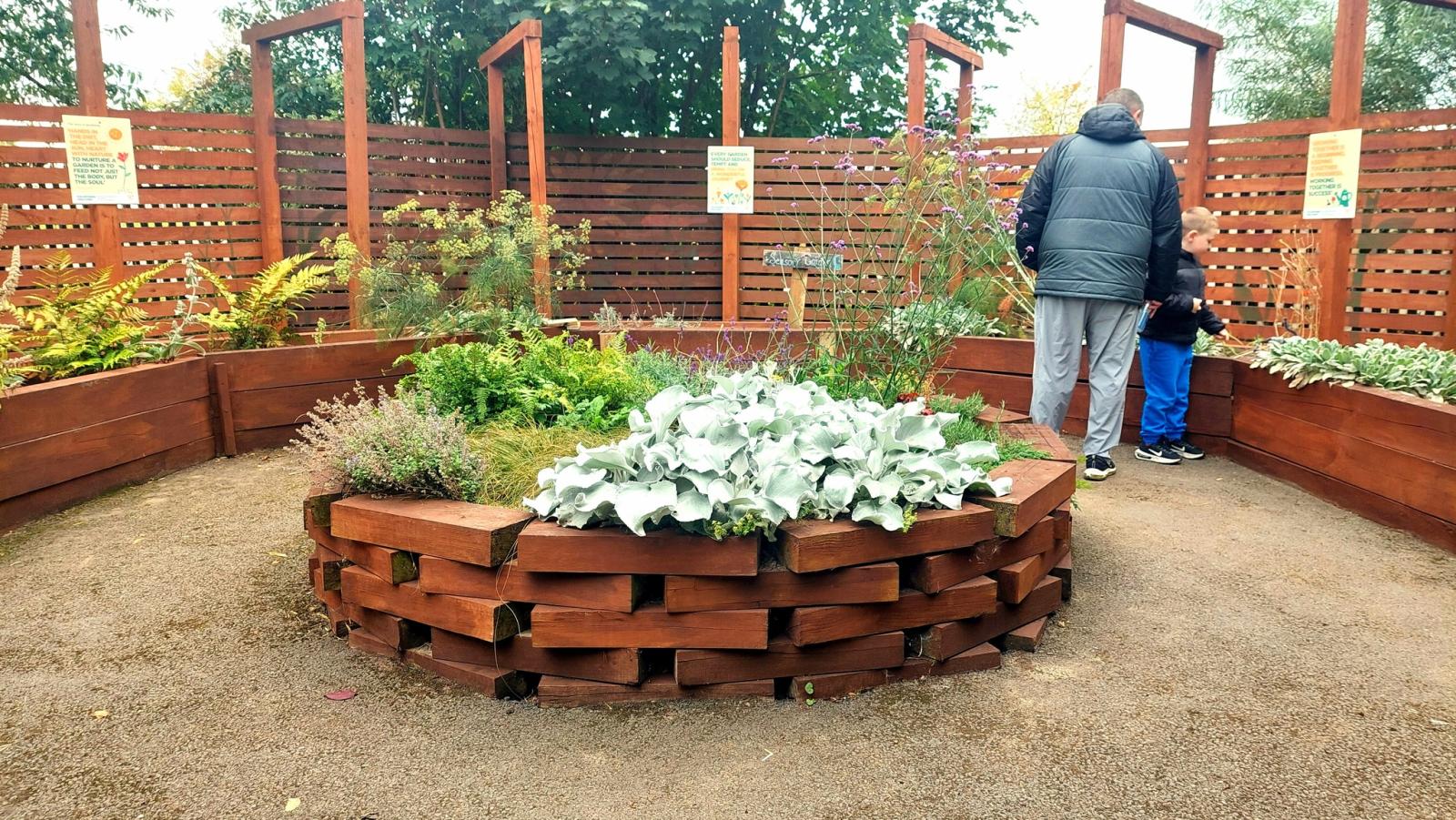
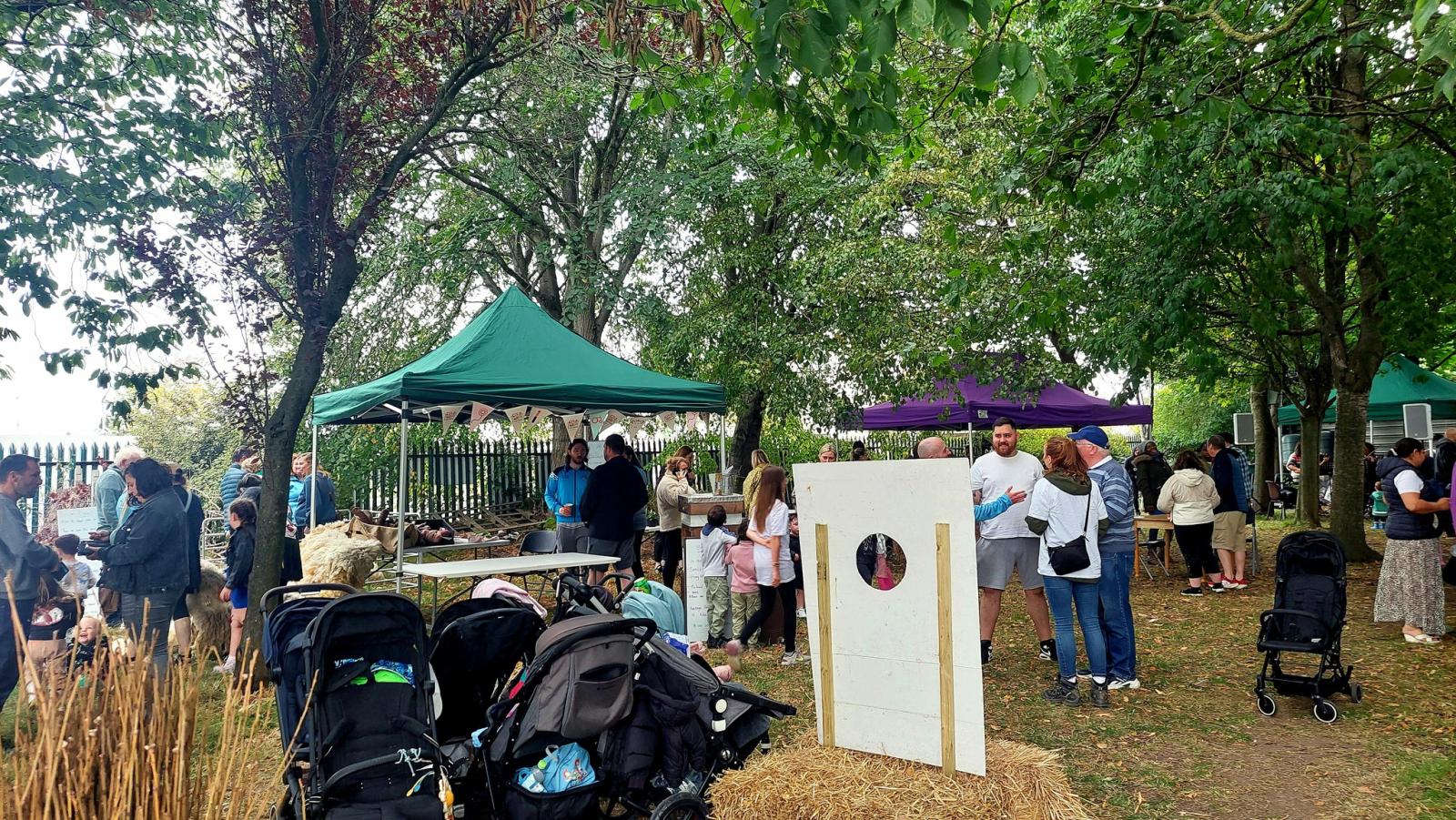
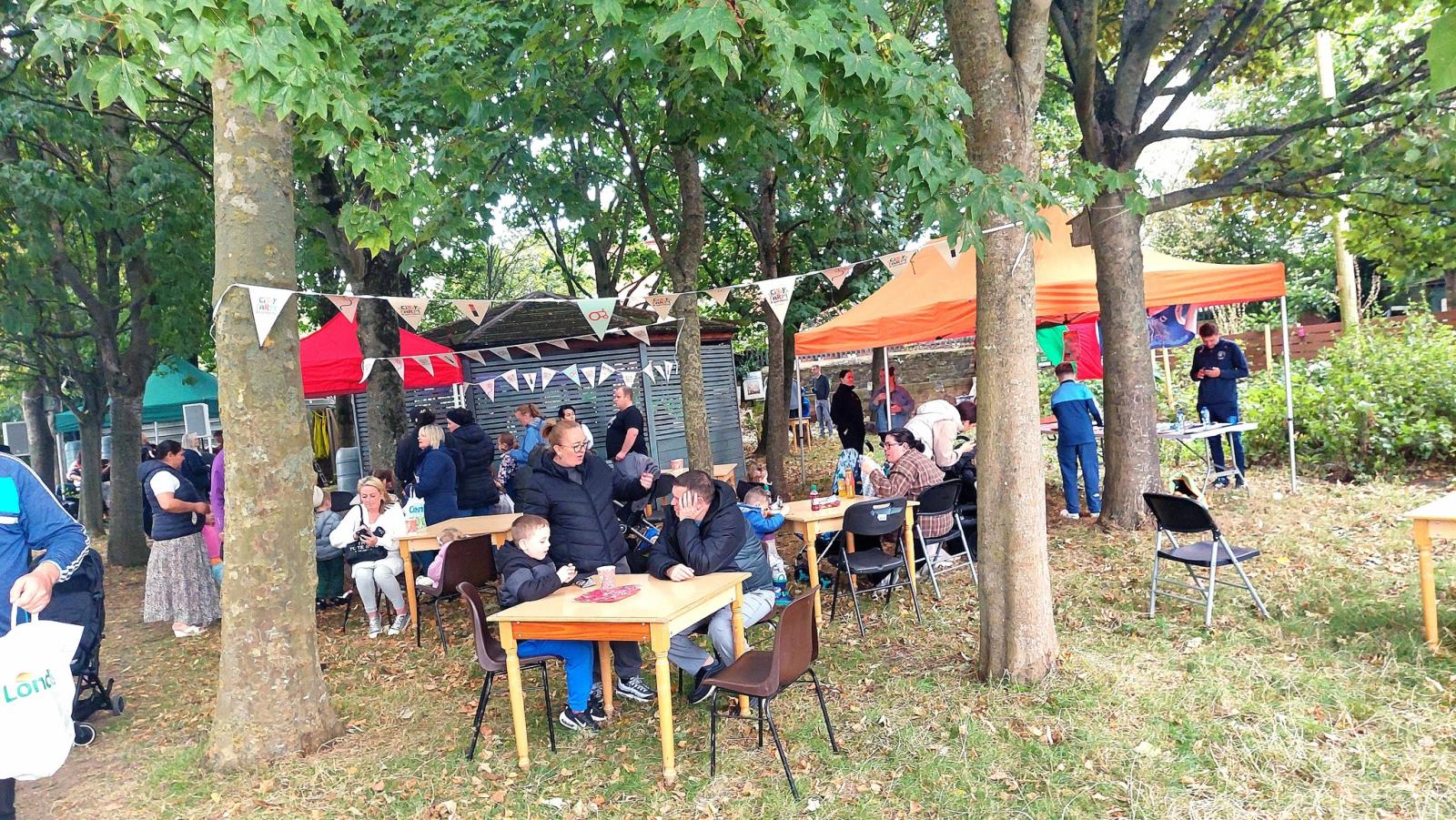
The Ballymun City Farm project began as a grassroots initiative when local residents envisioned turning an underutilized green space into a vibrant community resource. Though initially rejected by the City Council, the project’s supporters recognized its potential to contribute to Ballymun’s environmental, social, and economic regeneration. With a vision to create something unique for the area, the farm was designed to foster community engagement, environmental education, and local sustainability. Over time, it has grown into more than just a recreational space—it has become a symbol of community resilience, offering people of all backgrounds and abilities a place to connect, learn, and grow together (4). Situated on 6.6 acres provided by Dublin City Council, the farm aims to strengthen community bonds, enhance civic involvement, and combat social exclusion and isolation. It serves as both an educational and recreational space, providing opportunities for people of all abilities and backgrounds to engage with environmental topics, organic food production, native breed conservation, and traditional crafts. It is envisioned that the farm will include a designated ornamental garden, consisting of shrubs, flowers, grasses and bulbs, which will become a focal point for community activities/gatherings. In addition, we plan to install raised vegetable beds, fruit bushes. Through urban food production and community gardens—effective tools for educating schoolchildren and engaging youth—the farm addresses the gap between food production and consumption, helping to increase appreciation for local food. Investments in green infrastructure like Ballymun City Farm also support urban and regional development, including the creation of jobs. (1, 2)
Overview
Nature-based solution
- Community gardens and allotments
- Allotments
- Community gardens
Key challenges
- Climate action for adaptation, resilience and mitigation (SDG 13)
- Climate change adaptation
- Green space, habitats and biodiversity (SDG 15)
- Green space creation and/or management
- Habitat and biodiversity restoration
- Health and well-being (SDG 3)
- Creation of opportunities for recreation
- Enabling opportunities for physical activity
- Inclusive and effective governance (SDG 16)
- Inclusive governance
- Social justice, cohesion and equity (SDG 10)
- Social justice and equity
- Social interaction
- Environmental education
- Sense of community and community engagement
- Economic development and employment (SDG 8)
- Economic development: agriculture
- Sustainable consumption and production (SDG 12)
- Sustainable consumption
- Sustainable production
Principal problems in Functional Urban Area (FUA)
- Environmental Degradation
- Biodiversity loss
- Land use and Socio-economic change
- Agriculture/ crop production
- Health, Well-being and Social cohesion
- Disconnection from nature
- Loss of sense of place and identity
- Poor community engagement
Key priorities
Focus
Project objectives
Implementation activities
Climate-focused activities
Climate change adaptation:
- Improved agricultural practices for improved food security and prevention of food scarcity
- Reducing socio-economic vulnerability to climate impacts (e.g. awareness raising)
Biodiversity conservation or restoration-focused activities
Biodiversity restoration:
- Restore native species
Main beneficiaries
- Food producers and cultivators (i.e. farmers, gardeners)
- Young people and children
- Marginalized groups: Children, young people or youth groups , People with functional diversities, People with invisible disabilities
Governance
Management set-up
- Led by non-government actors
Type of initiating organisation
- Citizens or community group
Participatory approaches/ community involvement
- Co-planning (e.g. stakeholder workshops, focus groups, participatory mapping)
- Deliberative decision-making processes (e.g., consensus building, deliberative polling)
- Taskforce groups
- Dissemination of information and education
- Consultation (e.g. workshop, surveys, community meetings, town halls)
- Joint implementation (e.g. tree planting)
- Citizen oversight (e.g. boards, advisory)
Details on the roles of the organisations involved in the project
Project implemented in response to ...
Type of enablers
Financing
Total cost
Source(s) of funding
- Public local authority budget
Type of funding
- Earmarked public budget
Non-financial contribution
- Provision of land
- Provision of labour
- Provision of expertise
- Public authorities (e.g. land, utility services)
- Citizens (e.g. volunteering)
Impacts and Monitoring
Environmental impacts
- Green space and habitat
- Increased green space area
- Expected increased green space area
- Increase in protected green space areas
- Expected increase in protected green space areas
- Increased number of species present
- Expected increased number of species present
Economic impacts
- Increase of green jobs (e.g. paid employment positions)
- Expected increase of green jobs (e.g. paid employment positions)
- Generation of other type of work opportunities (e.g. voluntary, work for rehabilitation)
- Expected generation of other type of work opportunities (e.g. voluntary, work for rehabilitation)
Socio-cultural impacts
- Social justice and cohesion
- Increased visibility and opportunity for marginalised groups or indigenous peoples
- Expected increased visibility and opportunity for marginalised groups or indigenous peoples
- Increased opportunities for social interaction
- Expected increased opportunities for social interaction
- Increased involvement of locals in the management of green spaces
- Expected increased involvement of locals in the management of green spaces
- Increased access to healthy/affordable food
- Expected increased access to healthy/affordable food
- Increased sustainability of agriculture practices
- Expected increased sustainability of agriculture practices
- Health and wellbeing
- Gain in activities for recreation and exercise
- Expected gain in activities for recreation and exercise
- Education
- Increased support for education and scientific research
- Expected increased support for education and scientific research
Type of reported impacts
Presence of formal monitoring system
Presence of indicators used in reporting
Presence of monitoring/ evaluation reports
Availability of a web-based monitoring tool
Potential risks of implementation and trade-offs
References

 Information about this nature-based solution was collected as part of the Naturescapes project funded by the European Union under Grant Agreement No 101084341.