

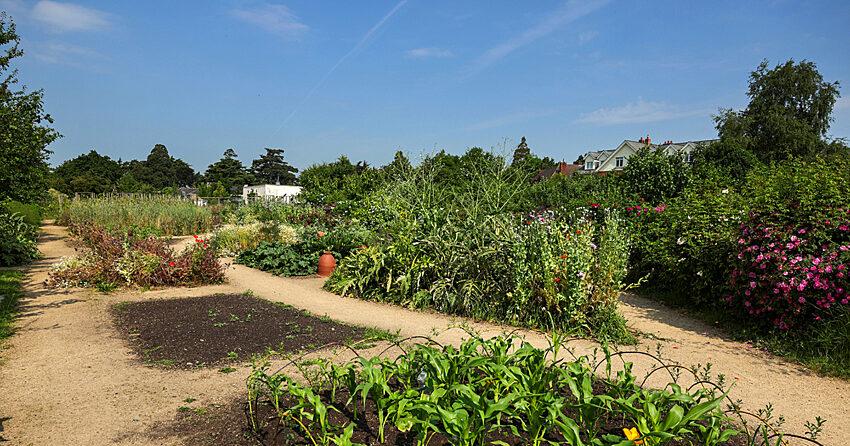
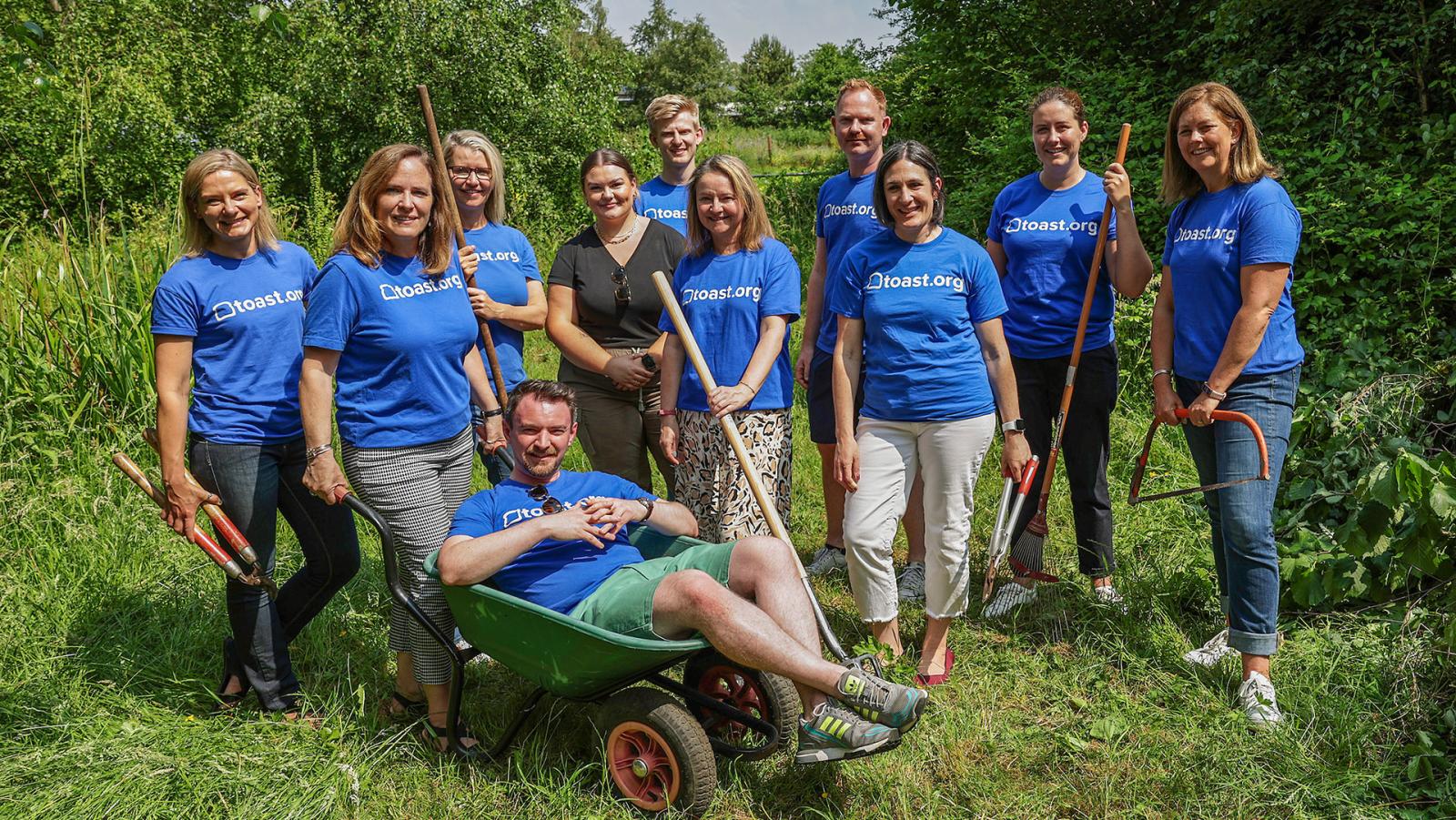
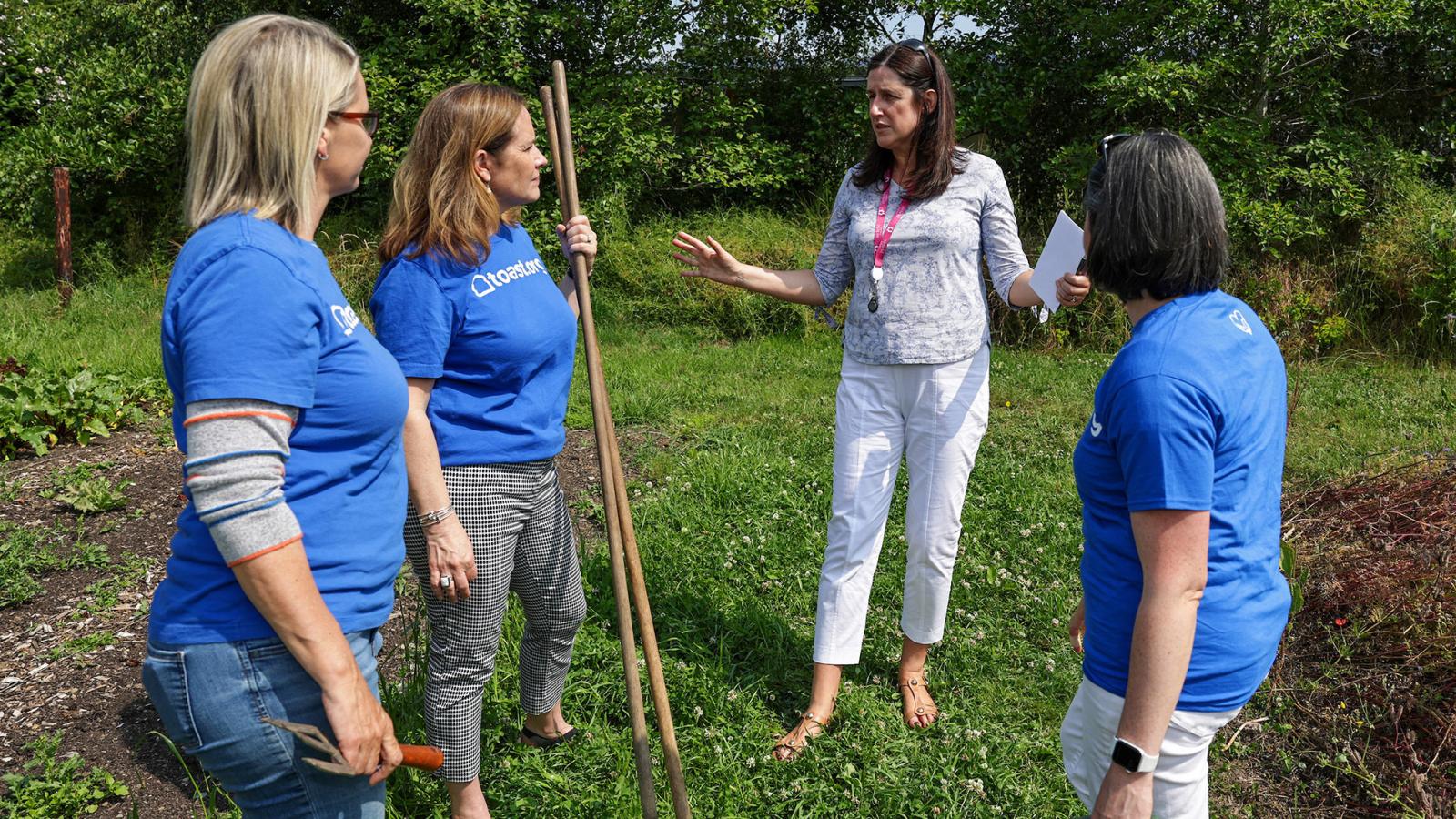
Airfield Estate, based in Dundrum, South County Dublin, is a dedicated sustainable food hub and Dublin’s only working urban farm and gardens. The 38-acre site, originally owned by the Overend family, attracts over 120,000 visitors for a fun day out including families, garden enthusiasts, schools, weddings and businesses. The community garden at Airfield Estate is based on a partnership between the Estate and Toast corporation, a digital technology platform built for restaurants with an office in Dublin. The community garden was created to produce sustainable fruit and vegetables while also offering opportunities for people to learn about environmentally-friendly food production, empowering them to make more informed food choices. The Toast.org Community Garden at Airfield Estate will be a resource centre for education on nutrition, food sovereignty, seed saving, biodiversity, conservation, and resource management, supporting Toast.org’s mission to enrich the food experience for all. The community garden will also support Airfield Estate’s ambition to be Dublin’s sustainable food hub and help bring Dublin on its journey to be known as a world-leading sustainable food city (2, 3). The grounds will be accessible to everyone, from the local community and vulnerable groups to corporate employees, and the space will host horticulture talks and workshops on various topics. The partnership between Toast.org and Airfield Estate began in 2021 when some of Toast’s Dublin-based employees volunteered with the charity. The launch of the community garden is one of several ways Toast.org will support Airfield Estate throughout 2023. (2)
Overview
Nature-based solution
- Community gardens and allotments
- Community gardens
Key challenges
- Green space, habitats and biodiversity (SDG 15)
- Green space creation and/or management
- Habitat and biodiversity restoration
- Health and well-being (SDG 3)
- Creation of opportunities for recreation
- Inclusive and effective governance (SDG 16)
- Inclusive governance
- Social justice, cohesion and equity (SDG 10)
- Social interaction
- Environmental education
- Sense of community and community engagement
- Sustainable consumption and production (SDG 12)
- Sustainable production
Principal problems in Functional Urban Area (FUA)
- Land use and Socio-economic change
- Agriculture/ crop production
- Rapid urbanization
- Health, Well-being and Social cohesion
- Inadequate access to recreational opportunities
- Disconnection from nature
Key priorities
Focus
Project objectives
Implementation activities
Biodiversity conservation or restoration-focused activities
Biodiversity restoration:
- Restore species (native, endangered, or unspecified)
Main beneficiaries
- Private sector/Corporate/Company
- Citizens or community groups
- Marginalized groups: Unknown
Governance
Management set-up
- Led by non-government actors
Type of initiating organisation
- Private sector/corporate actor/company
Participatory approaches/ community involvement
- Co-planning (e.g. stakeholder workshops, focus groups, participatory mapping)
- Dissemination of information and education
- Joint implementation (e.g. tree planting)
- Co-management/Joint management
- Citizen oversight (e.g. boards, advisory)
Details on the roles of the organisations involved in the project
Project implemented in response to ...
Type of enablers
Financing
Total cost
Source(s) of funding
- Corporate investment
Type of funding
- Direct funding (grants, subsidies, or self-financed projects by private entities)
Non-financial contribution
- Provision of goods
- Provision of labour
- Provision of expertise
- Citizens (e.g. volunteering)
- Private sector (businesses, financial institution)
Impacts and Monitoring
Environmental impacts
- Green space and habitat
- Reduced biodiversity loss
- Expected reduced biodiversity loss
- Increased number of species present
- Expected increased number of species present
- Enhanced support of pollination
- Expected enhanced support of pollination
Economic impacts
- Increase of green jobs (e.g. paid employment positions)
- Achieved increase of green jobs (e.g. paid employment positions)
- Generation of other type of work opportunities (e.g. voluntary, work for rehabilitation)
- Expected generation of other type of work opportunities (e.g. voluntary, work for rehabilitation)
Socio-cultural impacts
- Social justice and cohesion
- Improved social cohesion
- Expected improved social cohesion
- Increased involvement of locals in the management of green spaces
- Expected increased involvement of locals in the management of green spaces
- Increased sustainability of agriculture practices
- Expected increased sustainability of agriculture practices
- Health and wellbeing
- Gain in activities for recreation and exercise
- Expected gain in activities for recreation and exercise
- Education
- Increased support for education and scientific research
- Expected increased support for education and scientific research
Type of reported impacts
Presence of formal monitoring system
Presence of indicators used in reporting
Presence of monitoring/ evaluation reports
Availability of a web-based monitoring tool
Potential risks of implementation and trade-offs
References
 Information about this nature-based solution was collected as part of the Naturescapes project funded by the European Union under Grant Agreement No 101084341.