

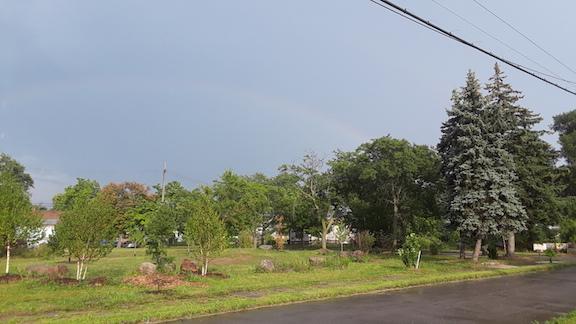
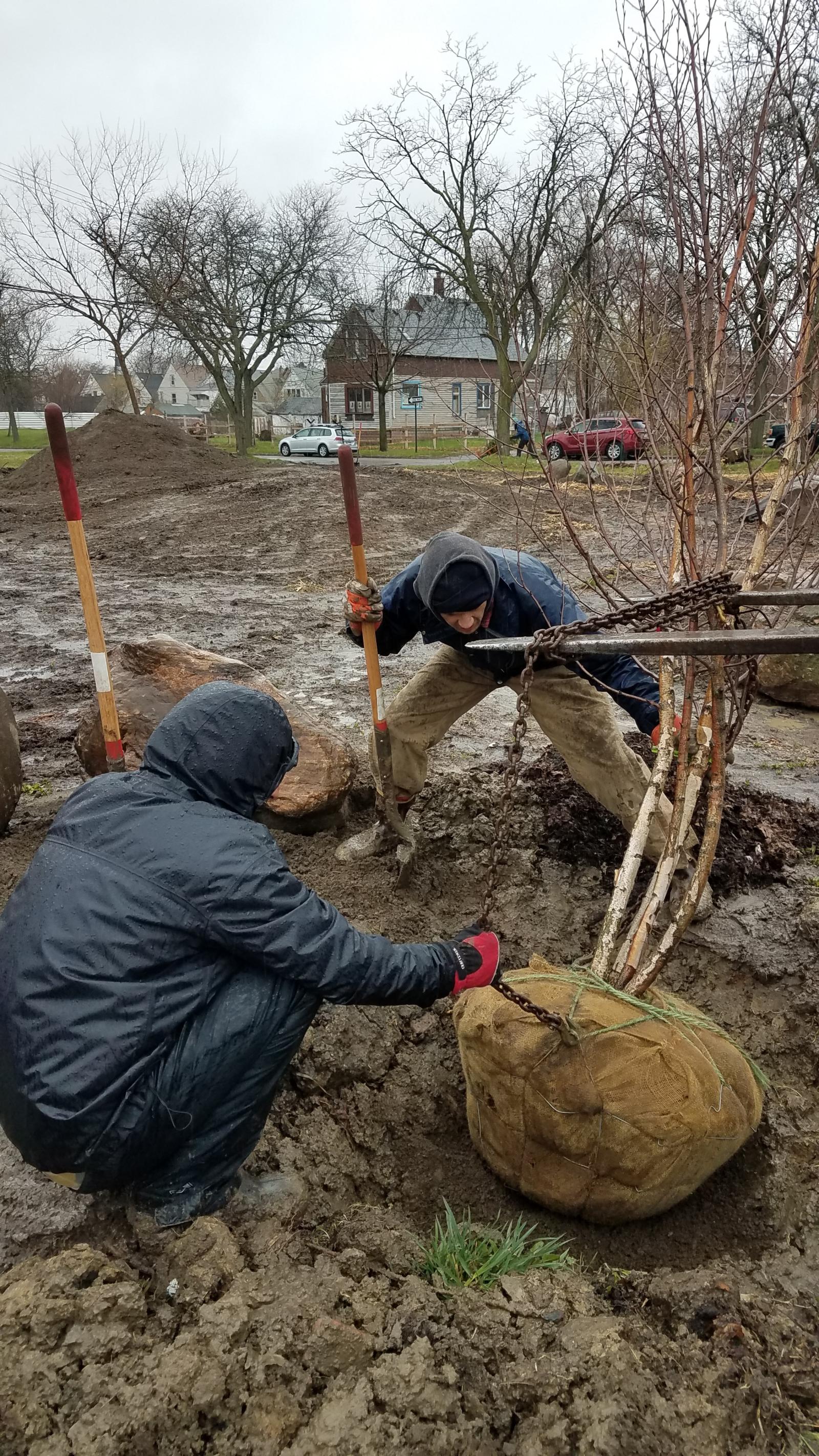
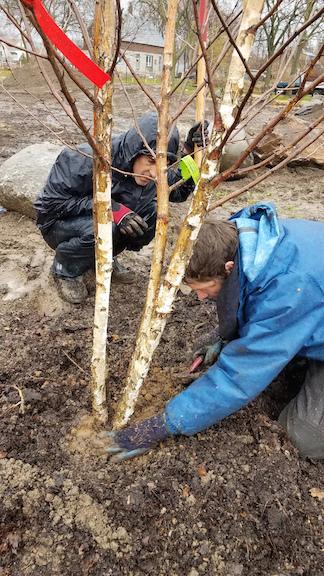
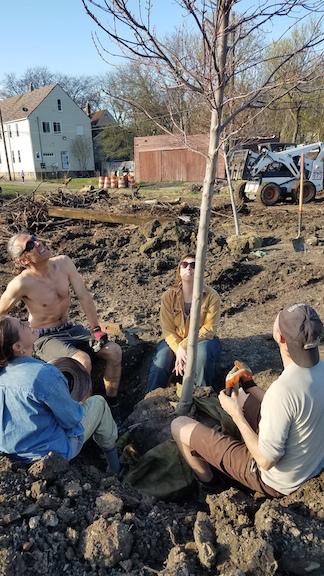
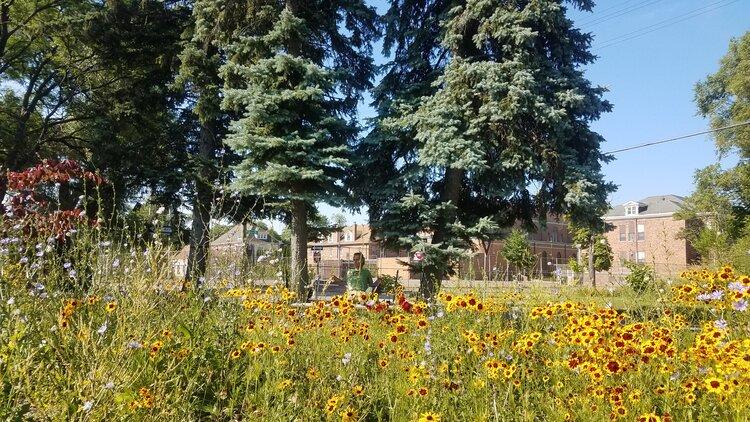
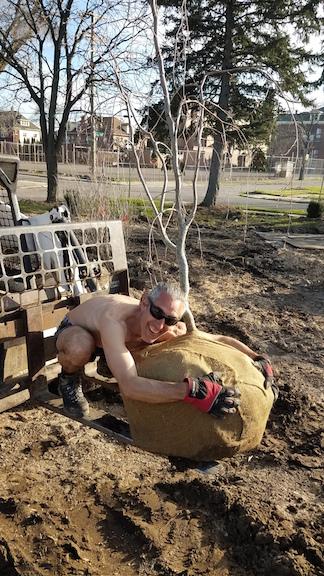
Over the past century, vast portions of the world’s oldest forests have been lost to clear-cutting and managed forestry (1). Arboretum Detroit is working to counter this trend by reforesting Detroit’s urban landscape, transforming abandoned city blocks into thriving groves of trees (1). Each parcel of land features trees that showcase the unique contours and characteristics of specific species, creating a diverse urban forest mosaic across the city (1). These "forest patches" are protected, designed to mature safely for generations, offering a space of tranquility and natural beauty for all Detroiters (1). Arboretum Detroit’s main goal is to cultivate environmental consciousness, inspiring the community to consider our interconnectedness with nature and our impact on it (1). Through their reforestation mission, they demonstrate the ecological, cultural, aesthetic, and economic value of trees, both locally and globally (1). Trees alter our environment by using their leaves to filter the air we breathe by removing dust and other particles. Deciduous shade trees cool homes in the summer and allow the winter sun to heat homes when they lose their leaves. Trees can serve as a windbreak. The more compact the foliage on the group of trees the more effective the windbreak. Their pilot project, launched on Earth Day 2019, brought these values to life. Volunteers and members planted 21 trees across the site, including species like Princeton Sentry Ginkgo, Redpoint Red Maple, Paper Birch, Cedar, Yew, and understory trees like Kousa Dogwood and Forest Pansy Redbud, enhancing the habitat for local pollinators and birds (2). The trees were arranged in trios, interspersed with native seeds, soil, compost, and glacial boulders to create a healthy and engaging environment for all (2).
Overview
Nature-based solution
- Parks and urban forests
- Pocket parks/neighbourhood green spaces
Key challenges
- Climate action for adaptation, resilience and mitigation (SDG 13)
- Climate change mitigation
- Environmental quality
- Air quality improvement
- Soil quality improvement
- Green space, habitats and biodiversity (SDG 15)
- Green space creation and/or management
- Habitat and biodiversity restoration
- Regeneration, land-use and urban development
- Promote natural styles of landscape design for urban development
- Social justice, cohesion and equity (SDG 10)
- Environmental education
Principal problems in Functional Urban Area (FUA)
- Environmental Degradation
- Biodiversity loss
- Deforestation and forest degradation
- Land use and Socio-economic change
- Unequal availability and access to public green spaces
- Health, Well-being and Social cohesion
- Disconnection from nature
Key priorities
Focus
Project objectives
Implementation activities
Climate-focused activities
Climate change mitigation:
- Increase the availability of green urban space for carbon storage (street tree cover)
Specification of climate or environmentally vulnerable communities
Biodiversity conservation or restoration-focused activities
Biodiversity restoration:
- Restore native species
Main beneficiaries
- Citizens or community groups
Governance
Management set-up
- Led by non-government actors
Type of initiating organisation
- Non-government organisation/civil society
- Citizens or community group
Participatory approaches/ community involvement
- Dissemination of information and education
- Joint implementation (e.g. tree planting)
- Citizen oversight (e.g. boards, advisory)
Details on the roles of the organisations involved in the project
Project implemented in response to ...
Type of enablers
Financing
Total cost
Source(s) of funding
- Funds provided by non-governmental organization (NGO)
Type of funding
- Direct funding (grants, subsidies, or self-financed projects by private entities)
Non-financial contribution
- Provision of land
- Provision of goods
- Provision of labour
- Public authorities (e.g. land, utility services)
- Citizens (e.g. volunteering)
Impacts and Monitoring
Environmental impacts
- Climate change
- Enhanced carbon sequestration
- Expected enhanced carbon sequestration
- Environmental quality
- Improved air quality
- Expected improved air quality
- Green space and habitat
- Increased conversion of degraded land or soil
- Achieved increased conversion of degraded land or soil
- Increased number of species present
- Achieved increased number of species present
- Enhanced support of pollination
- Achieved enhanced support of pollination
Economic impacts
Socio-cultural impacts
- Social justice and cohesion
- Improved access to urban green space
- Achieved improved access to urban green space
- Increased involvement of locals in the management of green spaces
- Expected increased involvement of locals in the management of green spaces
- Education
- Increased knowledge of locals about local nature
- Expected increased knowledge of locals about local nature
Type of reported impacts
Presence of formal monitoring system
Presence of indicators used in reporting
Presence of monitoring/ evaluation reports
Availability of a web-based monitoring tool
Potential risks of implementation and trade-offs
References
 Information about this nature-based solution was collected as part of the Naturescapes project funded by the European Union under Grant Agreement No 101084341.