

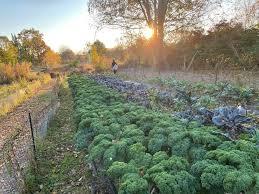
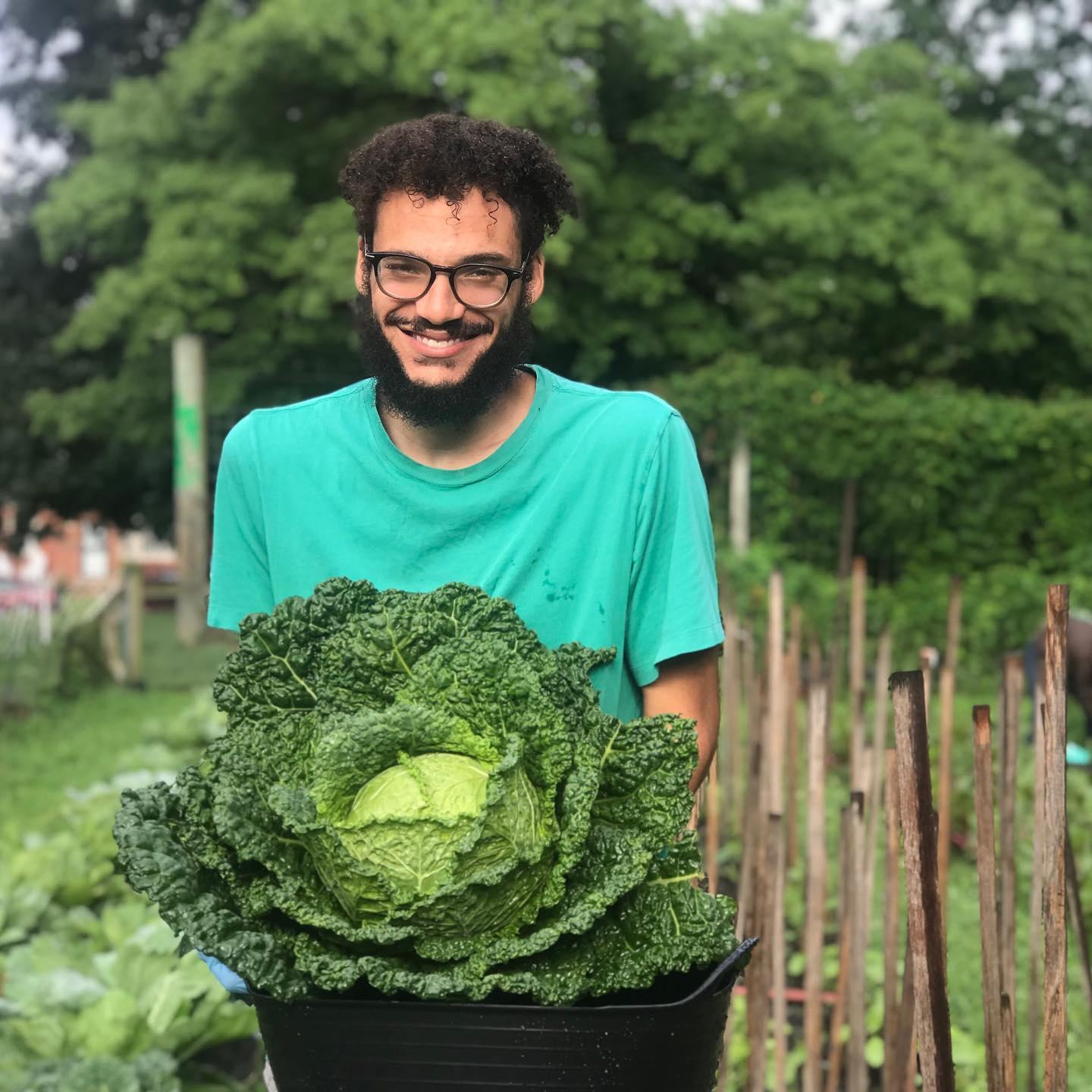
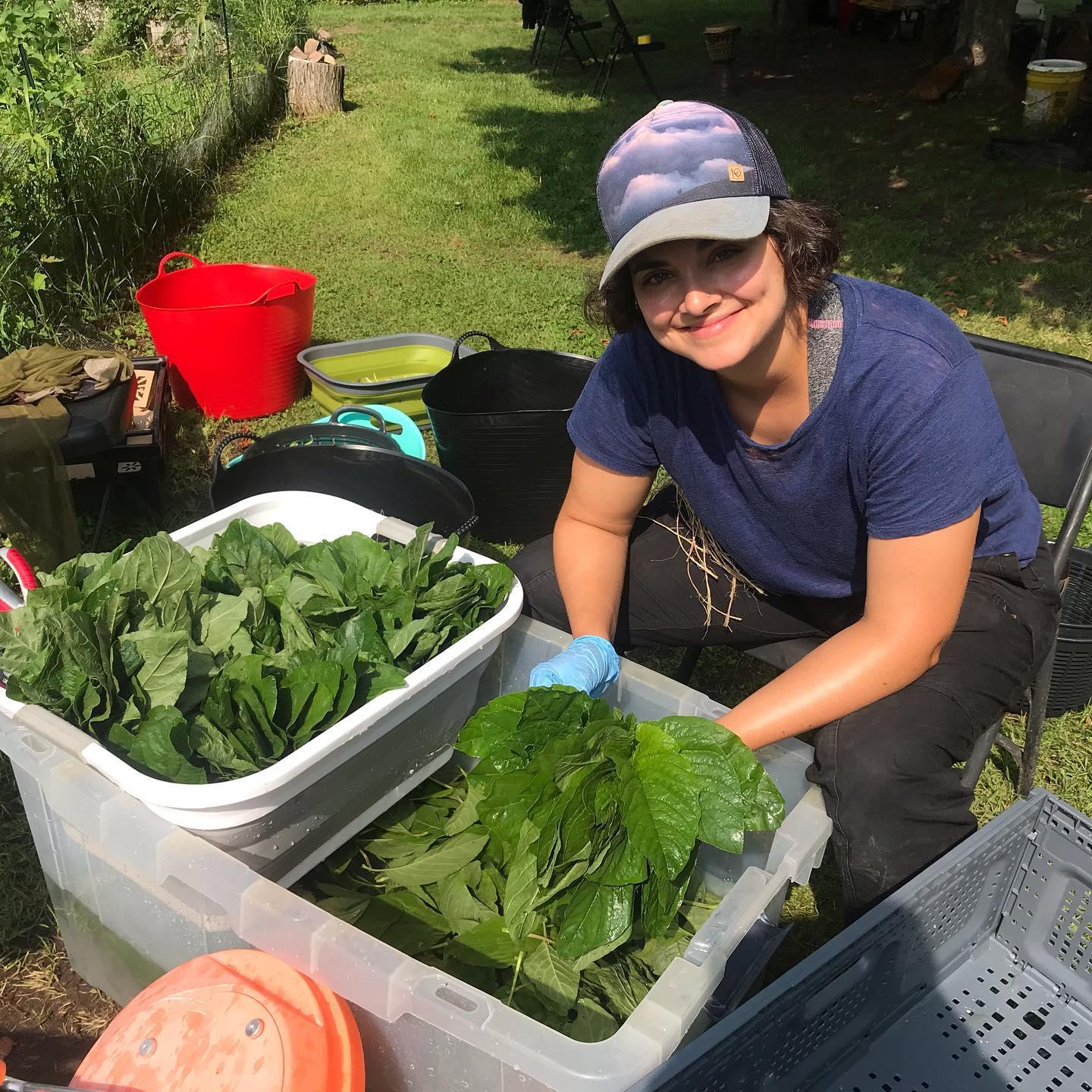
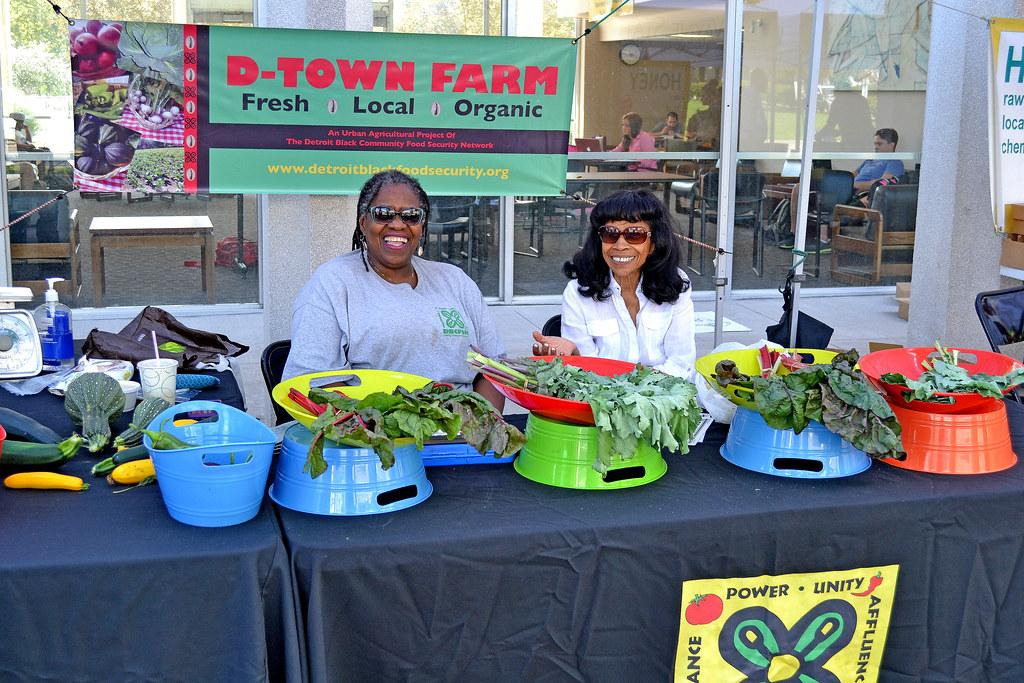
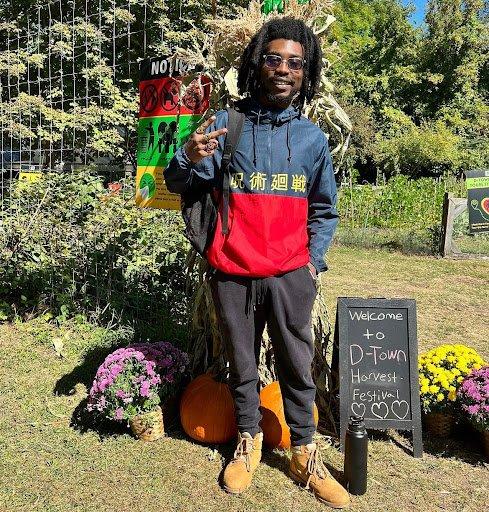
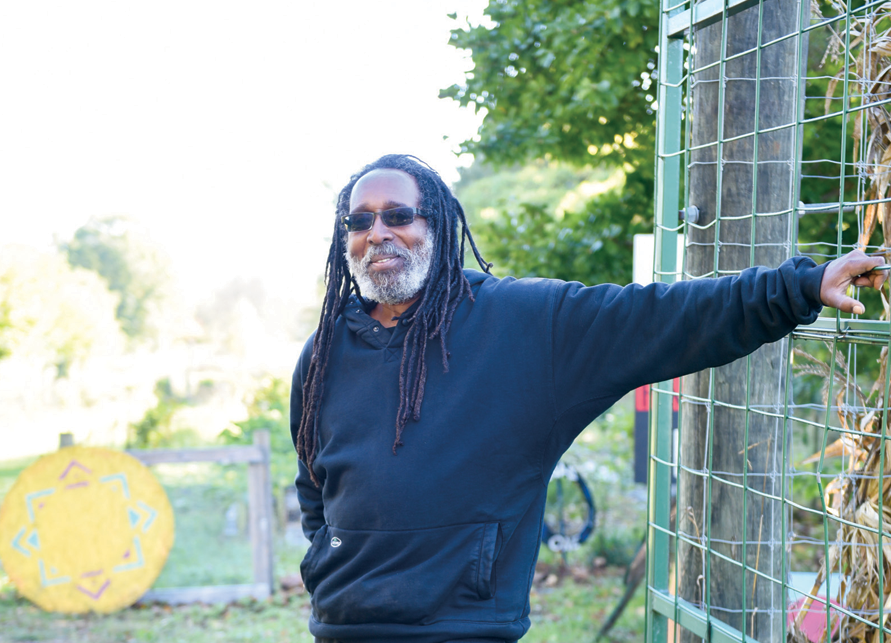
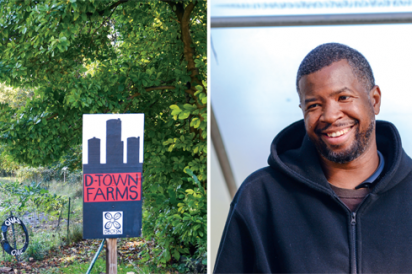
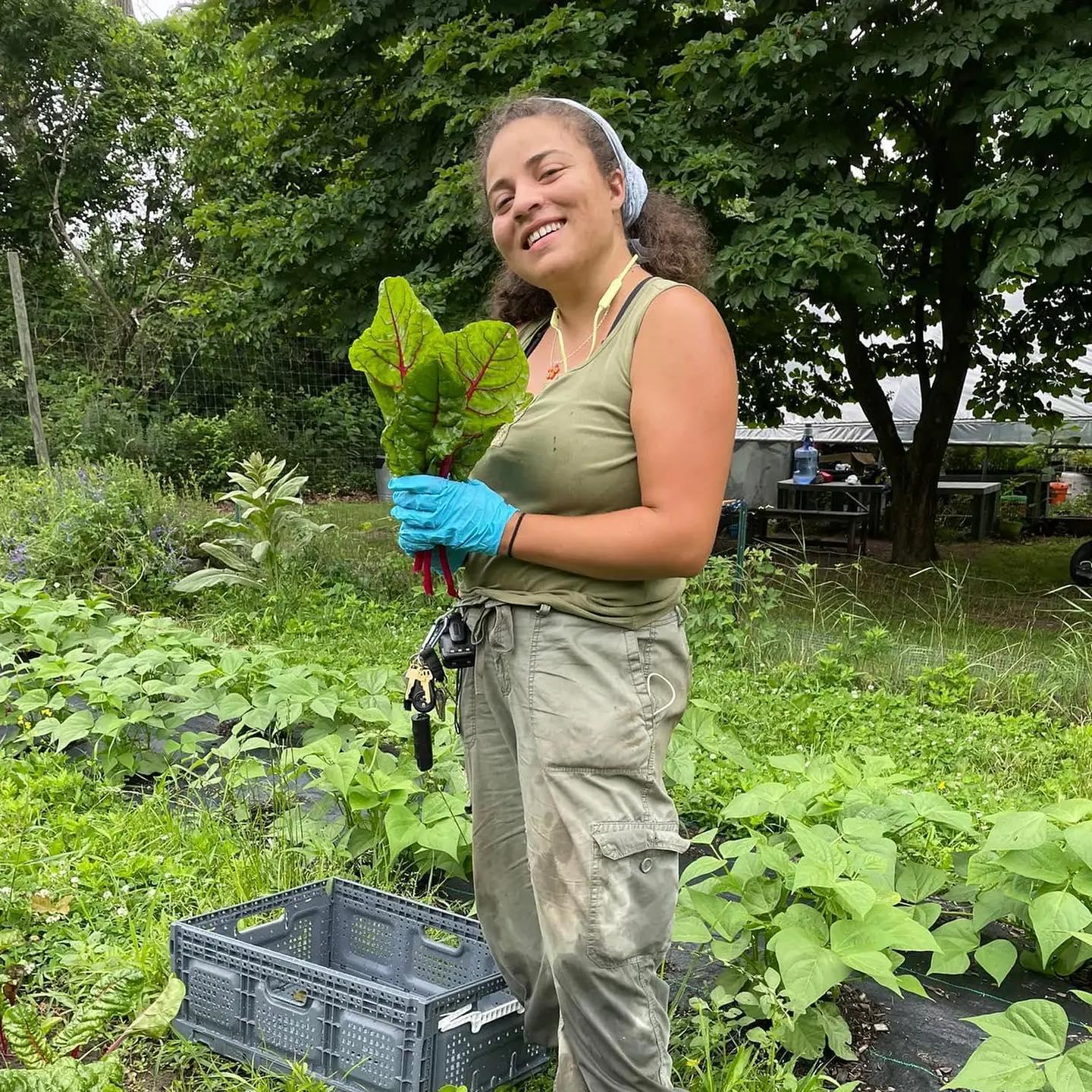
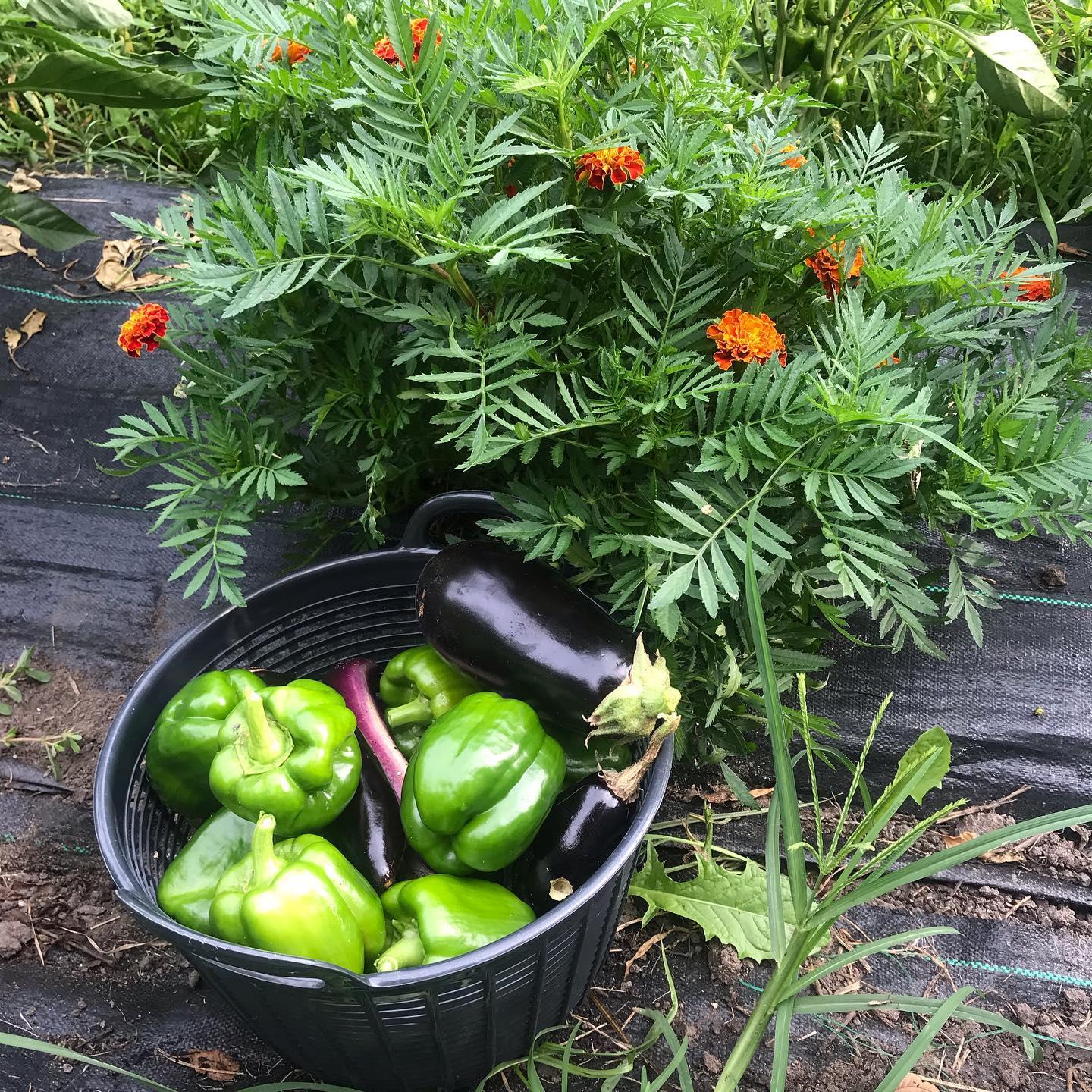
D-Town Farm, located within Detroit’s River Rouge Park, is a landmark urban agriculture initiative led by the Detroit Black Community Food Security Network (DBCFSN). Since its establishment in 2008, this seven-acre farm—the largest in Detroit—has embodied the organization’s commitment to food sovereignty, justice, and security for the city’s African American community. Each year, the farm cultivates over 30 varieties of fruits, vegetables, and herbs using sustainable and regenerative practices. Key operations include large-scale composting, rainwater retention, solar energy generation, and beekeeping, all of which support its ecological and educational missions. Beyond production, D-Town Farm serves as a community hub. From May through September, it hosts public events that offer educational and recreational opportunities for children and families. The farm also provides hands-on training for aspiring growers through internships and volunteer programs, fostering community engagement and agricultural skill development. Volunteers play a crucial role in daily operations, with ongoing opportunities available throughout the growing season. D-Town Farm’s mission extends beyond agriculture, serving as a platform for broader advocacy. By challenging barriers to food access, it addresses food deserts with a focus on empowerment and education. The farm supports the local economy by supplying fresh produce to restaurants, farmers markets, and residents, while its health-focused initiatives, such as the youth-centered Food Warriors Development Program, aim to reduce health disparities within the community. The DBCFSN’s work at D-Town Farm exemplifies a model of community cooperation and self-determination, promoting equity and justice in the food system. By engaging with both local and broader urban communities, D-Town Farm not only strengthens Detroit’s leadership in urban agriculture but also contributes to food justice movements nationwide. (Ref.1,2,3,4)
Overview
Nature-based solution
- Blue infrastructure
- Lakes/ponds
- Community gardens and allotments
- Community gardens
Key challenges
- Environmental quality
- Soil quality improvement
- Green space, habitats and biodiversity (SDG 15)
- Green space creation and/or management
- Water management (SDG 6)
- Flood protection
- Stormwater and rainfall management and storage
- Cultural heritage and cultural diversity
- Promotion of cultural diversity
- Preservation of historic traditions
- Health and well-being (SDG 3)
- Creation of opportunities for recreation
- Social justice, cohesion and equity (SDG 10)
- Social cohesion
- Social justice and equity
- Environmental education
- Sense of community and community engagement
- Economic development and employment (SDG 8)
- Economic development: agriculture
- Sustainable consumption and production (SDG 12)
- Sustainable consumption
- Sustainable production
- Food scarcity / security
Principal problems in Functional Urban Area (FUA)
- Land use and Socio-economic change
- Unequal availability and access to public green spaces
- Health, Well-being and Social cohesion
- Inadequate access to recreational opportunities
- Resource Scarcity and Competition
- Food insecurity due to disruptions in food production and distribution
Key priorities
Focus
Project objectives
Implementation activities
Main beneficiaries
- Citizens or community groups
- Young people and children
- Marginalized groups: Children, young people or youth groups , Disadvantaged ethnic or racial groups
Governance
Management set-up
- Led by non-government actors
Type of initiating organisation
- Non-government organisation/civil society
Participatory approaches/ community involvement
- Crowd-sourcing/Crowd-funding/Participatory budget
- Dissemination of information and education
- Joint implementation (e.g. tree planting)
- Co-management/Joint management
Details on the roles of the organisations involved in the project
Project implemented in response to ...
Type of enablers
Financing
Total cost
Source(s) of funding
- Public national budget
- Corporate investment
- Crowdfunding
- Private Foundation/Trust
Type of funding
- Earmarked public budget
- Direct funding (grants, subsidies, or self-financed projects by private entities)
- Donations
- Membership or entrance fees
Non-financial contribution
- Provision of labour
- Provision of expertise
- Citizens (e.g. volunteering)
Impacts and Monitoring
Environmental impacts
- Environmental quality
- Improved soil quality
- Achieved improved soil quality
- Water management and blue areas
- Increased protection against flooding
- Achieved increased protection against flooding
- Improved stormwater management
- Achieved improved stormwater management
- Green space and habitat
- Increased green space area
- Achieved increased green space area
- Increased number of species present
- Achieved increased number of species present
- Enhanced support of pollination
- Achieved enhanced support of pollination
Economic impacts
- Increase of green jobs (e.g. paid employment positions)
- Achieved increase of green jobs (e.g. paid employment positions)
- Generation of other type of work opportunities (e.g. voluntary, work for rehabilitation)
- Achieved generation of other type of work opportunities (e.g. voluntary, work for rehabilitation)
- More sustainable tourism
- Achieved more sustainable tourism
- Increase in agricultural production (for profit or not)
- Achieved increase in agricultural production (for profit or not)
- Generation of income from NBS
- Achieved generation of income from NBS
Socio-cultural impacts
- Social justice and cohesion
- Increased visibility and opportunity for marginalised groups or indigenous peoples
- Achieved increased visibility and opportunity for marginalised groups or indigenous peoples
- Increased opportunities for social interaction
- Achieved increased opportunities for social interaction
- Increased involvement of locals in the management of green spaces
- Achieved increased involvement of locals in the management of green spaces
- Increased access to healthy/affordable food
- Achieved increased access to healthy/affordable food
- Increased sustainability of agriculture practices
- Achieved increased sustainability of agriculture practices
- Cultural heritage and sense of place
- Promotion of cultural diversity
- Achieved promotion of cultural diversity
- Education
- Increased awareness of NBS and their benefits
- Achieved increased awareness of NBS and their benefits
Type of reported impacts
Presence of formal monitoring system
Presence of indicators used in reporting
Presence of monitoring/ evaluation reports
Availability of a web-based monitoring tool
Potential risks of implementation and trade-offs
References
 Information about this nature-based solution was collected as part of the Naturescapes project funded by the European Union under Grant Agreement No 101084341.