

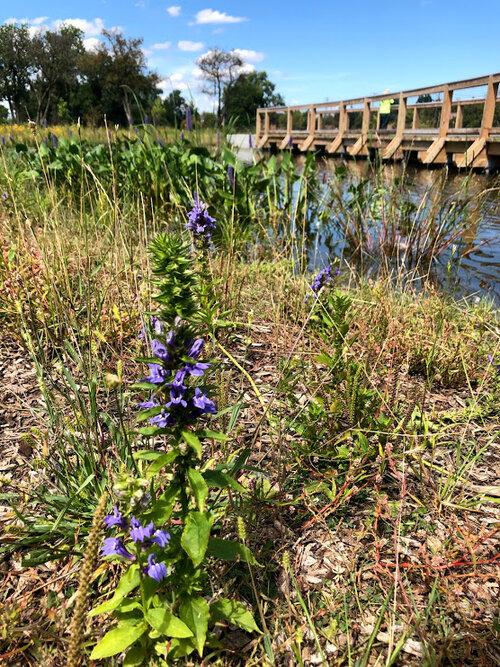
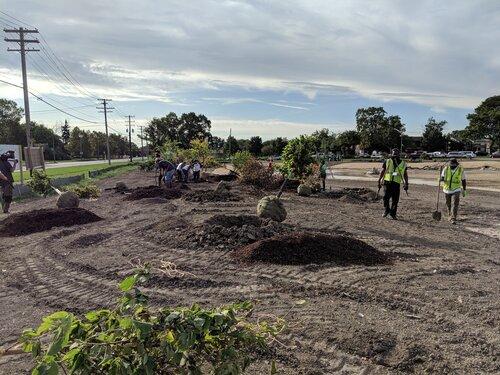
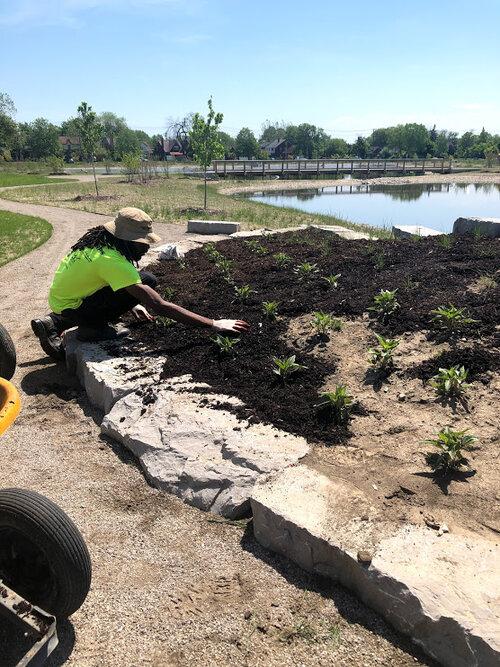
Chandler Park, a historic park in Detroit constructed in the 1800s, underwent multiple expansions from 1922 to 1950 to include amenities such as a pool (later converted into a water park), a golf course, and public green spaces. In 2013, an expert panel recommended constructing a 2.5-million-gallon marshland within the park to provide a unique recreational and educational feature and incorporate green infrastructure principles for improved stormwater management. Completed in December 2019, the Chandler Park marshland was a collaborative project between The Greening of Detroit and the Chandler Park Conservancy, designed to enhance Green Stormwater Infrastructure (GSI) across 200 acres. The marshland manages 2.5 million gallons of stormwater, substantially reducing the load on Detroit’s combined sewer system and minimizing basement flooding during heavy rains. Engineered with rain gardens, bioswales, and a pump system circulating up to 4 feet of water, the marshland fosters a balanced ecosystem with higher oxygen levels, benefiting local flora and fauna. With 4,500 native plants, the marshland supports diverse wildlife, including migrating birds, turtles, frogs, pollinators like bees and butterflies, and natural mosquito predators. This project not only contributes to flood mitigation but also improves water quality by capturing stormwater and allowing pollutants to settle. Additionally, the marshland provides a foundation for future environmental education, with plans to add an outdoor classroom and public learning spaces. The use of native plants ensures low maintenance and sustainability, requiring minimal water and fertilizers. By creating new habitats and recreational areas, the Chandler Park Marshland promotes biodiversity, environmental education, and community engagement, while alleviating urban runoff’s impact on Detroit’s sewer system. (Ref.1-3)

Overview
Nature-based solution
- Blue infrastructure
- Lakes/ponds
- In-land wetlands, peatlands, swamps, and moors
- Green areas for water management
- Rain gardens
- Swales and filter strips
- Parks and urban forests
- Large urban parks or forests
Key challenges
- Climate action for adaptation, resilience and mitigation (SDG 13)
- Climate change adaptation
- Green space, habitats and biodiversity (SDG 15)
- Green space creation and/or management
- Habitat and biodiversity restoration
- Water management (SDG 6)
- Flood protection
- Stormwater and rainfall management and storage
- Improvements to water quality
- Health and well-being (SDG 3)
- Creation of opportunities for recreation
- Enabling opportunities for physical activity
- Inclusive and effective governance (SDG 16)
- Inclusive governance
- Social justice, cohesion and equity (SDG 10)
- Social justice and equity
- Social interaction
- Environmental education
Principal problems in Functional Urban Area (FUA)
- Climate-Related Hazards
- Urban flooding (stormwater)
- Environmental Degradation
- Biodiversity loss
- Health, Well-being and Social cohesion
- Disconnection from nature
- Poor community engagement
Key priorities
Focus
Project objectives
Implementation activities
Climate-focused activities
Climate change adaptation:
- Implement sustainable urban drainage schemes to manage stormwater
Biodiversity conservation or restoration-focused activities
Biodiversity restoration:
- Rehabilitate and restore damaged or destroyed ecosystems
- Restore species (native, endangered, or unspecified)
Main beneficiaries
- Local government/Municipality
- Citizens or community groups
- Young people and children
Governance
Management set-up
- Led by non-government actors
Type of initiating organisation
- Non-government organisation/civil society
Participatory approaches/ community involvement
- Co-planning (e.g. stakeholder workshops, focus groups, participatory mapping)
- Dissemination of information and education
- Joint implementation (e.g. tree planting)
- Co-management/Joint management
Details on the roles of the organisations involved in the project
Project implemented in response to ...
Type of enablers
Financing
Total cost
Source(s) of funding
- Public local authority budget
- Public national budget
- Private Foundation/Trust
Type of funding
- Earmarked public budget
- Direct funding (grants, subsidies, or self-financed projects by private entities)
Non-financial contribution
- Provision of land
- Provision of expertise
- Public authorities (e.g. land, utility services)
- Citizens (e.g. volunteering)
Impacts and Monitoring
Environmental impacts
- Water management and blue areas
- Improved water quality
- Expected improved water quality
- Increased protection against flooding
- Expected increased protection against flooding
- Improved stormwater management
- Expected improved stormwater management
- Green space and habitat
- Increased green space area
- Achieved increased green space area
- Increased number of species present
- Expected increased number of species present
- Enhanced support of pollination
- Achieved enhanced support of pollination
Economic impacts
- Unknown
Socio-cultural impacts
- Social justice and cohesion
- Increased opportunities for social interaction
- Achieved increased opportunities for social interaction
- Education
- Increased support for education and scientific research
- Achieved increased support for education and scientific research
- Increased knowledge of locals about local nature
- Expected increased knowledge of locals about local nature
Type of reported impacts
Presence of formal monitoring system
Presence of indicators used in reporting
Presence of monitoring/ evaluation reports
Availability of a web-based monitoring tool
Potential risks of implementation and trade-offs
References





 Information about this nature-based solution was collected as part of the Naturescapes project funded by the European Union under Grant Agreement No 101084341.