

Last updated: January 2023
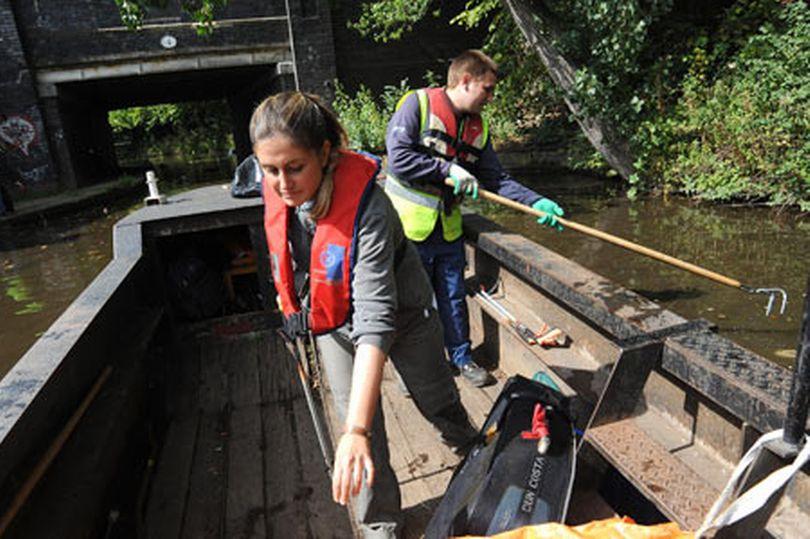
“The Living Environment Trust is an environmental charity based in Coventry, which aims to promote environmental and sustainability awareness within local communities. Accordingly, the Trust uses the restoration of neglected inner-city green spaces as a way to engage a range of community groups, whilst also serving to enhance and expand the existing biodiversity and develop important community and educational resources.” (Ref. 1) “The Living Environment Trust was formed in 2007 to transform the neglected land around the Alan Higgs Centre into a community ecological and leisure resource.” (Ref. 2)
Source: Ref. 2
Overview
Nature-based solution
- Blue infrastructure
- Lakes/ponds
- Rivers/streams/canals/estuaries
- Community gardens and allotments
- Other
- Green areas for water management
- Swales and filter strips
- Sustainable urban drainage systems
- Grey infrastructure featuring greens
- Green playgrounds and school grounds
Key challenges
- Green space, habitats and biodiversity (SDG 15)
- Habitat and biodiversity conservation
- Green space creation and/or management
- Water management (SDG 6)
- Improvements to water quality
- Cultural heritage and cultural diversity
- Protection of historic and cultural landscape/infrastructure
- Health and well-being (SDG 3)
- Enabling opportunities for physical activity
- Creation of opportunities for recreation
- Social justice, cohesion and equity (SDG 10)
- Social justice and equity
- Social interaction
- Environmental education
Focus
Maintenance and management of urban nature, Management and improved protection of rivers and other blue areas, Knowledge creation and awareness raising
Project objectives
“The Living Environment Trust aims to promote environmental and sustainability awareness within local communities. The Trust uses the restoration of neglected inner-city green spaces as a way to engage a range of community groups, [especially youth], whilst also serving to enhance and expand the existing biodiversity and develop important community and educational resources.” (Ref 1)
Another key aim is “maintaining and restoring the 5 ½ mile stretch of the Coventry Canal (an invaluable educational resource, as well as crucial habitat for wildlife, within an urban context). (Ref. 1)
Implementation activities
- The Trust (which is responsible for the environmental management at The Alan Higgs Centre) has undertaken measures such as plantation of the swales present on-site with local reeds, in order to reduce the impact of the leisure activities onto the surrounding environment (a key element to the development of the Sustainable Urban Drainage Systems that have been integrated into the site).
- Other measures include A Sensory Garden (implemented at The Alan Higgs Centre) to enable people with disabilities to experience nature. (Ref. 3)
- Measures undertaken with the aim to enhance biodiversity include a Butterfly Garden and Wildlife Pond at The Alan Higgs Centre; and the Trust has involved in habitat improvement works for key species along the Coventry canal. (Ref. 4, 1)
- A natural play area (i.e. Xcel Natural Play Area) has been installed (aiming to maximize the usage of greenspaces in Canley). (Ref. 5)
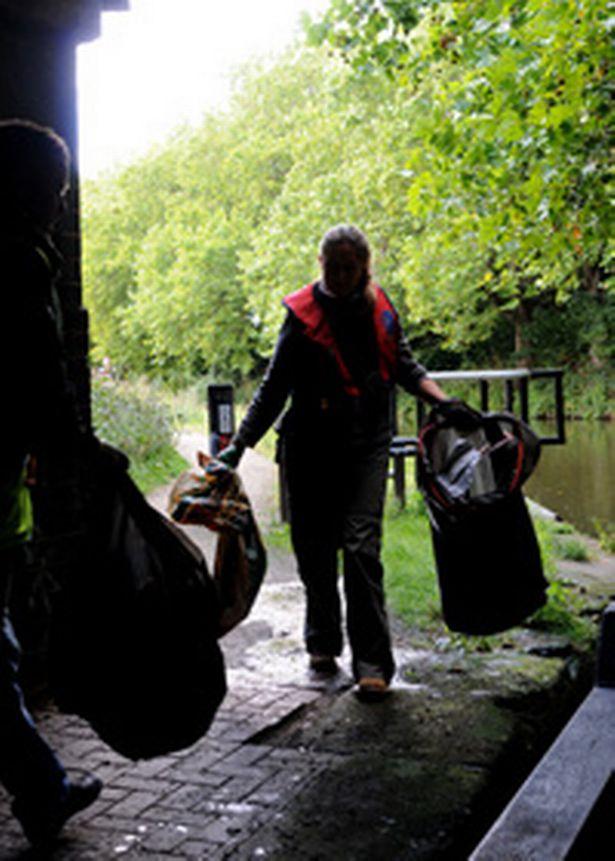
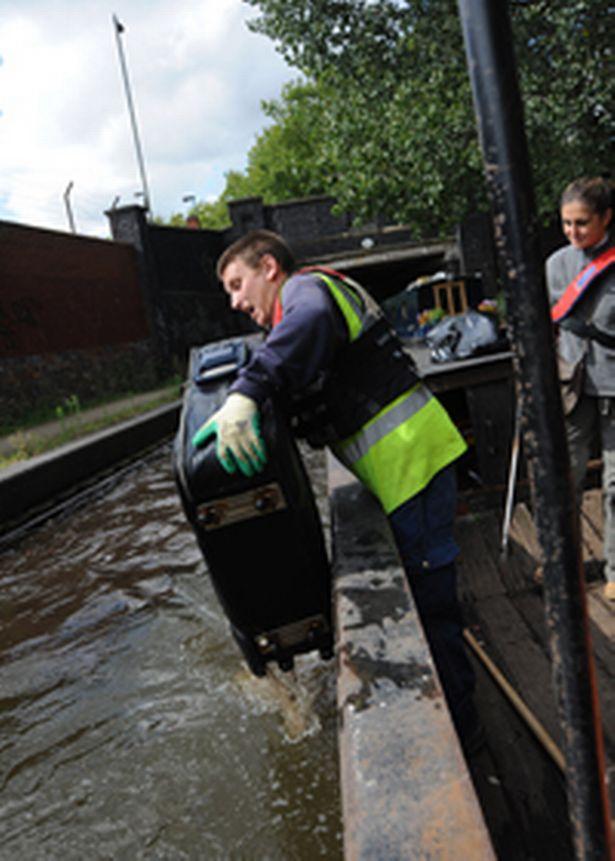
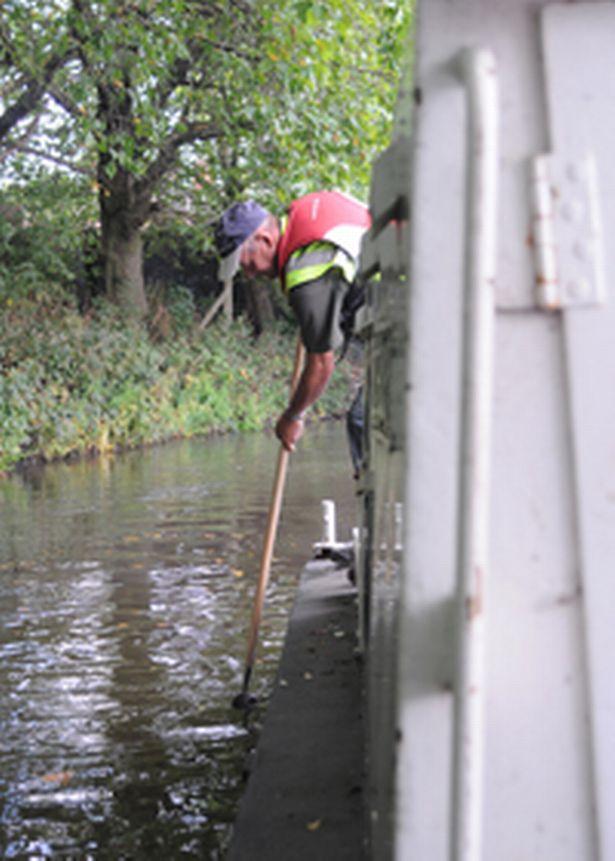
- Operating a clean-up boat along the Coventry Canal to clean water on a weekly basis (Ref. 1)
- Informal and semi-informal environmental programmes including educational packages in schools and children’s ‘green parties’ (Ref. 1)
Biodiversity conservation or restoration-focused activities
Biodiversity conservation:
- Protect and enhance urban habitats
- Preserve and strengthen existing habitats and ecosystems
- Reduce negative impacts and avoid the alteration/damage of ecosystem
- Protect species
- Undertake specific measures to protect species
- Undertake specific measures to protect valued species
- Means for conservation governance
- Raise public awareness
- Public engagement
Main beneficiaries
- Citizens or community groups
- Marginalized groups: People with functional diversities
Governance
Management set-up
- Led by non-government actors
Type of initiating organisation
- Non-government organisation/civil society
Participatory approaches/ community involvement
- Co-planning (e.g. stakeholder workshops, focus groups, participatory mapping)
- Consultation (e.g. workshop, surveys, community meetings, town halls)
- Joint implementation (e.g. tree planting)
Details on the roles of the organisations involved in the project
The Living Environment Trust is responsible for the environmental management at the Alan Higgs Centre. (Ref. 3) The Trust places a significant emphasis on the value of community partnerships and engaging local people both consultatively and practically in the delivery of community based environmental projects. (Ref. 1) The Trust collaborates with different partners, including Coventry City Council, Prince’s Trust, National Probation Service, Fresh Start, Students with Severe Learning Difficulties and Disabilities. (Ref. 3, 5)
(with regard to the Xcel Natural Play Area): Funding obtained by Coventry City Council thorough Playbuilder, a funding scheme run by Play England that seeks to develop outdoor play areas that encourage unstructured play within the natural environment. (Ref. 9)
Sensory Garden project: Coca Cola donated £350 for the purchase of all of the plants. (Ref. 3)
Project implemented in response to ...
... an EU policy or strategy?
Unknown
... a national policy or strategy?
Yes
(With regards to the sub-project ‘Wildlife Pond at The Alan Higgs Centre’: “Wetlands are classified as key habitats under the UK Biodiversity Action Plan. Accordingly, the Trust recognised the potential for the The Alan Higgs Centre to contribute to achieving BAP’s targets, developing a wildlife pond. (Ref. 4) )
... a local policy or strategy?
Unknown
Financing
Total cost
€50,000 - €100,000
Source(s) of funding
- Corporate investment
- Funds provided by non-governmental organization (NGO)
- Other
Type of funding
- Direct funding (grants, subsidies, or self-financed projects by private entities)
- Donations
- Other
Non-financial contribution
Type of non-financial contribution
- Provision of goods
- Provision of labour
- Other
Who provided the non-financial contribution?
- Other
Impacts and Monitoring
Environmental impacts
- Water management and blue areas
- Improved water quality
- Increased protection against flooding
- Green space and habitat
- Increased green space area
- Increased conservation or restoration of ecosystems
- Enhanced support of pollination
- Other
Economic impacts
- Unknown
Socio-cultural impacts
- Social justice and cohesion
- Improved social cohesion
- Improved access to urban green space
- Increased visibility and opportunity for marginalised groups or indigenous peoples
- Increased opportunities for social interaction
- Increased involvement of locals in the management of green spaces
- Health and wellbeing
- Improved physical health
- Improved mental health
- Gain in activities for recreation and exercise
- Cultural heritage and sense of place
- Protection of historic and cultural landscape / infrastructure
- Education
- Increased knowledge of locals about local nature
- Increased awareness of NBS and their benefits
- Safety
- Decreased crime rates
- Other
Type of reported impacts
Expected impacts, Achieved impacts
Presence of formal monitoring system
Unknown
Presence of indicators used in reporting
No evidence in public records
Presence of monitoring/ evaluation reports
No evidence in public records
Availability of a web-based monitoring tool
No evidence in public records
References
Ref. 1. Coventry Sports Foundation (n.d.) The Living Environment Trust. [Not available in 2020].
Ref. 2. Coventry Telegraph (2011) The team that are keeping Coventry Canal clean. Griffin, M. Sep. 2011. Available at: Source link [Accessed 24 August 2020].
Ref. 3. Coventry Sports Foundation (n.d.) Environmental Community Projects. The Living Environment Trust. [Not available in 2020].
Ref. 4. Coventry Sports Foundation (n.d.) Habitat Creation and Restoration. The Living Environment Trust. [Not available in 2020].
Ref. 5. Coventry Sports Foundation (n.d.) Environmental Masterplanning. The Living Environment Trust. [Not available in 2020].
Ref. 6. Coventry City Council (2016) Committee Report. Land adjacent to the south of Alan Higgs Centre Allard Way. [Not available in 2020].
Ref. 7. Warwickshire Museum and Natural Environment (2011) Sub-regional Green Infrastructure Strategy. Warwickshire, Coventry & Solihull. [Document provided].
Ref. 8. Coventry City Council (n.d.) Coventry Canal. Available at: Source link [Accessed 24 August 2020].
Ref. 9. Coventry Sports Foundation (n.d.) Environmental Project Management. The Living Environment Trust. [Not available in 2020].
Ref. 10. Heritage Open Days (2017) Coventrian Narrow Boat operated by the Living Environment Trust. [Not available in 2020].
Ref. 11. WASPS RFC (2016) Ecological Appraisal, Alan Higgs Centre. Coventry. [Document provided].
Ref. 2. Coventry Telegraph (2011) The team that are keeping Coventry Canal clean. Griffin, M. Sep. 2011. Available at: Source link [Accessed 24 August 2020].
Ref. 3. Coventry Sports Foundation (n.d.) Environmental Community Projects. The Living Environment Trust. [Not available in 2020].
Ref. 4. Coventry Sports Foundation (n.d.) Habitat Creation and Restoration. The Living Environment Trust. [Not available in 2020].
Ref. 5. Coventry Sports Foundation (n.d.) Environmental Masterplanning. The Living Environment Trust. [Not available in 2020].
Ref. 6. Coventry City Council (2016) Committee Report. Land adjacent to the south of Alan Higgs Centre Allard Way. [Not available in 2020].
Ref. 7. Warwickshire Museum and Natural Environment (2011) Sub-regional Green Infrastructure Strategy. Warwickshire, Coventry & Solihull. [Document provided].
Ref. 8. Coventry City Council (n.d.) Coventry Canal. Available at: Source link [Accessed 24 August 2020].
Ref. 9. Coventry Sports Foundation (n.d.) Environmental Project Management. The Living Environment Trust. [Not available in 2020].
Ref. 10. Heritage Open Days (2017) Coventrian Narrow Boat operated by the Living Environment Trust. [Not available in 2020].
Ref. 11. WASPS RFC (2016) Ecological Appraisal, Alan Higgs Centre. Coventry. [Document provided].
Source: Ref. 2
Source: Ref. 2
Source: Ref. 2