

Last updated: October 2021
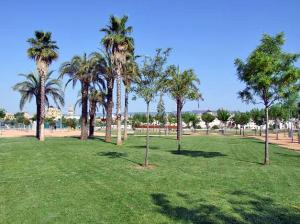
“The park, inaugurated in May 2003, [was] part of a 1990s project aimed at recovering the ancient canal, combining social needs and providing a space for citizens to spend their free time.” (Ref. 7) It is located on the south bank of the Guadalquivir river (Ref. 7), and today serves as a space for “leisure, sports, and intergenerational coexistence” (Ref. 1)
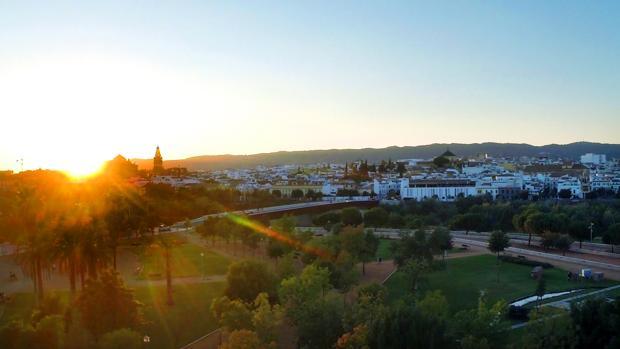
Source: Ref. 10, Rafael Carmona
Overview
Nature-based solution
- Parks and urban forests
- Large urban parks or forests
- Community gardens and allotments
- Community gardens
Key challenges
- Water management (SDG 6)
- Flood protection
- Stormwater and rainfall management and storage
- Green space, habitats and biodiversity (SDG 15)
- Habitat and biodiversity restoration
- Green space creation and/or management
- Regeneration, land-use and urban development
- Regulation of built environment
- Promote natural styles of landscape design for urban development
- Social justice, cohesion and equity (SDG 10)
- Environmental education
- Social justice and equity
- Social cohesion
- Social interaction
- Health and well-being (SDG 3)
- Enabling opportunities for physical activity
- Creation of opportunities for recreation
- Cultural heritage and cultural diversity
- Preservation of natural heritage
- Protection of historic and cultural landscape/infrastructure
- Promotion of cultural diversity
- Preservation of historic traditions
Focus
Creation of new green areas, Maintenance and management of urban nature, Management and improved protection of rivers and other blue areas
Project objectives
The Miraflores Park aims to provide opportunities for:
-Urban regeneration through more green areas in the city (Ref. 2)
-Ecosystem restoration and landscape recovery (Ref. 7)
-Relating to the natural environment (Ref. 1)
-Leisure and sport (Ref. 1)
-Intergenerational citizen coexistence (Ref. 1)
Implementation activities
Planning & Design – the design and terraces have been created in order to prevent from flood damages from the river (Ref 4); Greener area in the city (Regional and local plan) (Ref. 2); Recovering 'very degraded and uninhabited area' (Ref. 10)
Vegetation – Terraces against flood damages are also constructed, for which "several plant species have been planted in the park in the natural context of the river, with the aim of restoring the natural ecosystem of Guadalquivir and promoting a landscaping recovery program that not only involves the natural aspect, but also the historic buildings and monuments" (Ref. 7)
Gardens – 'family garden' space for learning about horticulture, healthy foods, intergenerational relations (Ref. 1)
Gardening Tables – made of sustainable materials and organic products; designed to provide a comfortable working environment for people of all ages and physical abilities (offering a height ideal for the elderly and those in wheelchairs) (Ref. 1)
Recreational Space & Activities – availability of amenities such as parkour, playgrounds, sports equipment/ areas to encourage healthy living & social interaction (Ref. 1)
Biodiversity conservation or restoration-focused activities
Biodiversity restoration:
- Rehabilitate and restore damaged or destroyed ecosystems
- Restore species (native, endangered, or unspecified)
- Restore native species
- Restore ecological connectivity
Main beneficiaries
- Local government/Municipality
- Citizens or community groups
- Marginalized groups: Elderly people, People with functional diversities, Other
- Young people and children
Governance
Management set-up
- Government-led
Type of initiating organisation
- Local government/municipality
- Other
Participatory approaches/ community involvement
- Dissemination of information and education
Details on the roles of the organisations involved in the project
The City Council of Cordoba (through the municipal company Procórdoba) is financing this park (Ref. 9), and it was designed by the architect Juan Cuenca Montilla (Ref. 7).
Project implemented in response to ...
... an EU policy or strategy?
Unknown
... a national policy or strategy?
Unknown
... a local policy or strategy?
Unknown
Financing
Total cost
€2,000,000 - €4,000,000
Source(s) of funding
- Public local authority budget
- Other
Type of funding
- Earmarked public budget
- Other
Non-financial contribution
Unknown
Impacts and Monitoring
Environmental impacts
- Climate change
- Strengthened capacity to address climate hazards/natural disasters
- Green space and habitat
- Promotion of naturalistic styles of landscape design for urban development
- Increased green space area
- Increased conservation or restoration of ecosystems
- Increased conversion of degraded land or soil
- Restoration of derelict areas
- Other
Economic impacts
- Other
Socio-cultural impacts
- Social justice and cohesion
- Improved social cohesion
- Fair distribution of social, environmental and economic benefits of the NBS project
- Improved access to urban green space
- Increased visibility and opportunity for marginalised groups or indigenous peoples
- Increased opportunities for social interaction
- Increased access to healthy/affordable food
- Health and wellbeing
- Improved physical health
- Gain in activities for recreation and exercise
- Cultural heritage and sense of place
- Protection of historic and cultural landscape / infrastructure
- Increased awareness of flora and fauna as culturally and historically meaningful
- Education
- Increased knowledge of locals about local nature
- Other
Type of reported impacts
Achieved impacts
Presence of formal monitoring system
Unknown
Presence of indicators used in reporting
No evidence in public records
Presence of monitoring/ evaluation reports
No evidence in public records
Availability of a web-based monitoring tool
No evidence in public records
References
1. Ayuntamiento de Cordoba (n.d). "Miraflores". Delagación de Infraestructuras. [Document provided].
2. Ayuntamiento de Cordoba (2003). "ORDENANZA MUNICIPAL DE PROTECCIÓN DEL MEDIO AMBIENTE URBANO EN RELACIÓN CON LAS ZONAS VERDES (B.O.P. nº.62, de 17 de marzo de 1997)" . [Document provided].
3. Ayuntamiento de Cordoba (n.d). "Miraflores". Delagación de Infraestructuras. [Document provided].
4. Marcelino (2009). "Parque Miraflores". Source link. [Not available in 2020].
5. Sapos y Princesas (n.d). "Parque de Miraflores". Source link. [Not available in 2020].
6. Leña, Isabel (2015). "De Miraflores al Parque Joyero". Source link. Available at: Source link [Accessed 12 September 2020].
7. Guida Spagna (n.d). "Parque de Miraflores". Source link. Available at: Source link [Accessed 12 September 2020].
8. Diario Cordoba. (2003). "Miraflores, listo para ´acoger´ el edificio previsto". Source link. Available at: Source link [Accessed 12 September 2020].
9. Diario Cordoba. (2003). "El Parque de Miraflores costará un 35% más". Source link. Available at: Source link [Accessed 12 September 2020].
10. Miranda, L. (2018). Miraflores, la historia del parque que no rodeó a la Córdoba del future. ABCdesevilla. Available at: Source link [Accessed 12 September 2020].
2. Ayuntamiento de Cordoba (2003). "ORDENANZA MUNICIPAL DE PROTECCIÓN DEL MEDIO AMBIENTE URBANO EN RELACIÓN CON LAS ZONAS VERDES (B.O.P. nº.62, de 17 de marzo de 1997)" . [Document provided].
3. Ayuntamiento de Cordoba (n.d). "Miraflores". Delagación de Infraestructuras. [Document provided].
4. Marcelino (2009). "Parque Miraflores". Source link. [Not available in 2020].
5. Sapos y Princesas (n.d). "Parque de Miraflores". Source link. [Not available in 2020].
6. Leña, Isabel (2015). "De Miraflores al Parque Joyero". Source link. Available at: Source link [Accessed 12 September 2020].
7. Guida Spagna (n.d). "Parque de Miraflores". Source link. Available at: Source link [Accessed 12 September 2020].
8. Diario Cordoba. (2003). "Miraflores, listo para ´acoger´ el edificio previsto". Source link. Available at: Source link [Accessed 12 September 2020].
9. Diario Cordoba. (2003). "El Parque de Miraflores costará un 35% más". Source link. Available at: Source link [Accessed 12 September 2020].
10. Miranda, L. (2018). Miraflores, la historia del parque que no rodeó a la Córdoba del future. ABCdesevilla. Available at: Source link [Accessed 12 September 2020].
Source: Ref. 7