

Last updated: October 2021
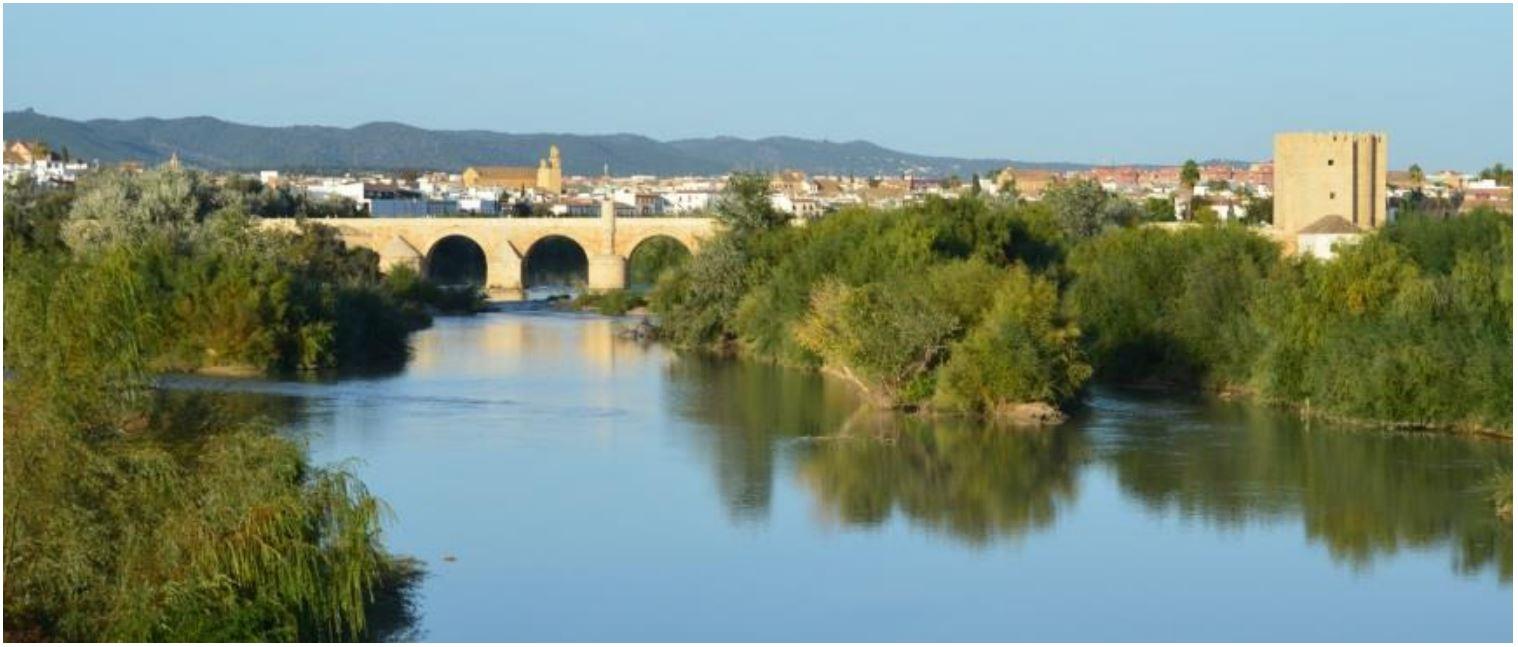
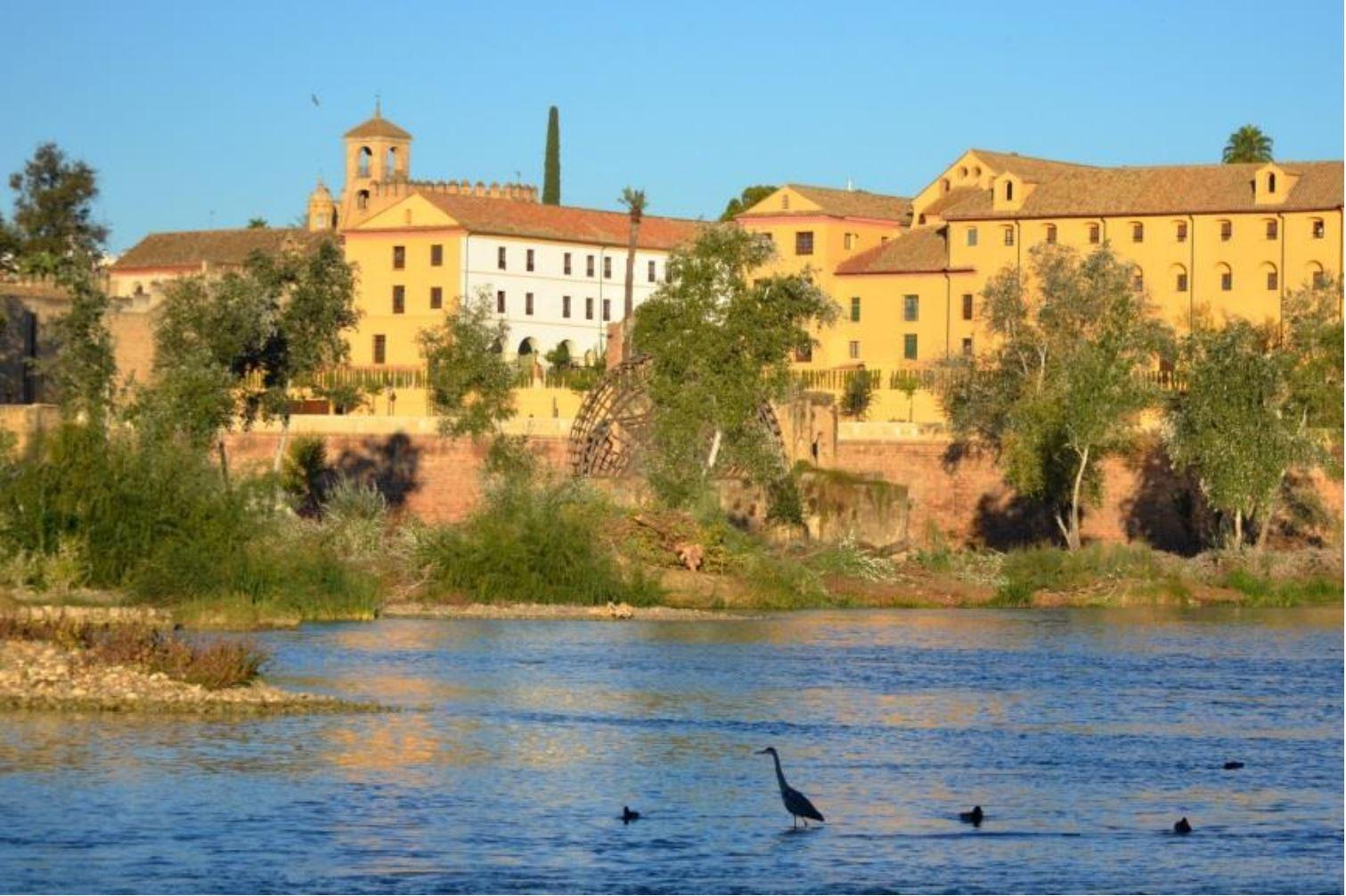
“The Guadalquivir River offers some of the best landscape, ecological and environmental values. There is an exceptional variety of flora and fauna and the river is considered as one of the main lungs of the city and as a privileged area for the residents”. (Ref. 12) The river is an essential element of Cordoba, having been declared a natural monument in 2001. (Ref 3, p.4) There are ongoing efforts to maintain and restore the river as a natural and cultural heritage site (Ref. 1,2,5,8,9) and a space for recreational activities (Ref. 12).

Source: Ref. 6
Overview
Nature-based solution
- Grey infrastructure featuring greens
- Blue infrastructure
- Riverbank/Lakeside greens
- Rivers/streams/canals/estuaries
Key challenges
- Water management (SDG 6)
- Improvements to water quality
- Green space, habitats and biodiversity (SDG 15)
- Habitat and biodiversity restoration
- Health and well-being (SDG 3)
- Creation of opportunities for recreation
- Cultural heritage and cultural diversity
- Preservation of natural heritage
- Protection of historic and cultural landscape/infrastructure
- Preservation of historic traditions
Focus
Maintenance and management of urban nature, Ecological restoration of ecosystems, Protection of natural ecosystems, Management and improved protection of rivers and other blue areas
Project objectives
Efforts along the Guadalquivir River aim to achieve the following:
-Environmental restoration of the natural habitat of the Guadalquivir riverbank (Ref. 1,2,5,8,9)
-Preservation of Natural Heritage and Cultural Heritage (Restoration of the Molinos de Martos) (Ref. 2)
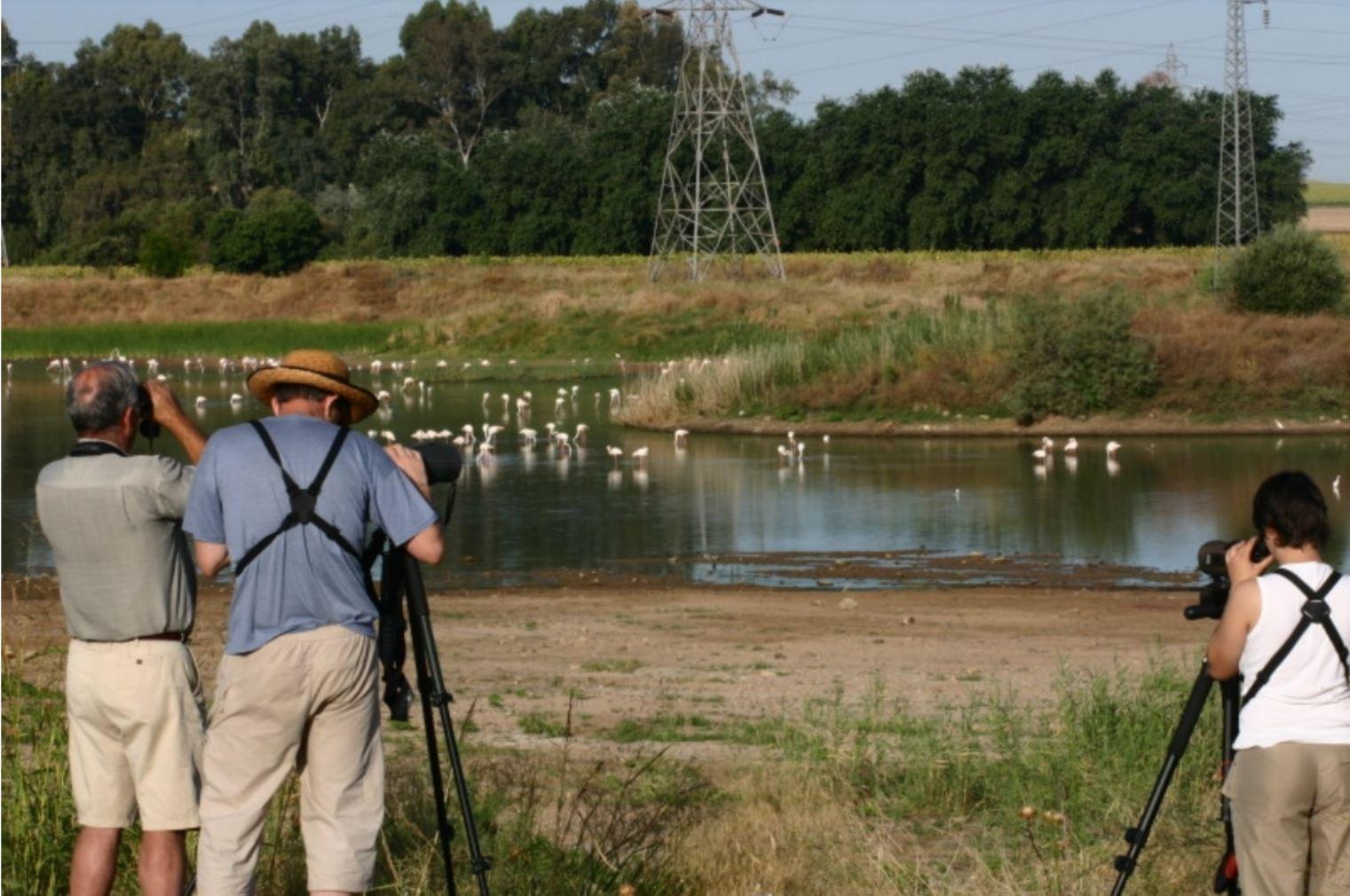
-Opportunities for recreation, such as sports and leisure spaces and activities (Ref 9,11,12)
Implementation activities
- "In the nineties, the Special River Guadalquivir Plan was drawn up to restore the Guadalquivir to its former role as the backbone of Cordoba." (Ref 1, Pages 14,15)
-Plan of revegetation and preventing invasive species (Ref. 2,5)
-This intervention also contemplates the planting of native tree species typical of riverside, which will contribute to soil fixation and the improvement of river habitat (Ref. 2)
-Posters to raise public awareness of need to take care of river and prohibit throwing garbage and belongings into riverbed (Ref. 5)
-Cleaning of urban waste, vegetation and sludge accumulated in the channel (project back in 2013) to improve water flowing (Ref 5)
-Plan for the implementation of a wood fences along the riverbank in the city in order to protect the area (Ref. 2)
-Installation of fences to protect the habitat and regeneration of plants (Ref. 2)
Biodiversity conservation or restoration-focused activities
Biodiversity restoration:
- Rehabilitate and restore damaged or destroyed ecosystems
- Clear and control invasive alien species
- Public engagement
Main beneficiaries
- National-level government
- Local government/Municipality
- Non-government organisation/Civil Society
- Citizens or community groups
Governance
Management set-up
- Co-governance with government and non-government actors
Type of initiating organisation
- National government
- Regional government
- Local government/municipality
- Non-government organisation/civil society
Participatory approaches/ community involvement
- Dissemination of information and education
- Joint implementation (e.g. tree planting)
- Citizen science
Details on the roles of the organisations involved in the project
- The Goverment of Spain including the regional and the local municipality agents are behind this project (Ref. 2, page 1).
- Guadalquivir Hydrographic Confederation (Regional entity of the Spanish Government) is in charge of the works of restoration and maintenance: "The works for the cleaning and environmental recovery of the Guadalquivir River as it passes through Cordoba, which is being developed by the Guadalquivir Hydrographic Confederation (CHG), an agency under the Ministry of Agriculture, Food and Environment" (Ref. 4).
-Environmental protection groups under "The Platform for a Rio Vivo" are also involved with a proposal of conservation (Ref. 11)
Project implemented in response to ...
... an EU policy or strategy?
Unknown
... a national policy or strategy?
Yes
(National Hydrological Plan (Ref. 8)
Commitment of the Government of Mariano Rajoy (Prime Minister of Spain) with the City of Cordoba: "The Government demonstrates the commitment with this city", "with this action we continue working so that the people of Córdoba can continue enjoying their river"." (Ref. 2, page 1))
... a local policy or strategy?
Unknown
Financing
Total cost
€2,000,000 - €4,000,000
Source(s) of funding
- Public national budget
Type of funding
- Earmarked public budget
- Direct funding (grants, subsidies, or self-financed projects by private entities)
Non-financial contribution
Unknown
Impacts and Monitoring
Environmental impacts
- Environmental quality
- Improved soil quality
- Water management and blue areas
- Improved water quality
- Improved stormwater management
- Enhanced protection and restoration of freshwater ecosystems
- Green space and habitat
- Increased conservation or restoration of ecosystems
- Improved prevention or control of invasive alien species
- Increased spread of native/heirloom/open-pollinated seed
- Increased ecological connectivity across regeneration sites and scales
- Other
Economic impacts
- Unknown
Socio-cultural impacts
- Social justice and cohesion
- Improved access to urban green space
- Health and wellbeing
- Gain in activities for recreation and exercise
- Cultural heritage and sense of place
- Protection of natural heritage
- Increased appreciation for natural spaces
- Education
- Increased knowledge of locals about local nature
- Increased awareness of NBS and their benefits
Type of reported impacts
Expected impacts, Achieved impacts
Presence of formal monitoring system
Unknown
Presence of indicators used in reporting
No evidence in public records
Presence of monitoring/ evaluation reports
No evidence in public records
Availability of a web-based monitoring tool
No evidence in public records
References
1. Ayuntamiento de Cordoba (n.d). "Córdoba Patrimonio Natural". Source link.
Available at: Source link [Accessed 11 September 2020].
2. Gobierno de España (2016). Delegación del Gobierno en Andualucía. "Nota de Prensa" [Document provided].
3. Peinazo,D. & Sánchez, J.M. (2014). "Aves en el Guadalquivir a su paso por Córdoba". Source link.
Available at: Source link [Accessed 11 September 2020]. [Document provided].
4. Anon. (2013). "Los trabajos para la recuperación del Guadalquivir a su paso por Córdoba están al 70% de ejecución". Source link. Available at: Source link [Not available in 2020].
5. Europe press - Andalucía (2013). "Concluyen los trabajos de limpieza del río Guadalquivir en la capital con una inversión de casi 1,9 millones". Source link. Available at: Source link [Accessed 11 September 2020].
6. Cordobahoy (2017). "Por un Río Vivo retira una serpiente de peluche del río y pide limpieza en la zona" Source link.
Available at: Source link [Accessed 11 September 2020].
7. Anon (2013). "CORDOBA SE DA CUENTA DE QUE TIENE UN RIO". Source link. Available at: Source link [Accessed 11 September 2020].
8. Garcia Higueras, Julia (2003). "La remodelación del río va llegando a su fin". Source link. Available at: Source link [Accessed 11 September 2020].
9. Description of the biodiversity and natural and social benefits of the river passing through the city. [Document provided].
10. Guadalquivir Hydrographic Confederation. Available at: Source link [Accessed 11 September 2020].
11. Plataforma por un río vivo (n.d). "PROPUESTAS CIUDADANAS POR UN RÍO VIVO". [Document provided].
12. Teodosio (n.d.). 684 CÓRDOBA. HIDROGRAFÍA. GUADALQUIVIR Y MEDIO AMBIENTE. EL MONUMENTO NATURAL LOS SOTOS DE LA ALBOLAFIA. Available at: Source link [Accessed 11 September 2020].
Available at: Source link [Accessed 11 September 2020].
2. Gobierno de España (2016). Delegación del Gobierno en Andualucía. "Nota de Prensa" [Document provided].
3. Peinazo,D. & Sánchez, J.M. (2014). "Aves en el Guadalquivir a su paso por Córdoba". Source link.
Available at: Source link [Accessed 11 September 2020]. [Document provided].
4. Anon. (2013). "Los trabajos para la recuperación del Guadalquivir a su paso por Córdoba están al 70% de ejecución". Source link. Available at: Source link [Not available in 2020].
5. Europe press - Andalucía (2013). "Concluyen los trabajos de limpieza del río Guadalquivir en la capital con una inversión de casi 1,9 millones". Source link. Available at: Source link [Accessed 11 September 2020].
6. Cordobahoy (2017). "Por un Río Vivo retira una serpiente de peluche del río y pide limpieza en la zona" Source link.
Available at: Source link [Accessed 11 September 2020].
7. Anon (2013). "CORDOBA SE DA CUENTA DE QUE TIENE UN RIO". Source link. Available at: Source link [Accessed 11 September 2020].
8. Garcia Higueras, Julia (2003). "La remodelación del río va llegando a su fin". Source link. Available at: Source link [Accessed 11 September 2020].
9. Description of the biodiversity and natural and social benefits of the river passing through the city. [Document provided].
10. Guadalquivir Hydrographic Confederation. Available at: Source link [Accessed 11 September 2020].
11. Plataforma por un río vivo (n.d). "PROPUESTAS CIUDADANAS POR UN RÍO VIVO". [Document provided].
12. Teodosio (n.d.). 684 CÓRDOBA. HIDROGRAFÍA. GUADALQUIVIR Y MEDIO AMBIENTE. EL MONUMENTO NATURAL LOS SOTOS DE LA ALBOLAFIA. Available at: Source link [Accessed 11 September 2020].
Source: Ref. 3
Source: Ref. 3
Source: Ref. 11