

Last updated: October 2021
The South Saint-Jacques district is a residential area. A public housing project in the district incorporates careful landscape planning to promote social interaction, increase biodiversity, and better manage rainwater. It includes green spaces, collective area for free initiative from the community, swales and planted basins for rainwater drainage (Ref. 1).

launch of studies and consultation South Saint-Jacques District
https://www.clermontmetropole.eu/accompagner-aider/la-politique-de-la-ville/renouvellement-urbain/nouveau-programme-de-renouvellement-urbain-2014-2024/
Overview
Nature-based solution
- Grey infrastructure featuring greens
- Other
- Parks and urban forests
- Pocket parks/neighbourhood green spaces
- Community gardens and allotments
- Allotments
- Green areas for water management
- Swales and filter strips
Key challenges
- Water management (SDG 6)
- Stormwater and rainfall management and storage
- Green space, habitats and biodiversity (SDG 15)
- Green space creation and/or management
- Social justice, cohesion and equity (SDG 10)
- Social justice and equity
- Social cohesion
- Social interaction
- Health and well-being (SDG 3)
- Improving mental health
- Creation of opportunities for recreation
- Economic development and employment (SDG 8)
- Real estate development
Focus
Creation of new green areas, Other
Project objectives
"The aim of this residential area project is to be in line with the needs of the tenants taking into account three axes: living together, appropriating spaces and improving outdoor spaces." (Ref. 2, page 33)
-"Development of a peaceful and shared social life" (Ref. 1)
-Facilitate rainwater drainage thanks to the swales and planted basins (Ref. 1)
-"Boosting a neighborhood through participative animation" (Ref. 1)
-"A collective of inhabitants will be able to choose the essences of the plants to plant on the different plots and especially these spaces will be the opportunity to meet, to appropriate their environment to better respect it" (Ref. 2, page 23)
Implementation activities
Ref. 8 reported in 2019 that South Saint-Jacques is a "neighbourhood undergoing rehabilitation" and that investors should expect to see greater returns on investments in coming years.
-"Lawned spaces for games and relaxation"
-"A collective initiative space is left free to the desires of the neighbors"
-"A space of animation makes it possible to meet at the bottom of the residence and why not around a table"
-"Each "islets" is structured around 3 identical but varied components to offer a dynamic set based on the context and each place and not based on duplication"
-"The "islets" are cleared to the maximum to allow the development of a calm and shared social life"
-"Concrete based (grey) areas are minimized to increase the biodiversity coefficient and to facilitate the management of rainwater by integrated infrasctures such as swales and planted basins" (Ref. 1)
-"Indeed, initiative spaces collective are planned and will be as many spaces dedicated to the inhabitants of the district for gardening. A collective of inhabitants will be able to choose the species of plants to be planted on the different plots" (Ref. 2, page 23).
A hospital was also built in the neighborhood. A call is then made for further green spaces for young people (Ref. 6).
-"Logidôme thus continues to carry out its social mission of producing low-rent housing, social ties and economic integration. Logidôme is a local leader in this field" (Ref. 9).
Main beneficiaries
- Private sector/Corporate/Company
- Citizens or community groups
- Marginalized groups: Socio-economically disadvantaged populations (e.g. low-income households, unemployed)
- Young people and children
- Other
Governance
Management set-up
- Co-governance with government and non-government actors
Type of initiating organisation
- Local government/municipality
- Private sector/corporate actor/company
Participatory approaches/ community involvement
- Consultation (e.g. workshop, surveys, community meetings, town halls)
- Citizen oversight (e.g. boards, advisory)
- Other
Details on the roles of the organisations involved in the project
"Logidome" (Real Estate Agency) and "A3-Paysage" (Landscape Designer) are the main actors of this project (Ref. 1). Logidome represents part of the public housing office of the municipality of Clermont-Ferrand (Ref. 9).
Project implemented in response to ...
... an EU policy or strategy?
Unknown
... a national policy or strategy?
Unknown
... a local policy or strategy?
Yes
(Urban Renewal Plan of the City and Implementation of the City Contract (Ref. 2, page 28 and Ref. 3, page 26 and 28))
Financing
Total cost
€500,000 - €2,000,000
Source(s) of funding
- Public local authority budget
- Corporate investment
Type of funding
- Direct funding (grants, subsidies, or self-financed projects by private entities)
Non-financial contribution
Unknown
Impacts and Monitoring
Environmental impacts
- Water management and blue areas
- Improved stormwater management
- Green space and habitat
- Increased green space area
Economic impacts
- Increase of green jobs (e.g. paid employment positions)
- Stimulate development in deprived areas
Socio-cultural impacts
- Safety
- Increased perception of safety
- Decreased crime rates
- Social justice and cohesion
- Improved social cohesion
- Improved liveability
- Increased opportunities for social interaction
- Health and wellbeing
- Gain in activities for recreation and exercise
- Cultural heritage and sense of place
- Promotion of cultural diversity
- Other
Type of reported impacts
Expected impacts, Achieved impacts
Presence of formal monitoring system
Yes
Presence of indicators used in reporting
No
Presence of monitoring/ evaluation reports
Yes
Availability of a web-based monitoring tool
No evidence in public records
References
1. A3-Paysage (n.d). "RESIDENTIALISATION 250 LOGEMENTS QUARTIER SAINT-JACQUES « SUD » A CLERMONT-FERRAND". Source link. (Accessed: July 22, 2020).
2. Logidome (2015). "Rapport d’Activité 2015". Available at: Source link (Accessed: July 22, 2020).
3. Ville de Clermont Ferrand (2016). “Plan d’Aménagement and de Développement Durables”.
4. Clermont Auvergne Métropole (n.d). "Biodiversité". Source link. (Accessed: July 22, 2020).
5. Available at: Source link (Accessed: July 22, 2020).
6. Available at: Source link (Accessed: July 22, 2020).
7. Source link (Accessed: July 22, 2020).
8. Source link (Accessed: July 22, 2020).
9. Logidome (n.d.). "Notre histoire". Available at: Source link (Accessed: July 22, 2020).
2. Logidome (2015). "Rapport d’Activité 2015". Available at: Source link (Accessed: July 22, 2020).
3. Ville de Clermont Ferrand (2016). “Plan d’Aménagement and de Développement Durables”.
4. Clermont Auvergne Métropole (n.d). "Biodiversité". Source link. (Accessed: July 22, 2020).
5. Available at: Source link (Accessed: July 22, 2020).
6. Available at: Source link (Accessed: July 22, 2020).
7. Source link (Accessed: July 22, 2020).
8. Source link (Accessed: July 22, 2020).
9. Logidome (n.d.). "Notre histoire". Available at: Source link (Accessed: July 22, 2020).

South Saint-Jacques District Plan
https://www.a3-paysage.eu/projets-architecte-paysagiste-concepteur/residentialisation-250-logements-quartier-saint-jacques-sud-a-clermont-ferrand/
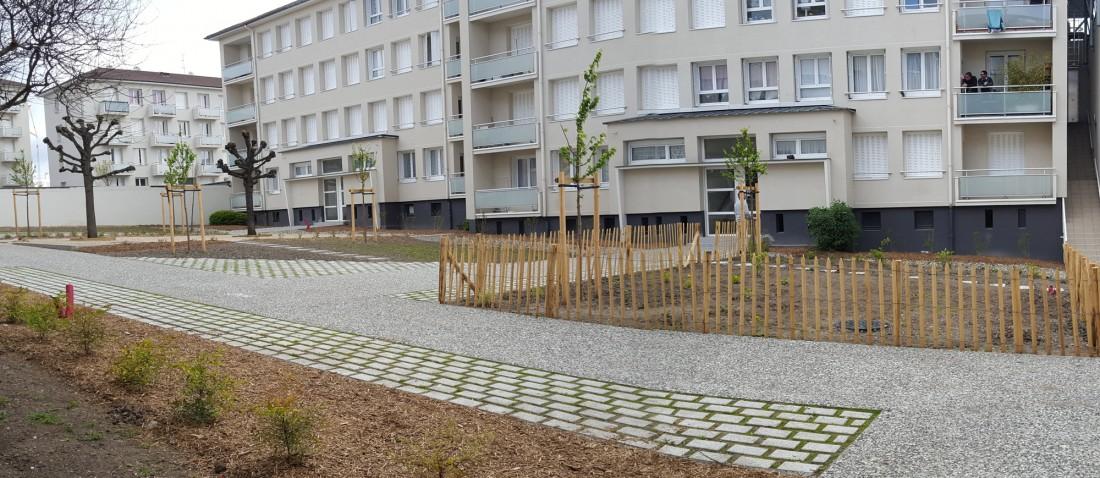
South Saint-Jacques District view
https://www.a3-paysage.eu/projets-architecte-paysagiste-concepteur/residentialisation-250-logements-quartier-saint-jacques-sud-a-clermont-ferrand/
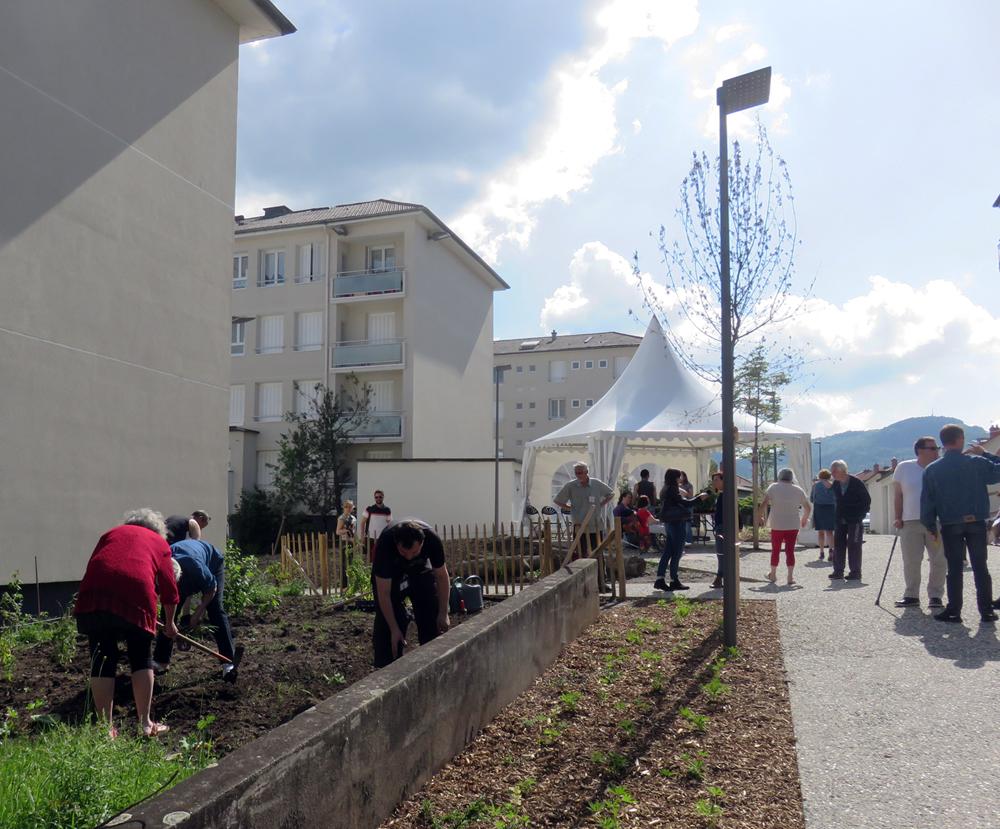
South Saint-Jacques District collective space
https://www.a3-paysage.eu/projets-architecte-paysagiste-concepteur/residentialisation-250-logements-quartier-saint-jacques-sud-a-clermont-ferrand/
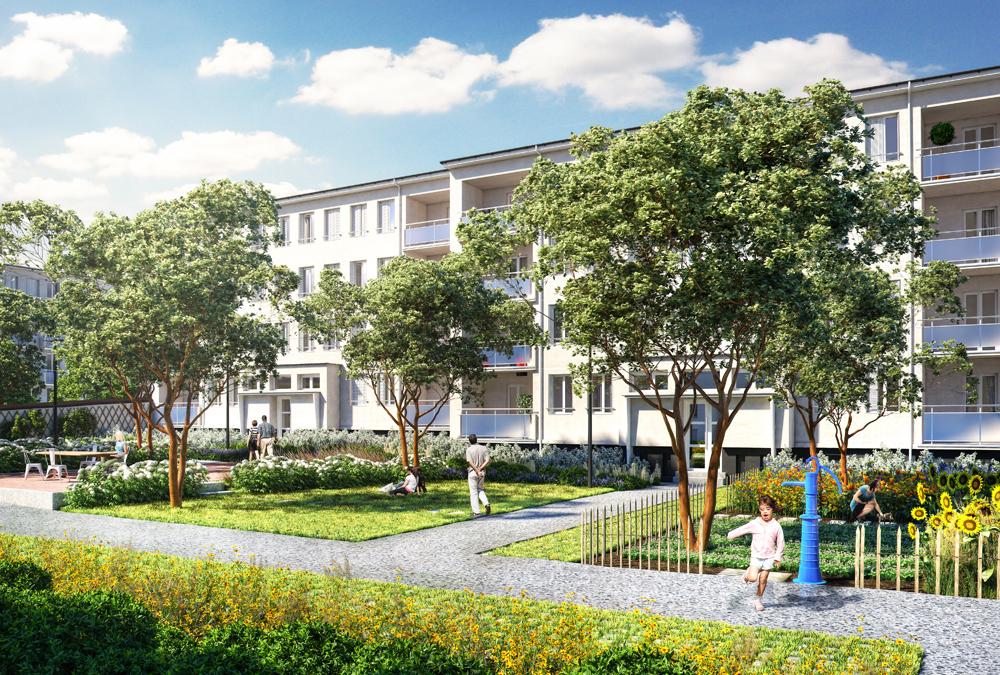
South Saint-Jacques District
https://www.a3-paysage.eu/projets-architecte-paysagiste-concepteur/residentialisation-250-logements-quartier-saint-jacques-sud-a-clermont-ferrand/