

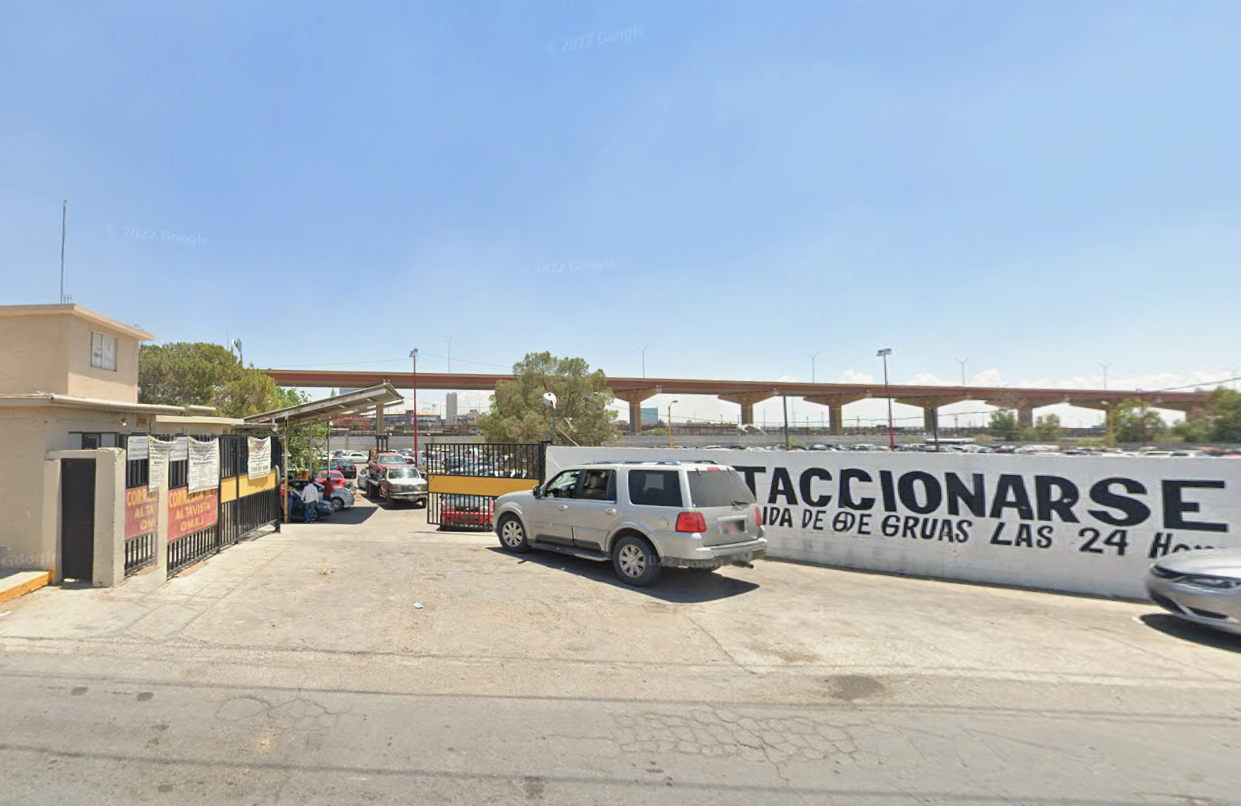
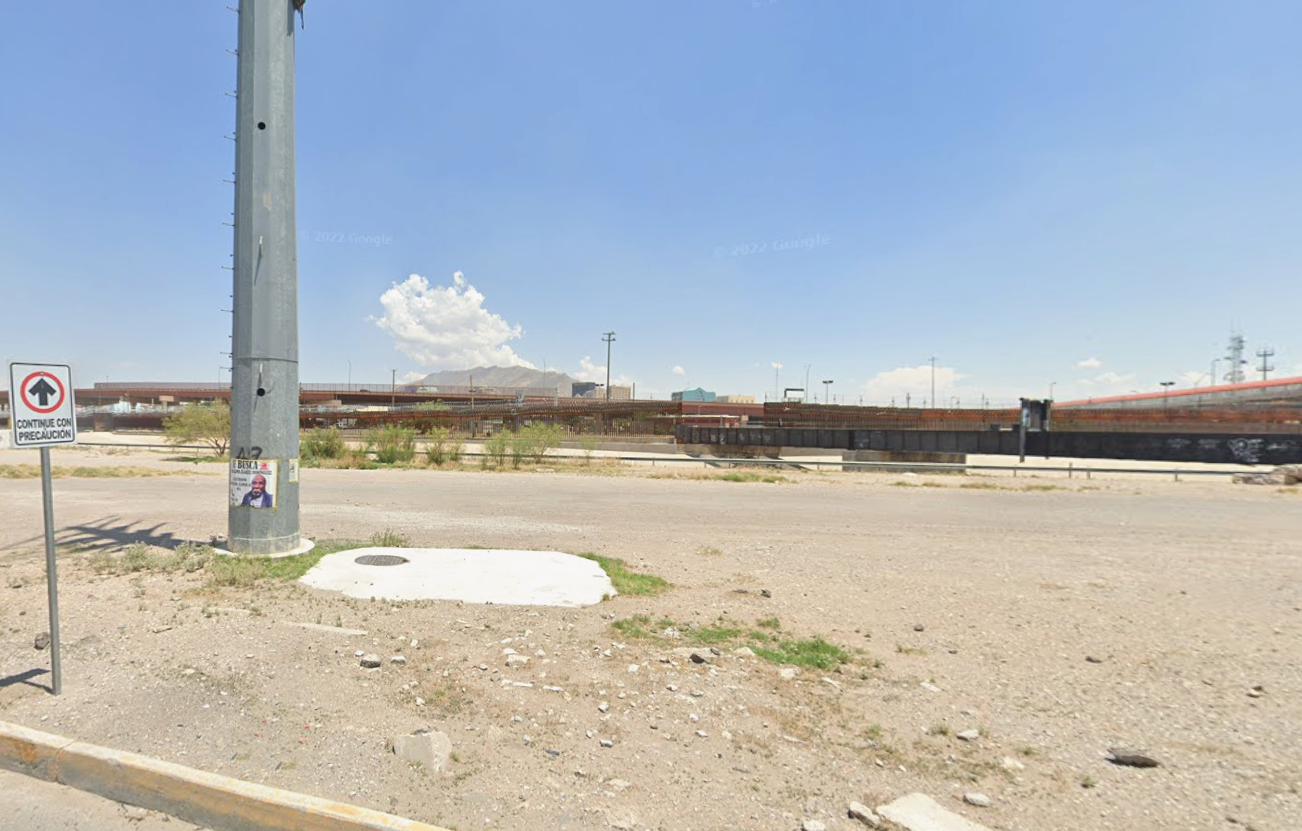
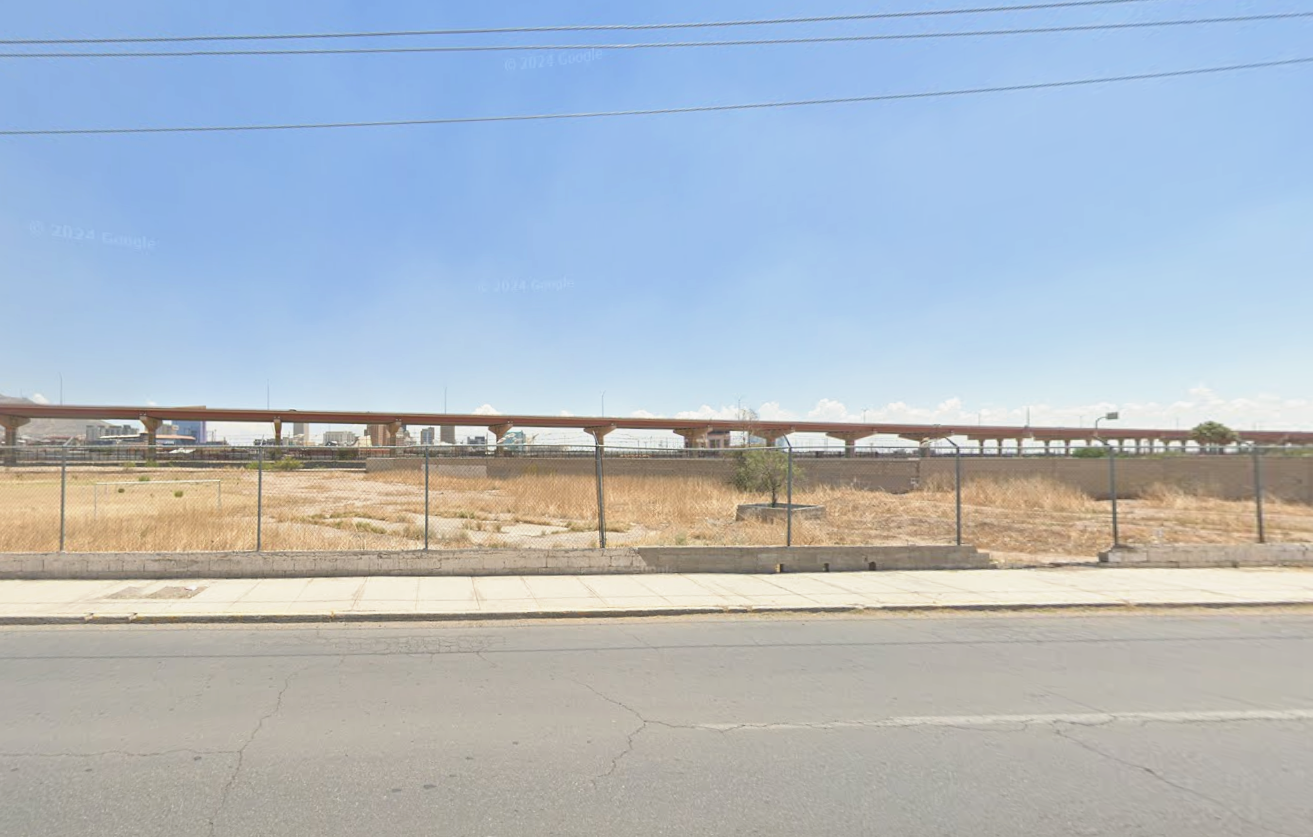
The municipality of Ciudad Juarez, in collaboration with UN-Habitat, has drafted a redevelopment strategy for an area known as "Paso de Oñate." This intervention falls within the broader framework of "Vision Ciudad Juarez 2040." The plan involves constructing a forested green belt along the southern edge of the Rio Grande (/Bravo) in the northwest part of Juarez, bordering the USA. Currently in the planning stage, the project aims to restore the ecological function of various degraded areas along the Rio Grande, transforming them into a continuous, green, walkable, and recreational space. The strategy includes allowing vegetation to recover, introducing native plant species, and increasing tree cover to rehabilitate unmaintained parks, derelict areas, and degraded riverbanks. These areas will be equipped with new features and integrated with existing parks, schools, and playgrounds. The envisioned green corridor will enhance walking conditions, improve the perception of safety, offer recreational opportunities for all age groups, and deliver valuable ecosystem services such as temperature regulation, improved air quality, and water retention. In addition to its ecological goals, the project has a historical and geographical dimension. It aims to incorporate cultural heritage elements, such as the monument of the New Citizen, Paso de Oñate, Turtles Park, and the beginning of the Acequia Madre. It will also connect with other green space initiatives, including the Mega Park "El Chamizal" and the "Corredor Cultural," which runs through the city center. This intervention is being prioritized due to the area's ongoing social and ecological decline. Paso de Oñate is a critical border crossing point, which negatively affects mobility and air quality. The area also suffers from a high concentration of vacant housing, which contributes to the residents' perception of insecurity. (Ref. 1, 2, 3, 4)
Overview
Nature-based solution
- Blue infrastructure
- Riverbank/Lakeside greens
- Parks and urban forests
- Large urban parks or forests
- Green corridors and green belts
Key challenges
- Climate action for adaptation, resilience and mitigation (SDG 13)
- Climate change adaptation
- Climate change mitigation
- Environmental quality
- Air quality improvement
- Soil quality improvement
- Green space, habitats and biodiversity (SDG 15)
- Green space creation and/or management
- Habitat and biodiversity restoration
- Regeneration, land-use and urban development
- Promote natural styles of landscape design for urban development
- Water management (SDG 6)
- Flood protection
- Stormwater and rainfall management and storage
- Cultural heritage and cultural diversity
- Preservation of natural heritage
- Protection of historic and cultural landscape/infrastructure
- Health and well-being (SDG 3)
- Creation of opportunities for recreation
- Enabling opportunities for physical activity
- Social justice, cohesion and equity (SDG 10)
- Social justice and equity
- Environmental and climate justice
- Economic development and employment (SDG 8)
- Tourism support
Principal problems in Functional Urban Area (FUA)
- Climate-Related Hazards
- Urban flooding (stormwater)
- Degradation of carbon sinks
- Environmental Degradation
- Deforestation and forest degradation
- Air pollution
- Land use and Socio-economic change
- Unequal availability and access to public green spaces
- Health, Well-being and Social cohesion
- Inadequate access to recreational opportunities
- Insecurity in public spaces
Key priorities
Focus
Project objectives
Implementation activities
Climate-focused activities
Climate change adaptation:
- Increase urban vegetation cover to reduce urban heat island effect
- Restore rivers and other fresh water bodies to reduce flood or drought risk
Climate change mitigation:
- Increase the availability of green urban space for carbon storage (street tree cover)
Specification of climate or environmentally vulnerable communities
Biodiversity conservation or restoration-focused activities
Biodiversity restoration:
- Restore native species
Main beneficiaries
- Citizens or community groups
- Young people and children
Governance
Management set-up
- Co-governance with government and non-government actors
Type of initiating organisation
- Local government/municipality
- Multilateral organisation
Participatory approaches/ community involvement
- Co-planning (e.g. stakeholder workshops, focus groups, participatory mapping)
- Deliberative decision-making processes (e.g., consensus building, deliberative polling)
- Consultation (e.g. workshop, surveys, community meetings, town halls)
Details on the roles of the organisations involved in the project
Project implemented in response to ...
Type of enablers
Financing
Total cost
Source(s) of funding
- National or regional development bank
Type of funding
- Direct funding (grants, subsidies, or self-financed projects by private entities)
- Loan
Non-financial contribution
Impacts and Monitoring
Environmental impacts
- Climate change
- Lowered local temperature
- Expected lowered local temperature
- Enhanced carbon sequestration
- Expected enhanced carbon sequestration
- Prevent the frequency and/or intensity of heatwaves
- Expected prevent the frequency and/or intensity of heatwaves
- Environmental quality
- Improved air quality
- Expected improved air quality
- Water management and blue areas
- Improved stormwater management
- Expected improved stormwater management
- Green space and habitat
- Increased green space area
- Expected increased green space area
- Restoration of derelict areas
- Expected restoration of derelict areas
Economic impacts
- Attraction of business and investment
- Expected attraction of business and investment
Socio-cultural impacts
- Social justice and cohesion
- Improved access to urban green space
- Expected improved access to urban green space
- Health and wellbeing
- Gain in activities for recreation and exercise
- Expected gain in activities for recreation and exercise
- Reduced risk of heatstroke and/or dehydration
- Expected reduced risk of heatstroke and/or dehydration
- Cultural heritage and sense of place
- Protection of historic and cultural landscape / infrastructure
- Expected protection of historic and cultural landscape / infrastructure
Type of reported impacts
Presence of formal monitoring system
Presence of indicators used in reporting
Presence of monitoring/ evaluation reports
Availability of a web-based monitoring tool
Potential risks of implementation and trade-offs
References
 Information about this nature-based solution was collected as part of the Naturescapes project funded by the European Union under Grant Agreement No 101084341.