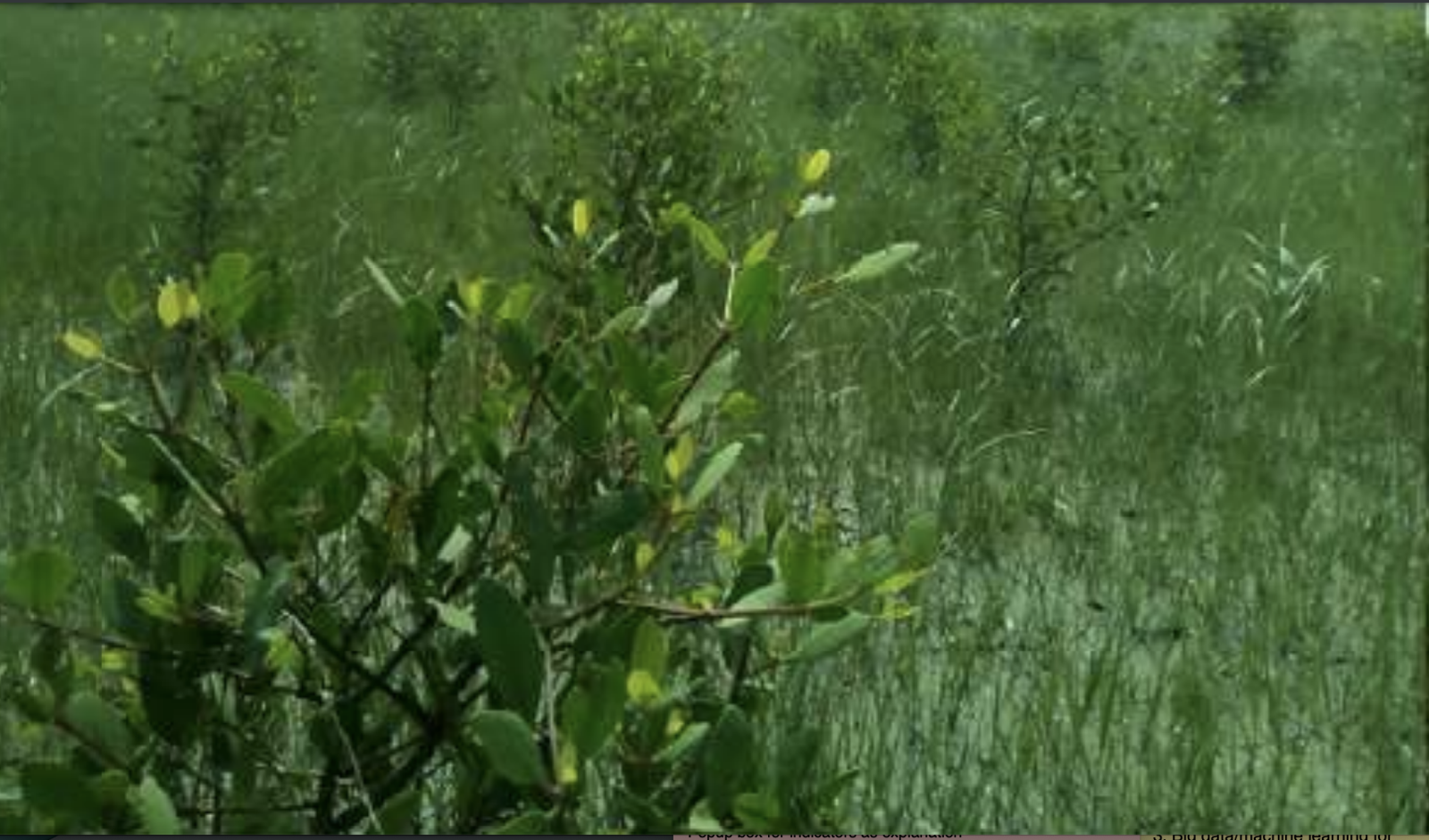
Bangladesh Forest Department (BFD), as a part of its annual development programme, has been leading the coastal afforestation programme to stabilize Bangladesh’s coastline and create green belt. In order to establish mangrove forests in coastal areas, specifically chars in the southern coastal zone, the Forest Department undertook an afforestation project in the new deltas developed in the Bay. Afforestation is being used in vulnerable coastal areas, where the initiative brought mangrove species to the region in order to act as shelters for the exposed coastal communities subject to powerful cyclones, tidal surges, coastal erosion, and other disasters. In terms of the severity of the effects of climate change, Bangladesh is at the forefront, especially for coastal populations, as their livelihoods are wrecked by storms. Nature-based Solutions (NBS) are emerging as significant instruments for coping with climate change, while traditional methods of prevention, such as hard flood defence, have proven to be impractical and unsustainable. Additionally, the project includes greening of the whole coastal regions including creation of strip gardens and home gardens to improve the biodiversity of the area and to stabilize the newly found land. Furthermore, the coastal afforestation project will also help to develop newly accreted land of an island (char) in the Bay of Bengal, which is being included with Bangladesh's mainland from 2021. [Ref 1,3,4,6]

Overview
Nature-based solution
- Blue infrastructure
- Coastlines
- Coastal wetland, mangroves and salt marshes
- Grey infrastructure featuring greens
- Alley or street trees and other street vegetation
- Railroad bank and track greens
- House gardens
Key challenges
- Climate action for adaptation, resilience and mitigation (SDG 13)
- Climate change adaptation
- Climate change mitigation
- Coastal resilience and marine protection (SDG 14)
- Coastal protection / hazard mitigation
- Marine and coastal biodiversity protection
- Green space, habitats and biodiversity (SDG 15)
- Habitat and biodiversity conservation
- Green space creation and/or management
- Water management (SDG 6)
- Flood protection
Focus
Project objectives
Implementation activities
Climate-focused activities
Climate change adaptation:
- Protect coastal and freshwater ecosystems to prevent coastal erosion and pollution
- Restore wetlands and/or coastal ecosystems to dissipate the effects of flooding and/or storms
Climate change mitigation:
- Implement sustainable forest management measures to increase carbon sinks/ improve carbon storage
- Improve carbon sequestration through selection of more adaptable species
Biodiversity conservation or restoration-focused activities
Biodiversity conservation:
- Protect and enhance urban habitats
- Create new habitats
- Protect species
- Undertake specific measures to protect species
- Undertake specific measures to protect native species
- Means for conservation governance
- Public engagement
Biodiversity restoration:
- Restore ecological connectivity
Main beneficiaries
- Citizens or community groups
- Marginalized groups: Socio-economically disadvantaged populations (e.g. low-income households, unemployed)
Governance
Management set-up
- Government-led
Type of initiating organisation
- National government
- Local government/municipality
Participatory approaches/ community involvement
- Taskforce groups
- Consultation (e.g. workshop, surveys, community meetings, town halls)
- Co-management/Joint management
Details on the roles of the organisations involved in the project
Project implemented in response to ...
Financing
Total cost
Source(s) of funding
- Public national budget
Type of funding
- Earmarked public budget
Non-financial contribution
- Provision of labour
- Provision of expertise
- Public authorities (e.g. land, utility services)
- Citizens (e.g. volunteering)
Impacts and Monitoring
Environmental impacts
- Climate change
- Enhanced carbon sequestration
- Environmental quality
- Improved protection against strong wind
- Water management and blue areas
- Increased protection against flooding
- Green space and habitat
- Increased green space area
- Increased number of species present
Economic impacts
- Unknown
Socio-cultural impacts
- Social justice and cohesion
- Improved access to urban green space
- Increased involvement of locals in the management of green spaces
- Safety
- Improved community safety to climate-related hazards
Type of reported impacts
Presence of formal monitoring system
Presence of indicators used in reporting
Presence of monitoring/ evaluation reports
Availability of a web-based monitoring tool
References
2. BFD. (2020). Afforestation in Coastal Region including the Newly Accreted Chars of Bay of Bengal. URL:Source link. Accessed on 23 January, 2023.
3. Haider. M. J. (2022). How mangrove afforestation can fight the adverse effects of climate change. the Business Standard. URL: Source link. Accessed on 20 January, 2023.
4. UNCC. (n.d). Community-Based Adaptation to Climate Change through Coastal Afforestation (CBACC-CF) Project - Bangladesh. URL:Source link. Accessed on 20 January, 2023.
5. The daily observer(2021) Newly formed land in Bay to be mapped with mainland this year . URL:Source link. Accessed on 23 January, 2023.
6. NBS Bangladesh, Coastal afforestation, available at Source link Accessed 26 January, 2023