Chennai, India
City population: 11933000
Duration: 2019 – 2019
Implementation status: Completed
Scale: Sub-microscale: Street scale (including buildings)
Project area: 139.35 m2
Type of area: Previous derelict area
Last updated: May 2023

The Community Garden Project was proposed in 2018 by Samyuktha Kannan (a resident of Chennai City) to the Resident Welfare Association (RWA), which is a non-governmental organization (NGO) of Kasturba Nagar (1,2,3). The RWA uses the community hall of a public park of Kasturba Nagar to host meetings and community events, but the area was surrounded by open dry land and an unmanaged field (1,2). This open area surrounding the community hall was then assigned to develop a community garden of 1500 square feet (1,2,3). This project aimed to serve as a shared garden place to bring along residents of all age groups to enjoy gardening and simultaneously create opportunities to learn and share knowledge through social engagement and reconnect with nature (1,2). Although implemented and completed in 2019, the project still continues to contribute towards sustainability through further development and introduction of eco-friendly elements and activities, as well as the involvement of various stakeholders for support (3,4).
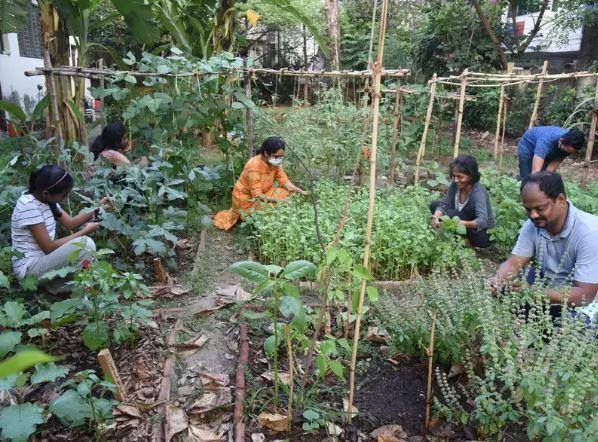
Community Gardening - People of all ages and experiences from the city get together to nurture the gorgeous greenery every Saturday
Times of India, available at https://timesofindia.indiatimes.com/life-style/spotlight/this-green-initiative-helps-city-folk-foster-a-bond-with-nature/articleshow/90208369.cms

Overview

Nature-based solution

  • Community gardens and allotments
  • Community gardens

Key challenges

  • Environmental quality
  • Soil quality improvement
  • Green space, habitats and biodiversity (SDG 15)
  • Green space creation and/or management
  • Health and well-being (SDG 3)
  • Enabling opportunities for physical activity
  • Improving mental health
  • Improving physical health
  • Creation of opportunities for recreation
  • Inclusive and effective governance (SDG 16)
  • Inclusive governance
  • Social justice, cohesion and equity (SDG 10)
  • Social interaction
  • Environmental education
  • Sustainable consumption and production (SDG 12)
  • Sustainable production

Focus

Creation of new green areas, Transformation of previously derelict areas, Knowledge creation and awareness raising

Project objectives

- To develop a 'Community Garden' as a green initiative within the Kasturba Nagar locality to bring people together and provide them with a shared space for interaction as well as promote gardening. - To nurture a garden patch (by residents of all ages on their own) through organic cultivation of fruits or vegetables, medicinal herbs and flowering plants (i.e. grow locally and produce sustainably). - To improve soil fertility in the area of intervention. - To educate people through experimental gardening and create opportunities to learn and share knowledge through social engagement. - To develop opportunities for relaxation and reconnecting with nature by engaging in a sustainable initiative. - To promote human well-being through gardening activities. - To maintain the cleanliness of the area, mostly through the removal of plastic pollution. - To create an example of excellent community building exercise through this green initiative of community gardening (1,2,3,4).

Implementation activities

The community group was proposed by a citizen in Chennai named Samyuktha Kannan, with the intention of developing a community garden in her locality. Following the project suggestion, this idea was supported by the Resident Welfare Association (RWA), a local NGO that takes care of the interests and welfare of locals. RWA granted permission and allocated an open area surrounding the community hall to create the garden. - At first, a couple of people who were interested in participating in the garden were targeted to receive insights into developing the community garden based on experienced farmers and gardeners included in the project team. The initial project team formed by Samyuktha Kannan discussed the essential infrastructure required to carry out the activities. - Different suggestions regarding what type of greening ideas can be carried out (like the use of native species, cultivation of local crops, providing a home for pollinator bees etc.) were discussed, and a layout was developed for further implementation (2). Subsequent activities included: - Clearing of the space filled with weeds and waste; - Plantation of saplings of fruits or vegetables like tomatoes, spinach etc., flowering plants and a variety of herbs - Use of dried fallen leaves for mulching - Provision of compost by residents - Understanding the challenges through conversations with experts to improve soil fertility, as well as related to the use of pesticides and use of techniques like fences and plantation of different crops to repel pests - Division of garden into three sections (flowers, vegetables/fruits and medicinal herbs): which now (at present) blooms with fresh tomatoes, gourds, chillies, beans, peas, basil and Chinese potatoes, among other variants - say a mix of plants for ecological and educational purposes (1,3). Activities carried out regularly include weekly gardening sessions, sapling and seed exchange programmes, events and workshops to promote gardening (1,2,4). Weekly gardening sessions (for people of all ages) take place every Saturday, which are open to the public (anyone who would like to do volunteering is welcome). On a day-to-day basis, there are three or four dedicated volunteers who look into and execute the details of garden management. Subsequent development ideas of the project team to implement in the near future (information from 2022), include: - incorporation of a bird feeder, a beehive and an aquatic area - involving local businesses and explore composting experiments - raising funds from local businesses and - seeking support from the local government (1,2,3).

Main beneficiaries

  • Citizens or community groups
  • Marginalized groups: Socio-economically disadvantaged populations (e.g. low-income households, unemployed)
  • Food producers and cultivators (i.e. farmers, gardeners)
  • Young people and children

Governance

Management set-up

  • Led by non-government actors

Type of initiating organisation

  • Non-government organisation/civil society
  • Citizens or community group

Participatory approaches/ community involvement

  • Co-planning (e.g. stakeholder workshops, focus groups, participatory mapping)
  • Consultation (e.g. workshop, surveys, community meetings, town halls)
  • Joint implementation (e.g. tree planting)
  • Co-management/Joint management

Details on the roles of the organisations involved in the project

This project was mainly led by a citizen in Chennai named Samyuktha Kannan, who proposed the idea of developing a community garden in her locality. Following the project suggestion, this idea was supported by the Resident Welfare Association (RWA), a non-governmental organization (NGO) which takes care of the interests and welfare of a residential society. For this project, RWA granted permission and allocated an open area surrounding the community hall of Kasturba Nagar locality to develop it into a community garden. Volunteers participated in the project's development and are still welcome to enjoy gardening activities. These volunteers include residents of the locality, from children and young people to adults (people of all ages). Experts like farmers and gardeners are also included for their experienced advice on gardening initiatives and techniques (1,2,3). For further development of project, there is a need for more resources, more manpower and more funds. Other potential stakeholders include: - involving local business/companies to raise funds - a collaboration with local government to seek support - other people from city for volunteering (2,3).

Project implemented in response to ...

... an EU policy or strategy? No
... a national policy or strategy? Unknown
... a local policy or strategy? Unknown

Financing

Total cost

Unknown

Source(s) of funding

  • Private funding by citizens

Type of funding

  • Donations

Non-financial contribution

Type of non-financial contribution
  • Provision of land
  • Provision of goods
  • Provision of labour
  • Provision of expertise
Who provided the non-financial contribution?
  • Citizens (e.g. volunteering)

Impacts and Monitoring

Environmental impacts

  • Environmental quality
  • Improved waste management
  • Improved soil quality
  • Green space and habitat
  • Promotion of naturalistic styles of landscape design for urban development
  • Increased green space area
  • Increased number of species present
  • Improved prevention or control of invasive alien species
  • Enhanced support of pollination
  • Restoration of derelict areas

Economic impacts

  • Generation of income from NBS
  • Other

Socio-cultural impacts

  • Social justice and cohesion
  • Improved social cohesion
  • Improved access to urban green space
  • Increased visibility and opportunity for marginalised groups or indigenous peoples
  • Increased opportunities for social interaction
  • Increased involvement of locals in the management of green spaces
  • Increased access to healthy/affordable food
  • Health and wellbeing
  • Improved physical health
  • Improved mental health
  • Gain in activities for recreation and exercise
  • Cultural heritage and sense of place
  • Improvement in people’s connection to nature
  • Education
  • Increased support for education and scientific research
  • Increased knowledge of locals about local nature
  • Other

Type of reported impacts

Expected impacts, Achieved impacts

Presence of formal monitoring system

Unknown

Presence of indicators used in reporting

No evidence in public records

Presence of monitoring/ evaluation reports

No evidence in public records

Availability of a web-based monitoring tool

No

References

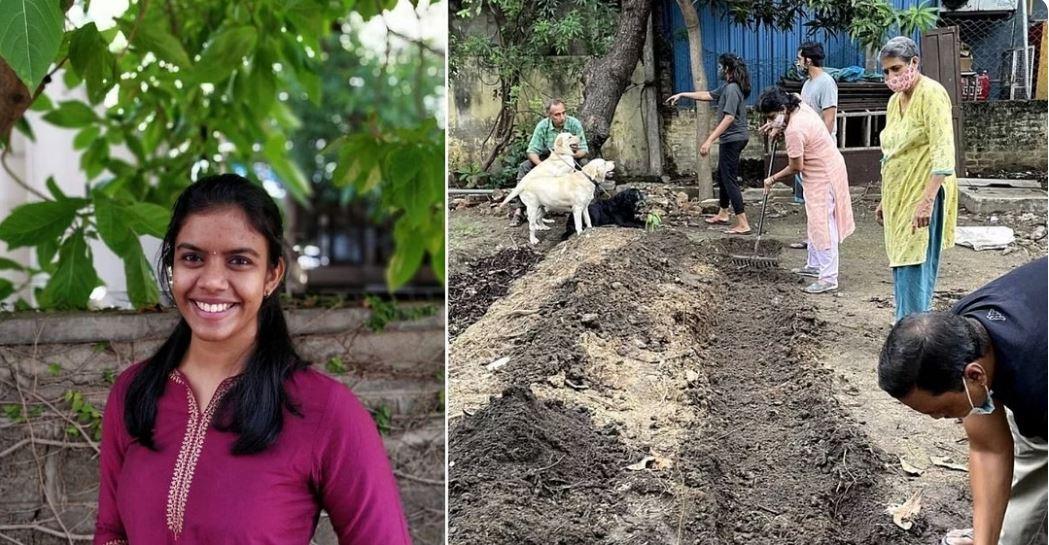
Samyuktha Kannan, a resident of Chennai, Tamil Nadu started a community garden in her locality after witnessing it's success abroad.
The Better India, available at https://www.thebetterindia.com/262750/chennai-organic-farming-community-garden-volunteers-residents/
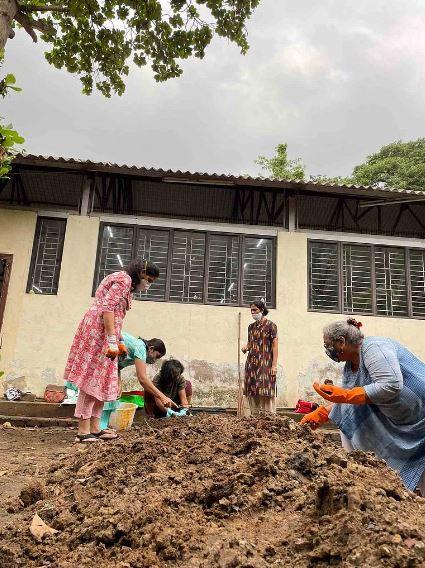
Volunteers preparing the soil for farming.
The Better India, available at https://www.thebetterindia.com/262750/chennai-organic-farming-community-garden-volunteers-residents/
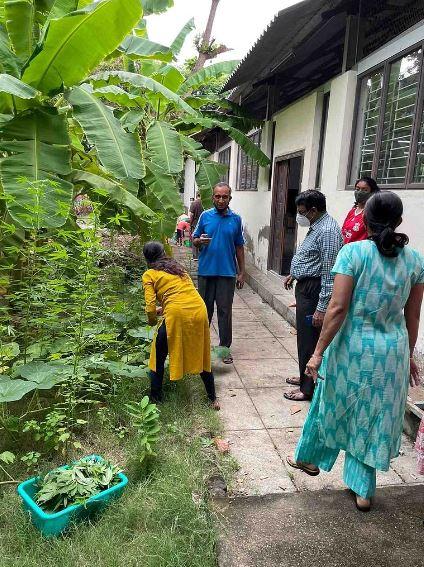
Volunteers in the garden - The produce is shared among the volunteers
The Better India, available at https://www.thebetterindia.com/262750/chennai-organic-farming-community-garden-volunteers-residents/
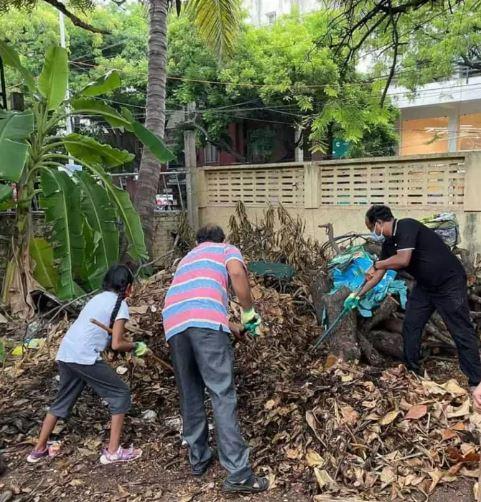
Maintenance of garden by the volunteers
By Samyuktha Kannan, available at https://chennai.citizenmatters.in/chennai-kasturba-nagar-community-garden-green-space-34184
Information about this nature-based solution was collected as part of the "NBS 2022" UNA Asian extension project funded by the Asia-Europe Foundation.