Cartagena, Cartagena (FUA), Colombia
City population: 1138298
Duration: 2023 – 2024
Implementation status: Completed
Scale: Micro-scale: District/neighbourhood level
Project area: unknown
Type of area: Residential, Public Greenspace Area
Last updated: May 2025

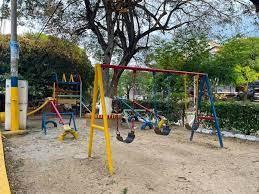
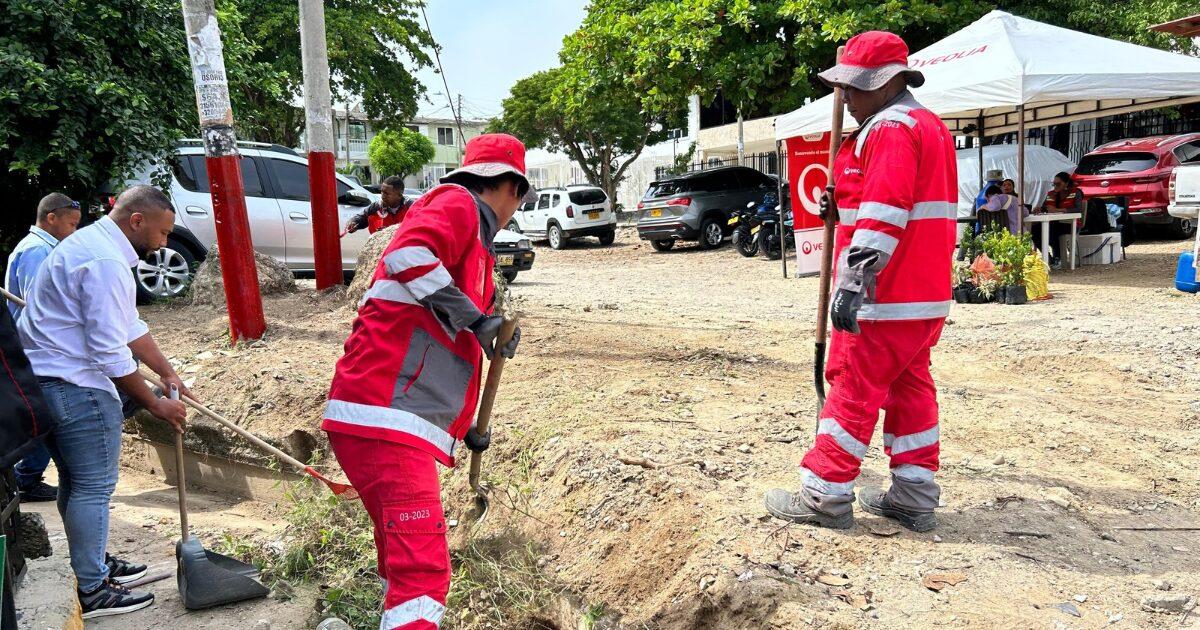
The revitalization and environmental recovery initiative in the Almirante Colón neighborhood of Cartagena focused on transforming green spaces and addressing environmental hazards posed by improper waste disposal and urban degradation. The primary goals of the project were to enhance urban green spaces, improve community well-being, and mitigate environmental hazards such as pollution and improper waste management (ref 1,2). The initiative involved multiple stakeholders, including the local government, community leaders, and private sector actors. The Gerencia de Espacio Público y Movilidad led the revitalization of three parks, focusing on cleaning up waste, maintaining green areas, and upgrading recreational facilities. Parallelly, Veolia, a private sector partner, worked with community leaders to recover neglected areas that were previously used for dumping mixed waste and beutify the environment. These efforts included planting activities, installation of solar lamps, and community education on proper waste disposal practices​ (ref 1,2). The revitalization of the parks benefited over 400 families, providing them with safe and clean recreational spaces. The project also successfully eliminated a significant dumping site, reducing pollution and enhancing the neighborhood's aesthetic appeal. Moreover, the initiative fostered a stronger sense of community ownership and responsibility towards maintaining the improved environment​ (ref 1,2).

picture of one of the parks
https://caracol.com.co/2023/09/30/revitalizaron-y-entregaron-tres-parques-en-barrio-almirante-colon-de-cartagena/

Overview

Nature-based solution

  • Parks and urban forests
  • Pocket parks/neighbourhood green spaces

Key challenges

  • Environmental quality
  • Waste management
  • Green space, habitats and biodiversity (SDG 15)
  • Green space creation and/or management
  • Health and well-being (SDG 3)
  • Creation of opportunities for recreation
  • Social justice, cohesion and equity (SDG 10)
  • Environmental education

Principal problems in Functional Urban Area (FUA)

  • Other

Key priorities

Social Justice and community

Focus

Maintenance and management of urban nature, Maintenance or upgrade of exisiting green spaces (e.g. parks), Knowledge creation and awareness raising, Educational and awareness raising programs

Project objectives

- Revitalize and maintain green areas to improve the aesthetic and environmental quality of the Almirante Colón neighborhood (ref 1). - Provide safe, clean, and accessible recreational spaces for the community, particularly benefiting children and families (ref 1). - Address issues such as pollution and improper waste disposal by transforming neglected areas into functional and environmentally friendly spaces​ (ref 1,2). - Involve community leaders and residents in the planning and implementation of environmental initiatives, promoting a sense of ownership and responsibility towards the upkeep of public spaces​ (ref 2). - Raise awareness and educate residents, particularly the youth, on the importance of proper waste disposal and the preservation of green spaces​ (ref 2).

Implementation activities

The revitalization of green and public spaces in the Almirante Colón neighborhood included targeted interventions in key community areas, notably Bohío Park and a park adjacent to the micro-soccer field. These spaces underwent comprehensive upgrades, including waste collection, garden restoration, maintenance of children's play equipment, refurbishment of the bohío structure, installation of solar lighting and the pruning and trimming of trees and plants. The Instituto Distrital de Recreación y Deporte (IDER), in coordination with the Gerencia de Espacio Público y Movilidad, officially handed over 500 square meters of revitalized green space to the community (ref 1). In a parallel effort, Veolia collaborated with community leaders to rehabilitate a former dumping site that had become a major pollution hotspot due to the accumulation of mixed waste. Veolia removed approximately 13 tons of waste weekly and transformed the site through greening, painting, fencing, and the installation of environmental signage. Educational outreach, carried out with the participation of local leaders and students from the Mundo Hacia El Futuro Educational Institution, focused on promoting responsible waste disposal and environmental conservation (ref 2).

Main beneficiaries

  • Citizens or community groups

Governance

Management set-up

  • Co-governance with government and non-government actors

Type of initiating organisation

  • Local government/municipality
  • Private sector/corporate actor/company

Participatory approaches/ community involvement

  • Joint implementation (e.g. tree planting)

Details on the roles of the organisations involved in the project

The Parks team of the Public Space and Mobility Management Office restored and officially handed over three parks to the community following a comprehensive intervention that included cleaning, repairs, and landscape improvements (ref 1). As part of the same neighborhood revitalization effort, Veolia contributed by enhancing green spaces and addressing environmental degradation caused by improper waste disposal. In collaboration with community leaders from the Almirante Colón neighborhood, Veolia reclaimed a major dumping site and transformed it into a clean and usable public green space (ref 2).

Project implemented in response to ...

... an EU policy or strategy? Unknown
... a national policy or strategy? Unknown
... a local policy or strategy? Yes ( These works are part of the fulfillment of the Management's goals in the Recovery program, with around 25,000 square meters intervened this year across more than 28 sectors of the city," said Laura Bossa, leader of the Parks team of the Public Space Management of the city (ref 1).)

Type of enablers

Governance innovations (such as public private partnerships)

Financing

Total cost

Unknown

Source(s) of funding

  • Public local authority budget
  • Corporate investment

Type of funding

  • Earmarked public budget
  • Direct funding (grants, subsidies, or self-financed projects by private entities)

Non-financial contribution

Type of non-financial contribution
  • Provision of labour
Who provided the non-financial contribution?
  • Citizens (e.g. volunteering)

Impacts and Monitoring

Environmental impacts

  • Green space and habitat
  • Increase in protected green space areas
  • Achieved increase in protected green space areas

Economic impacts

  • Unknown

Socio-cultural impacts

  • Health and wellbeing
  • Gain in activities for recreation and exercise
  • Achieved gain in activities for recreation and exercise
  • Education
  • Increased knowledge of locals about local nature
  • Achieved increased knowledge of locals about local nature

Type of reported impacts

Presence of formal monitoring system

Unknown

Presence of indicators used in reporting

Yes

Presence of monitoring/ evaluation reports

No evidence in public records

Availability of a web-based monitoring tool

No evidence in public records

Potential risks of implementation and trade-offs

Unknown

References

maintenance activities in one of the parks
https://www.ladirecta.com/veolia-embellece-areas-verdes-con-lideres-comunales/
naturescapes bannerInformation about this nature-based solution was collected as part of the Naturescapes project funded by the European Union under Grant Agreement No 101084341.