

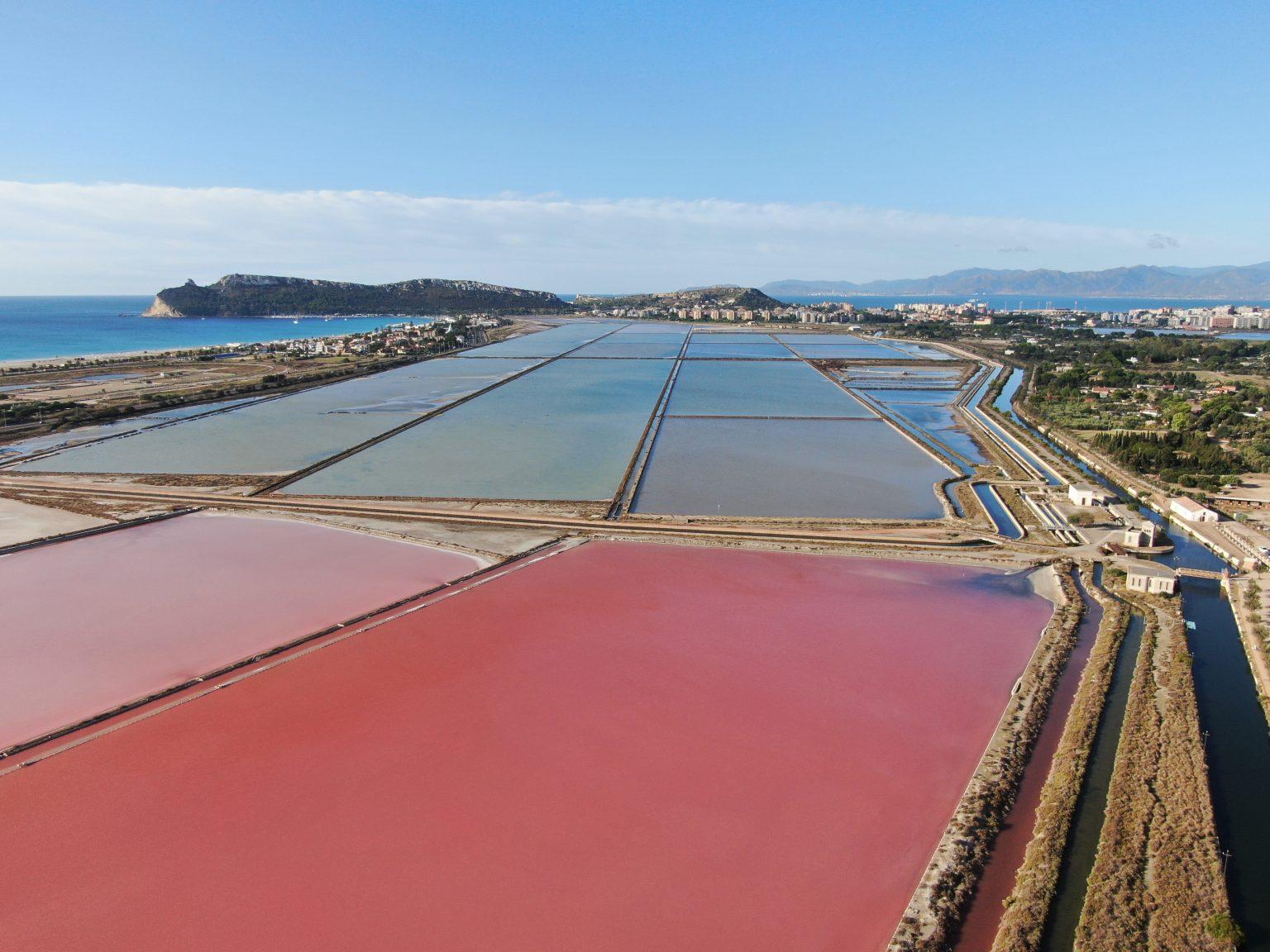
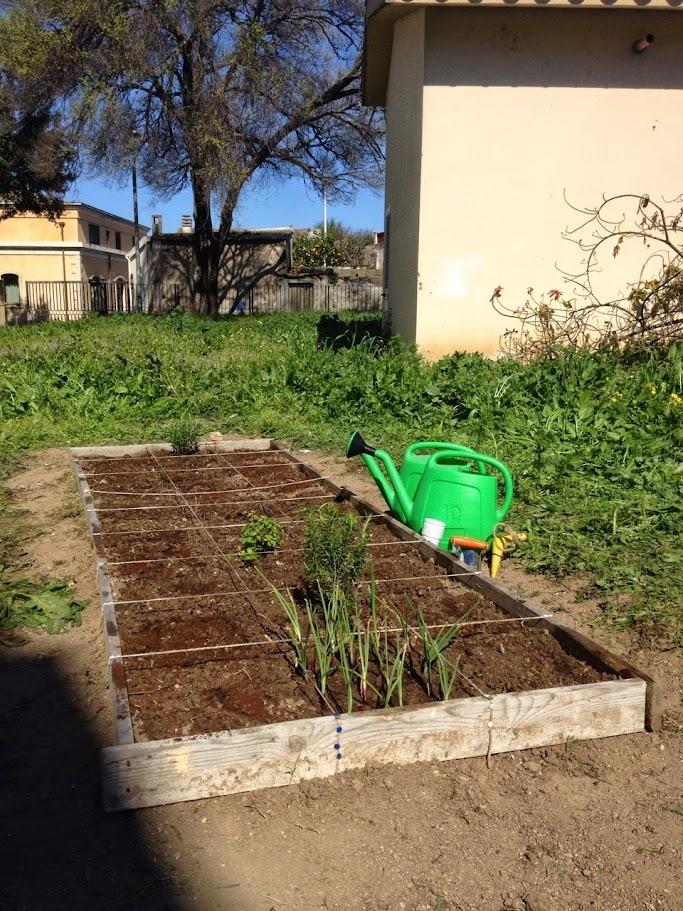
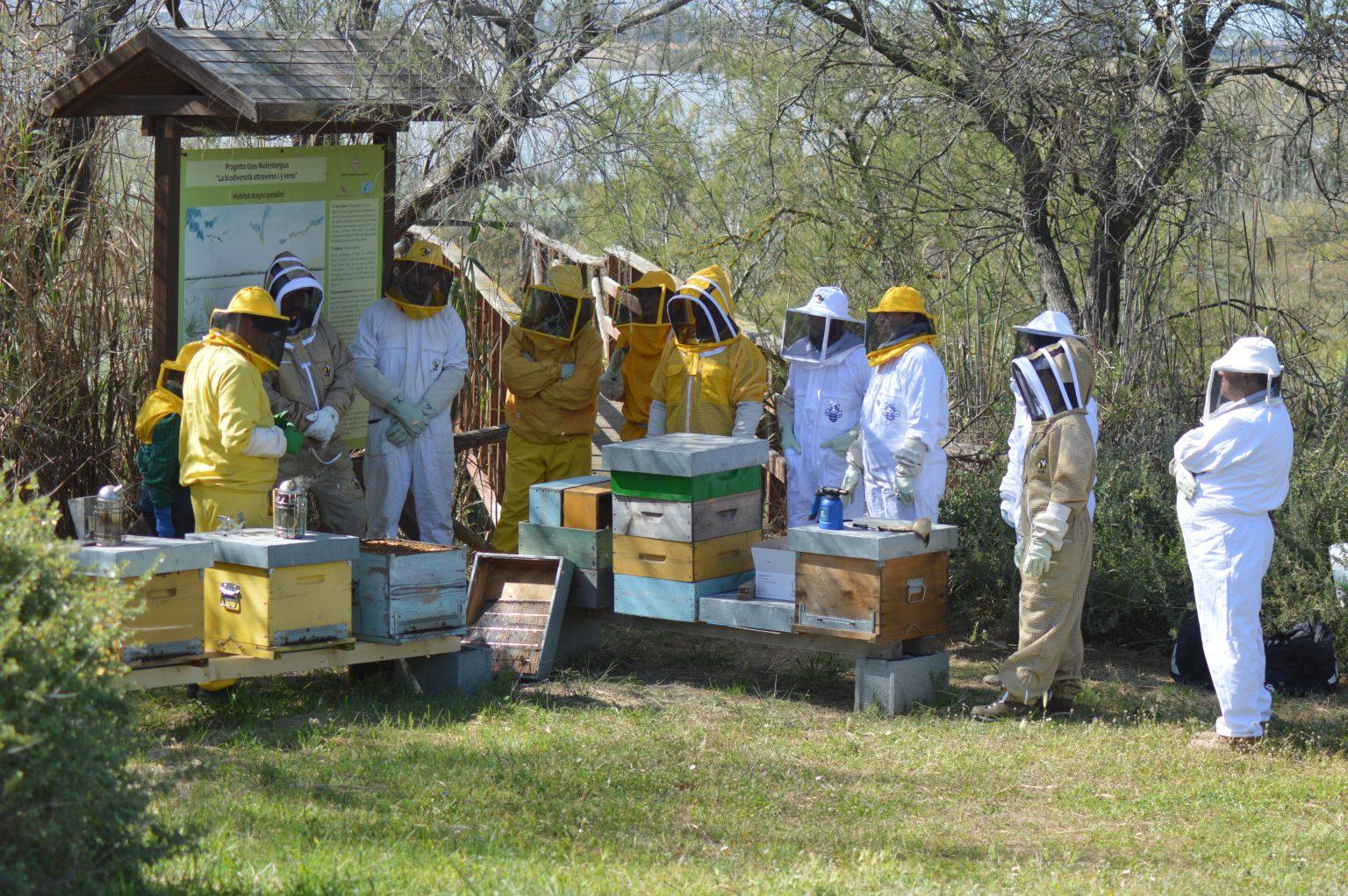
The Bee Park Molentargius is a project located in the Molentargius-Saline Regional Natural Park, in Cagliari. It is part of a broader effort to regenerate abandoned and underutilised urban spaces, transforming them into areas that support biodiversity, promote sustainability, and engage the local community in environmental stewardship (3,4). The primary goal of the Bee Park Molentargius project is to restore specific areas of the Molentargius Park to their original ecological and productive functions. It aims to enhance biodiversity, support sustainable agricultural practices, and promote environmental education. The project includes the creation of shared gardens and an educational apiary, designed to reclaim the park’s identity and encourage local participation in the management and preservation of this important natural resource (1,3). It was developed with financial support from the Autonomous Region of Sardinia and the European Union's Horizon Europe Framework Programme. Inaugurated in March 2024, the project is a collaborative initiative involving local citizens, institutions, and park beneficiaries. It includes various educational components, such as beekeeping and olive growing training courses, along with sensory analysis workshops for honey and olive oil. These activities are intended to educate the public while fostering a sense of community ownership and responsibility toward the park (1,2). The project indirectly addresses environmental hazards related to the degradation of urban green spaces and loss of biodiversity. By restoring the park’s natural and productive functions, the Bee Park Molentargius helps mitigate risks associated with urbanisation, such as habitat loss and the decline of pollinator populations, which are crucial for maintaining ecological balance and food security (3)
Overview
Nature-based solution
- Community gardens and allotments
- Community gardens
- Parks and urban forests
- Pocket parks/neighbourhood green spaces
Key challenges
- Green space, habitats and biodiversity (SDG 15)
- Habitat and biodiversity conservation
- Social justice, cohesion and equity (SDG 10)
- Environmental education
- Economic development and employment (SDG 8)
- Economic development: agriculture
- Sustainable consumption and production (SDG 12)
- Sustainable production
Principal problems in Functional Urban Area (FUA)
- Environmental Degradation
- Biodiversity loss
- Land use and Socio-economic change
- Rapid urbanization
Key priorities
Focus
Project objectives
Implementation activities
Biodiversity conservation or restoration-focused activities
Biodiversity conservation:
- Protect species
- Undertake specific measures to protect species
- Undertake specific measures to protect native species
- Means for conservation governance
- Raise public awareness
- Public engagement
Biodiversity restoration:
- Rehabilitate and restore damaged or destroyed ecosystems
Main beneficiaries
- Citizens or community groups
- Young people and children
Governance
Management set-up
- Government-led
Type of initiating organisation
- Local government/municipality
- Public sector institution
Participatory approaches/ community involvement
- Co-planning (e.g. stakeholder workshops, focus groups, participatory mapping)
- Consultation (e.g. workshop, surveys, community meetings, town halls)
Details on the roles of the organisations involved in the project
Project implemented in response to ...
Type of enablers
Financing
Total cost
Source(s) of funding
- Public regional budget
- EU funds
Type of funding
- Earmarked public budget
- Direct funding (grants, subsidies, or self-financed projects by private entities)
Non-financial contribution
Impacts and Monitoring
Environmental impacts
- Green space and habitat
- Increased green space area
- Expected increased green space area
- Increased conversion of degraded land or soil
- Expected increased conversion of degraded land or soil
- Increased number of species present
- Expected increased number of species present
- Enhanced support of pollination
- Achieved enhanced support of pollination
- Restoration of derelict areas
- Achieved restoration of derelict areas
Economic impacts
- More sustainable tourism
- Expected more sustainable tourism
- Increase in agricultural production (for profit or not)
- Expected increase in agricultural production (for profit or not)
Socio-cultural impacts
- Social justice and cohesion
- Improved social cohesion
- Achieved improved social cohesion
- Increased involvement of locals in the management of green spaces
- Achieved increased involvement of locals in the management of green spaces
- Cultural heritage and sense of place
- Increased awareness of flora and fauna as culturally and historically meaningful
- Expected increased awareness of flora and fauna as culturally and historically meaningful
- Education
- Increased knowledge of locals about local nature
- Achieved increased knowledge of locals about local nature
Type of reported impacts
Presence of formal monitoring system
Presence of indicators used in reporting
Presence of monitoring/ evaluation reports
Availability of a web-based monitoring tool
Potential risks of implementation and trade-offs
References
 Information about this nature-based solution was collected as part of the Naturescapes project funded by the European Union under Grant Agreement No 101084341.