, Cagliari (FUA),
City population: 384743
Duration: 2023 – 2024
Implementation status: Ongoing
Scale: Sub-microscale: Street scale (including buildings)
Project area: 6620 m2
Type of area: Roads / Roadsides, Sea coast (e.g. dunes, beach)
Last updated: October 2024

The project to redevelop Archipelagos Square in Cagliari aims to transform this key urban space, which serves as a gateway between the city and its coastal areas, into a more functional and aesthetically pleasing environment. Currently, the area lacks cohesive design, leading to unregulated use and its transformation into an informal parking lot. The redevelopment will address these issues by enhancing the pedestrian experience and reducing vehicular traffic. Improvements in public comfort and safety will include better rainwater drainage, the removal of architectural barriers, and the creation of accessible pathways for all. This project emphasizes environmental sustainability and the preservation of the local landscape. Key interventions include revitalizing green spaces, safeguarding native vegetation, and removing invasive species. Integrating walking and cycling paths will improve connectivity between the city, Marina Piccola, and Poetto beach, fostering outdoor recreational activities. A designated eco-system filter will recreate the natural dune environment, blending pedestrian areas with the surrounding landscape. Funded by the Fondo Sviluppo e Coesione (FSC), the project has a total budget of 3 million euros, with construction lasting 10 months starting in October 2023. The redevelopment reflects the broader goals of Cagliari’s administration to promote sustainable urban mobility and improve the public realm, contributing to the city's vision of becoming a hub for nautical sports while enhancing the overall quality of life for residents and visitors (Refs. 1, 2, 3 & 4).

Image of the project that will be implemented.
Studio Gaias. 2023. “CAGLIARI. RIQUALIFICAZIONE DELLA PIAZZA DEGLI ARCIPELAGHI - GAIAS - Studio.” GAIAS - Studio. 2023. https://www.studiogaias.com/progetti/progetti-in-ambito-costiero/cagliari-riqualificazione-della-piazza-degli-arcipelaghi/.

Overview

Nature-based solution

  • Grey infrastructure featuring greens
  • Alley or street trees and other street vegetation
  • Parks and urban forests
  • Green corridors and green belts

Key challenges

  • Coastal resilience and marine protection (SDG 14)
  • Coastal protection / hazard mitigation
  • Environmental quality
  • Soil quality improvement
  • Green space, habitats and biodiversity (SDG 15)
  • Green space creation and/or management
  • Habitat and biodiversity conservation
  • Regeneration, land-use and urban development
  • Regulation of built environment
  • Promote natural styles of landscape design for urban development
  • Water management (SDG 6)
  • Flood protection
  • Stormwater and rainfall management and storage
  • Social justice, cohesion and equity (SDG 10)
  • Social justice and equity
  • Social interaction

Principal problems in Functional Urban Area (FUA)

  • Environmental Degradation
  • Invasive alien species
  • Soil degradation and loss
  • Land use and Socio-economic change
  • Rapid urbanization
  • Health, Well-being and Social cohesion
  • Loss of sense of place and identity

Key priorities

Biodiversity (conservation and/or restoration), Social Justice and community

Focus

Creation of new green areas, Creation of green corridors (including connectivity between urban and rural ecosystems), Coastal landscape management or protection, Coastal ecosystems restoration and maintenance (mangroves, dunes, saltplains, underwater meadows), Improving coastal resilience, Ecological restoration of ecosystems, Soil remediation and revegetation, Remediation activities of sites with very poor environmental quality, Protection of natural ecosystems, Habitat conservation

Project objectives

To create a green corridor that protects and enhances the area’s natural environment by integrating ecological design principles. To implement engineering solutions that respect the local landscape, including soil improvements, preservation of existing green spaces, and removal of invasive plant species to strengthen biodiversity. To improve storm water management and increase resilience against floods To establish new green areas as buffer zones, creating an eco-system filter that transitions between pedestrian spaces and coastal dunes, featuring native plant species to reinforce ecological balance. To prioritize accessibility and inclusivity in the new design, ensuring all users, including those with physical disabilities, have unhindered access to the space. To enhance mobility for vulnerable groups by incorporating wheelchair-friendly pathways, tactile guides for the visually impaired, and protected crossings. To promote social interaction by introducing pedestrian zones, bicycle paths, and seating areas that serve the social needs of residents, tourists, and visitors. (Refs. 1, 2, 3 & 4)

Implementation activities

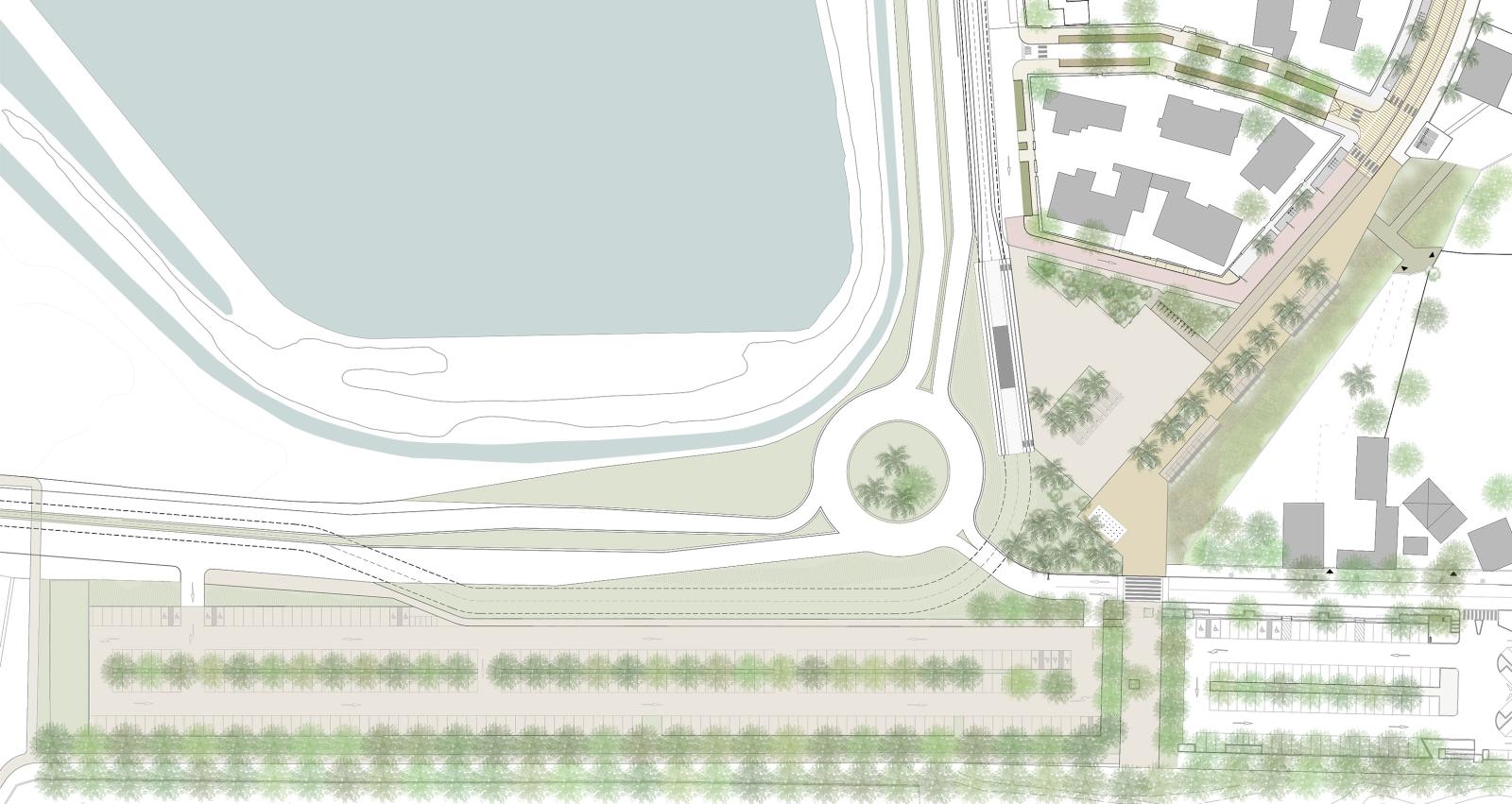
The redevelopment project for Archipelagos Square in Cagliari, which started in October 2023, includes a redesign of the traffic flow and pedestrian areas. This involves reorganizing vehicular access through a restricted traffic zone (ZTL) that limits car traffic to residents and business operators. The expansion of pedestrian areas will create a more inviting environment, particularly around the coast and Marina Piccola. To improve drainage and prevent flooding, a permeable road with a grass surface will be installed, and trees will be planted to separate the walking area from the street. Additionally, new pathways for cyclists and runners will be constructed, culminating at Piazza degli Arcipelaghi. These pathways will feature colored resin surfacing that aligns with the adjacent promenade, along with the installation of bicycle parking facilities to promote sustainable transportation options. In terms of environmental enhancements, the project will preserve existing trees while removing invasive plant species to encourage biodiversity. New green zones will be introduced as ecological buffers to create a natural transition between pedestrian areas and the coastal dunes. Urban furniture, including benches, shaded seating areas, bike racks, and waste bins, will be carefully integrated into the landscape to enhance both functionality and aesthetics (Refs. 1, 2, 3 & 4).

Biodiversity conservation or restoration-focused activities

Biodiversity conservation:

  • Protect and enhance urban habitats
  • Preserve and strengthen existing habitats and ecosystems
  • Reduce negative impacts and avoid the alteration/damage of ecosystem
  • Protect species
  • Undertake specific measures to protect species
  • Undertake specific measures to protect native species
  • Control and clean invasive alien species

Main beneficiaries

  • Citizens or community groups

Governance

Management set-up

  • Co-governance with government and non-government actors

Type of initiating organisation

  • Local government/municipality

Participatory approaches/ community involvement

  • Co-management/Joint management

Details on the roles of the organisations involved in the project

1. Municipality of Cagliari: specifically its division "Servizio Opere Strategiche Mobilità Infrastrutture Viarie e Reti", which is responsible for overseeing the project. The municipality is the principal authority managing the technical and administrative aspects, from the design phase to the execution of works (Ref. 1). 2. RTP Antonio Sebastiano Gaias: plays a pivotal role as the firm that won the competition for the works on the project. RTP Antonio Sebastiano Gaias is in charge of the technical-economic feasibility design, final and executive design, and safety coordination during the design phase. This includes the planning and execution of various aspects of the project, ensuring technical and safety standards are met (Ref. 5). The project was financed with resources from the Development and Cohesion Fund (FSC) 2014/2020, an Italian fund designed to promote economic development and social cohesion, particularly in less developed regions of the country. (Ref.4)

Project implemented in response to ...

... an EU policy or strategy? Unknown
... a national policy or strategy? Yes (Metropolitan City Development Pact: it is an agreement between the Government, Regions, and Metropolitan Cities aimed at promoting and ensuring investment in metropolitan areas and the South of Italy. It sets clear objectives and timelines for projects and enhances governance through collaborative efforts among the involved parties. It is coordinated by the Agency for Territorial Cohesion (Ref. 6 & 7))
... a local policy or strategy? Yes (The intervention is operated within project No. 3 - ECONOMY OF THE SEA - National Sailing District - Gulf of Angels. Which is related to the functional section Marina Piccola and neighbouring areas, service infrastructures and aims at the construction of parking areas, the redevelopment of the seafront-port hinge and connections with the Sella del Diavolo and Sant'Elia. This is done within the metropolitan development pact framework (Ref. 2 & 3).)

Type of enablers

Governance innovations (such as public private partnerships), Change agents (individual with major role influence on launching), Funds, subsidies or investment for GI/NBS in the city (available for the city or provided by the city)

Financing

Total cost

€2,000,000 - €4,000,000

Source(s) of funding

  • Public national budget

Type of funding

  • Direct funding (grants, subsidies, or self-financed projects by private entities)

Non-financial contribution

Unknown

Impacts and Monitoring

Environmental impacts

  • Environmental quality
  • Improved soil quality
  • Expected improved soil quality
  • Water management and blue areas
  • Increased protection against flooding
  • Expected increased protection against flooding
  • Enhanced protection and restoration of coastal and marine ecosystems
  • Expected enhanced protection and restoration of coastal and marine ecosystems
  • Green space and habitat
  • Increased conservation or restoration of ecosystems
  • Expected increased conservation or restoration of ecosystems
  • Increased conversion of degraded land or soil
  • Expected increased conversion of degraded land or soil
  • Increased number of species present
  • Expected increased number of species present
  • Increased protection of threatened species
  • Expected increased protection of threatened species
  • Improved prevention or control of invasive alien species
  • Expected improved prevention or control of invasive alien species

Economic impacts

  • Unknown

Socio-cultural impacts

  • Social justice and cohesion
  • Increased visibility and opportunity for marginalised groups or indigenous peoples
  • Achieved increased visibility and opportunity for marginalised groups or indigenous peoples
  • Health and wellbeing
  • Gain in activities for recreation and exercise
  • Expected gain in activities for recreation and exercise

Type of reported impacts

Presence of formal monitoring system

Yes

Presence of indicators used in reporting

No evidence in public records

Presence of monitoring/ evaluation reports

No evidence in public records

Availability of a web-based monitoring tool

No evidence in public records

Potential risks of implementation and trade-offs

Unknown

References

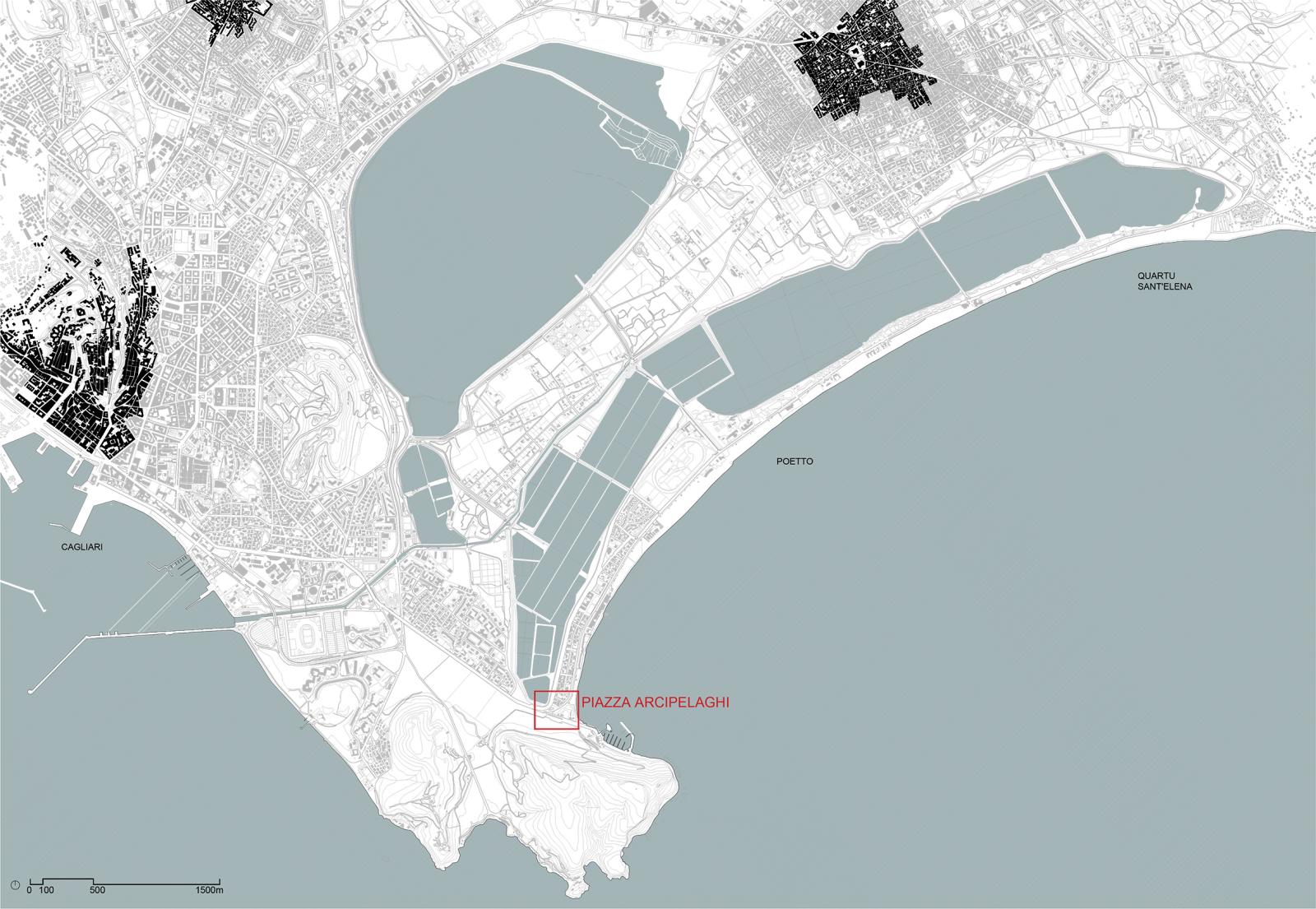
Map of the project that will be implemented.
Studio Gaias. 2023. “CAGLIARI. RIQUALIFICAZIONE DELLA PIAZZA DEGLI ARCIPELAGHI - GAIAS - Studio.” GAIAS - Studio. 2023. https://www.studiogaias.com/progetti/progetti-in-ambito-costiero/cagliari-riqualificazione-della-piazza-degli-arcipelaghi/.
Map of the project that will be implemented.
Studio Gaias. 2023. “CAGLIARI. RIQUALIFICAZIONE DELLA PIAZZA DEGLI ARCIPELAGHI - GAIAS - Studio.” GAIAS - Studio. 2023. https://www.studiogaias.com/progetti/progetti-in-ambito-costiero/cagliari-riqualificazione-della-piazza-degli-arcipelaghi/.
naturescapes bannerInformation about this nature-based solution was collected as part of the Naturescapes project funded by the European Union under Grant Agreement No 101084341.