

Last updated: June 2024
In an effort to improve the Holásecká lakes for both recreation and local natural conditions, the revitalization project has modified areas on the shores of the Holásecké lakes reconstructed culverts between the lakes, and removed the panel which fortified the Opleta and Lávka lakes (Ref. 4). The largest restoration activity includes removal of mud from the lakes (which can be repurposed due to low contamination) for the sake of ecologically restoring the area (Ref. 4). Plans also include improving recreation by installing wooden piers and developing a paved footpath with benches (Ref. 1). The ecological restoration will be important for wildlife, especially birds and amphibians (Ref. 8).
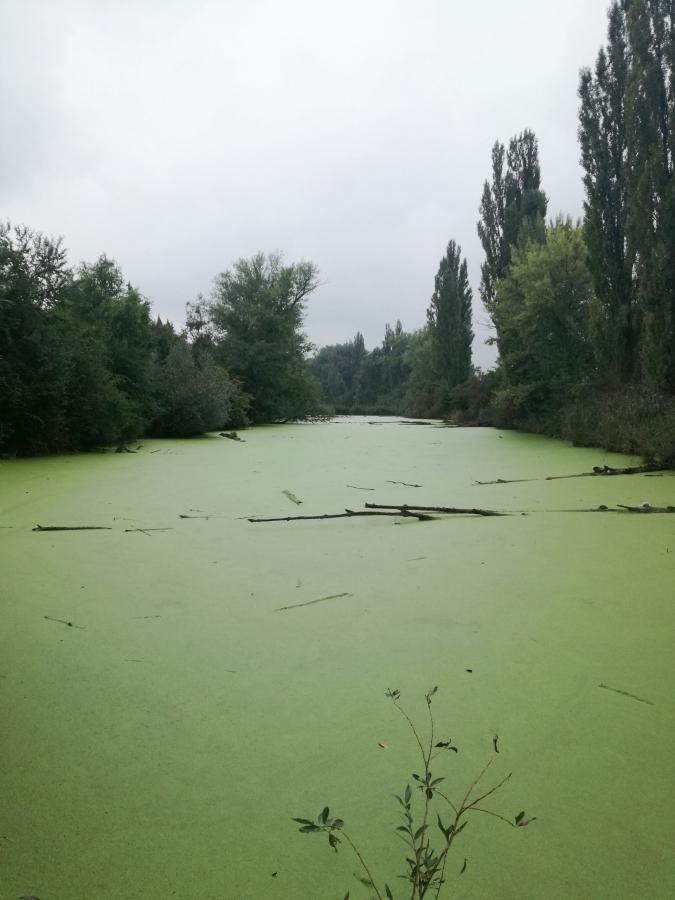
Revitalization of the Holásecká Lakes
Photographer: Eva Kostková (https://voda.brno.cz/clanek/revitalizace-holaseckych-jezer), retrieved 08/24/2018
Overview
Nature-based solution
- Blue infrastructure
- Lakes/ponds
- In-land wetlands, peatlands, swamps, and moors
- Grey infrastructure featuring greens
- Riverbank/Lakeside greens
Key challenges
- Environmental quality
- Soil quality improvement
- Green space, habitats and biodiversity (SDG 15)
- Habitat and biodiversity restoration
- Green space creation and/or management
- Regeneration, land-use and urban development
- Promote natural styles of landscape design for urban development
- Water management (SDG 6)
- Stormwater and rainfall management and storage
- Improvements to water quality
- Health and well-being (SDG 3)
- Enabling opportunities for physical activity
- Creation of opportunities for recreation
Focus
Creation of new green areas, Management and improved protection of rivers and other blue areas, Ecological restoration of ecosystems, Monitoring and maintenance of habitats and/or biodiversity
Project objectives
The project has (or will):
- Conducted a water quality survey to understand the biological state of the Lake Opleta (Ref. 1).
- Conducted a sediment analysis to better understand the conditions of key lakes, in the area, including Kašpárkovo, Typfl, Kmuníčkovo, Roučkovo, Ledárenské, Plavecké, Strakovo, Opleta, Lávka and Kocábka (Ref. 2).
- Utilized information learned to establish a plan for revitalizing the 10-lake system, with the ultimate goal of restoring water quality, fix the shoreline to enhance biodiversity (Ref. 2).
- Improved stabalization of the lakes through the reconstruction of culverts between the lakes and removed the panel fortifications of Opleta and Lávka lakes (Ref. 1).
- Will increase opportunities for recreation through the construction of a paved footpath including benches, nature trails or installation of sightseeing wooden piers on Opleta, Ledárenské and Plavecké lakes (Ref. 8).
- Will increase biodiversity, specifically for amphibians by developing shallow-water belt suitable for their reproduction (Ref. 8)
- Continually promote environmental education and awareness (Ref. 2)
Implementation activities
Following a study, it was determined to be safe to remove mud from each of the lakes (Ref 5). After another contamination caused by mud in the lake, re-excavation began again in 2019 (Ref 6., Ref 7). Using floating excavators, mud removal began in Pískovna Černovice in 2019; mud will be removed from one lake per year (Ref. 8).
Completed activities include:
Having the area was split into several zones:
1. A natural zone: this zone was undisturbed in order to provide a suitable habitat for species. Changes in this zone were minimized by establishing it as a protected area. Eventually, pools will be constructed on the selected suitable sites (Ref 3.). Some landscaping conditions have been created in some places to help restore wetland species (Ref 2.). These natural zones were restricted from visitors during the initial stage of the project (Ref. 2).
2. Recreational zone: this zone will be developed for recreation and fishing as well as walking and relaxation (Ref. 1). There is planned construction of a paved footpath with benches, development of nature trails, and installation of wooden piers on the three largest lakes (Ref. 1).
2. Natural-recreational zone: the final zone represents a cross-over between the two, with a connecting footpath. (Ref. 2)
3. developing shallow-water belt suitable for the reproduction of biodiversity, specifically [threatened] amphibians (Ref. 8)
4. fix the shoreline to enhance biodiversity (Ref. 2).
Biodiversity conservation or restoration-focused activities
Biodiversity restoration:
- Rehabilitate and restore damaged or destroyed ecosystems
- Restore species (native, endangered, or unspecified)
- Restore native species
- Restore valued species
- Restore endangered species
- Restore ecological connectivity
Main beneficiaries
- Citizens or community groups
Governance
Management set-up
- Co-governance with government and non-government actors
Type of initiating organisation
- Local government/municipality
Participatory approaches/ community involvement
- Unknown
Details on the roles of the organisations involved in the project
The project was initiated by the Brno City Council. The feasibility studies and technical planning were carried out by the company Atelier Fontes and Brno City, and the project was implemented by both organizations. Funding has been provided by the city council, and significant co-funding is expected from the EU. (Ref. 1; Ref. 2).
Project implemented in response to ...
... an EU policy or strategy?
Unknown
(According to a contact person, they will try to obtain funding from the EU Operational Programme Environment 2014-2020, priority axis 4, 4.2. (see interview template attachment). The programme is governed by the EU Regional Policy (Ref. 3).)
... a national policy or strategy?
No
... a local policy or strategy?
Yes
(Along with several restoration projects, this NBS was a part of a larger strategy called "Project Water in Brno" (Ref. 1))
Financing
Total cost
€500,000 - €2,000,000
Source(s) of funding
- Public local authority budget
- EU funds
Type of funding
- Earmarked public budget
- Direct funding (grants, subsidies, or self-financed projects by private entities)
Non-financial contribution
Unknown
Impacts and Monitoring
Environmental impacts
- Environmental quality
- Improved waste management
- Improved soil quality
- Water management and blue areas
- Improved water quality
- Green space and habitat
- Increased green space area
- Increase in protected green space areas
- Increased number of protection areas
- Increased conservation or restoration of ecosystems
- Increased ecological connectivity across regeneration sites and scales
- Increased conversion of degraded land or soil
- Reduced biodiversity loss
- Increased number of species present
- Increased protection of threatened species
- Other
Economic impacts
- Unknown
Socio-cultural impacts
- Health and wellbeing
- Improved physical health
- Gain in activities for recreation and exercise
- Cultural heritage and sense of place
- Protection of natural heritage
- Education
- Increased knowledge of locals about local nature
- Other
Type of reported impacts
Expected impacts, Achieved impacts
Presence of formal monitoring system
Yes
Presence of indicators used in reporting
Yes
Presence of monitoring/ evaluation reports
Yes
Availability of a web-based monitoring tool
No evidence in public records
References
Ref. 1. City of Brno (2017). Voda v Brně. [online] [Website not available in 2020].
Ref. 2. Atelier Fontes (2012). Plán revitalizace Holáseckých jezer. [pdf] [Available at: Source link [Accessed on 24 July 2020]
Ref. 3. European Commission (2017). Environment. Czech Republic. [online] [Available at: Source link [Accessed on July 24 2020].
Ref. 4. City of Brno (2017). Holásecká jezera jsou o krok blíž k obnově: bahno není nebezpečné. [online] [Available at: Source link [Accessed on July 24, 2020].
Ref 5. Denik. (2016). The mud disappears from the Holasecke lakes, they get piers. [online]. [Available at: Source link. [Accessed on July 24, 2020].
Ref. 6. O24. (2017). Holase lakes were again infested with faeces. The problem is probably mud. [online]. [Available at: Source link. [Accessed on July 24, 2020].
Ref. 7. Denik. (2018) People are supposed to swim in the Holasecke lakes again. Excavators extract mud from the lakes. [online]. [Available at: Source link. [Accessed on July 24, 2020].
Ref. 8. Brnenska Drbna. (2019). Brno will drain the mud from the Holasecke lakes. The revitalization of a natural monument will cost tens of millions. [online]. [Available at: Source link. [Accessed on July 24 2020].
Ref. 2. Atelier Fontes (2012). Plán revitalizace Holáseckých jezer. [pdf] [Available at: Source link [Accessed on 24 July 2020]
Ref. 3. European Commission (2017). Environment. Czech Republic. [online] [Available at: Source link [Accessed on July 24 2020].
Ref. 4. City of Brno (2017). Holásecká jezera jsou o krok blíž k obnově: bahno není nebezpečné. [online] [Available at: Source link [Accessed on July 24, 2020].
Ref 5. Denik. (2016). The mud disappears from the Holasecke lakes, they get piers. [online]. [Available at: Source link. [Accessed on July 24, 2020].
Ref. 6. O24. (2017). Holase lakes were again infested with faeces. The problem is probably mud. [online]. [Available at: Source link. [Accessed on July 24, 2020].
Ref. 7. Denik. (2018) People are supposed to swim in the Holasecke lakes again. Excavators extract mud from the lakes. [online]. [Available at: Source link. [Accessed on July 24, 2020].
Ref. 8. Brnenska Drbna. (2019). Brno will drain the mud from the Holasecke lakes. The revitalization of a natural monument will cost tens of millions. [online]. [Available at: Source link. [Accessed on July 24 2020].
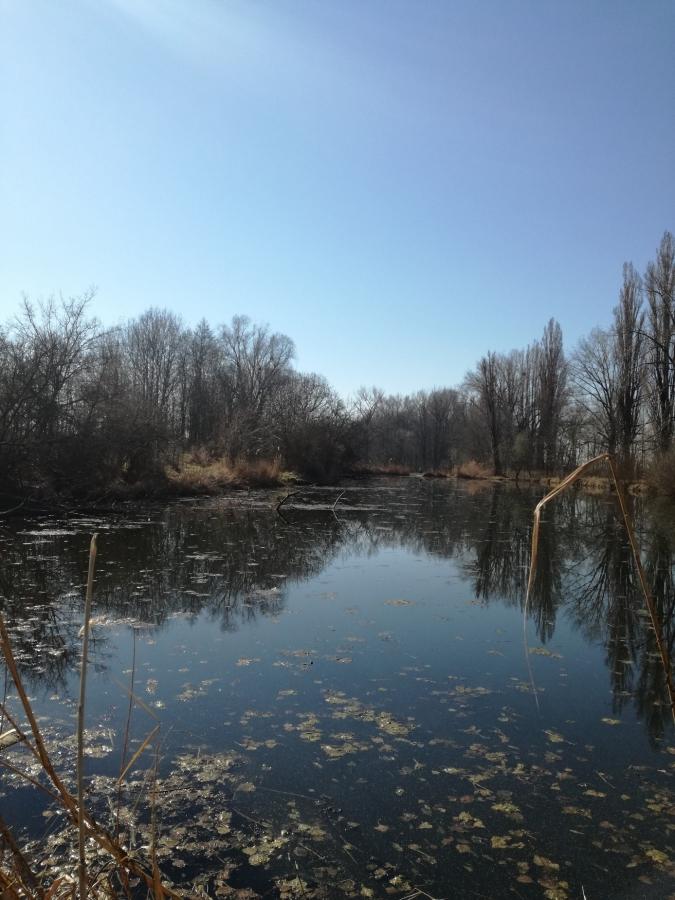
Revitalization of the Holásecká Lakes
Photographer: Eva Kostková (https://voda.brno.cz/clanek/revitalizace-holaseckych-jezer), retrieved 08/24/2018