

Last updated: October 2021
The Ville Forests covering the hills between Bonn and Cologne are an example of a rare and highly endangered forest habitat type in Europe giving a home for many threatened animal species (1). The protection and conservation of these 'oak-hornbeam forests on hydromorphic soils and the forest-dwelling species was the main objective of the Villewälder: LIFE+ Project for Kottenforst and Ville project which includes four Natura 2000 areas with 4.378 hectares of forest. The conservation measures of the project focused on water balance restoration, habitat improvement and preservation, and the extension and connection of protected areas (1,2).
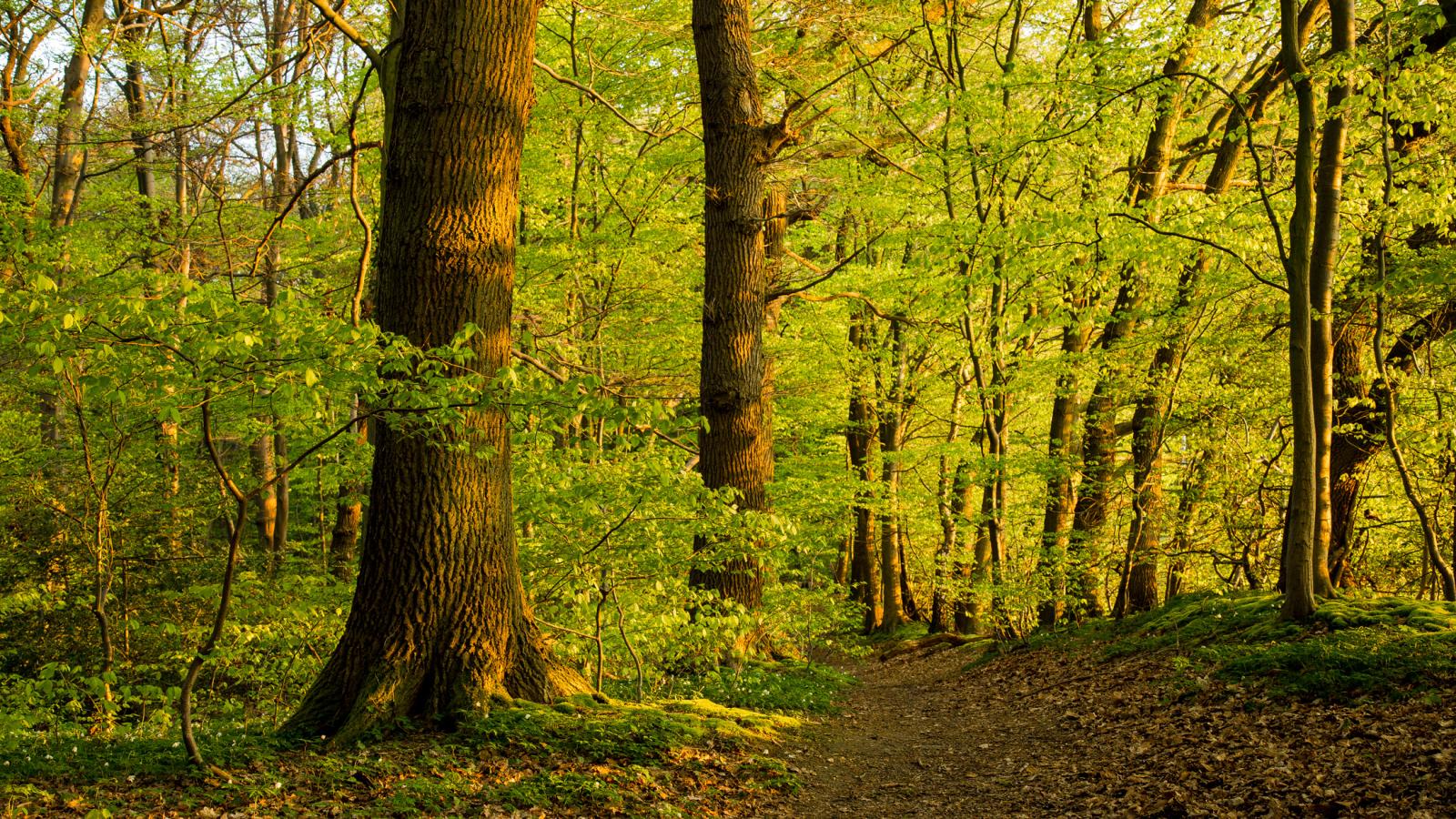
Villeforests - Life forests - waterworlds
Photographer: Klaus Striepen (2014), retrieved 07/16/2018
Overview
Nature-based solution
- Parks and urban forests
- Large urban parks or forests
- Green corridors and green belts
- Blue infrastructure
- Lakes/ponds
- Rivers/streams/canals/estuaries
Key challenges
- Water management (SDG 6)
- Stormwater and rainfall management and storage
- Green space, habitats and biodiversity (SDG 15)
- Habitat and biodiversity restoration
- Habitat and biodiversity conservation
- Green space creation and/or management
- Inclusive and effective governance (SDG 16)
- Inclusive governance
- Cultural heritage and cultural diversity
- Preservation of natural heritage
Focus
Protection of natural ecosystems, Monitoring and maintenance of habitats and/or biodiversity
Project objectives
1. Restoration of the natural water balance: The occurrence of the oak-hornbeam forests is closely linked to special soil conditions, they can only survive if the soil is temporarily waterlogged.
2. Preservation & advancement of habitat trees, e.g. deadwood: Tree cavities, injures and damages at bark or crown are important micro-habitats for many forest-dwelling species. The project preserves habitat trees to integrate nature conservation objectives in forest management.
3. Increase and link of natural forest habitats: The existing natural forest habitats will be connected and a large and undivided natural forest area will be created.
4. Protection of amphibians: Construction of new ponds and connection of existing ones.
5. Restoration of species-rich lowland hay meadows that serve as refuge for plant and animal species upon which other animals rely. (2)
Implementation activities
1. Partially close drainage ditches to ensure favourable living conditions for different tree species
2. Preparation of a hydrological report to analyze the water balance of the Kottenforst and to determine the action areas
3. Mapping the biotope wood (old-growth trees and deadwood), decision which single trees and groups are not to be used for timber production but would serve as a habitat for woodpeckers, bats or beetles (3)
4. Purchasing 48 hectares of private forests: old-growth deciduous forests with a great value for nature conservation and for conifer forests that have to be conversed to connect existing oak-hornbeam forests (3)
5. Re-establishment of the traditional forest management practice called 'Coppice with standards' that is a silvicultural system to benefit species on an area of 39 hectares (3)
6. Mapping of amphibian fauna of the forests and ponds to decide which ponds should be restored and where new ones have to be built. Creation and restoration of 70 ponds all together (3)
7. Enlargement of a selection 17 forest meadows to species-rich lowland hay meadows of a minimum area of 2000 m2. (3) 8. Selection of high potential grassland areas, cutting shadow trees, transferring hay from a species-rich donor meadow, sowing regional seeds, planting rare species (2, 3)
9. Documentation of 540 hydrological level measurements on 30 spots in the project area (8)
10. Documentation of 60 vegetation assessments (8)
11. Observation of bat species living in the Ville Forests prior and after conservation interventions (3)
12. The conversion of the non-native spruce and pine forests into oak-hornbeam forests (3).
Biodiversity conservation or restoration-focused activities
Biodiversity conservation:
- Protect and enhance urban habitats
- Preserve and strengthen existing habitats and ecosystems
- Promote environmentally-sound development in and around protected areas
- Create new habitats
- Preserve and strengthen habitat connectivity
- Protect species
- Undertake specific measures to protect species
- Undertake specific measures to protect native species
- Undertake specific measures to protect endangered species
- Undertake specific measures to protect valued species
- Control and clean invasive alien species
- Means for conservation governance
- Manage biological resources for conservation and sustainable use
- Protect and apply traditional knowledge and conservation practices
Biodiversity restoration:
- Restore species (native, endangered, or unspecified)
- Restore native species
- Restore valued species
- Clear and control invasive alien species
Main beneficiaries
- National-level government
- Non-government organisation/Civil Society
- Researchers/University
- Citizens or community groups
Governance
Management set-up
- Co-governance with government and non-government actors
Type of initiating organisation
- Regional government
- Non-government organisation/civil society
Participatory approaches/ community involvement
- Dissemination of information and education
- Consultation (e.g. workshop, surveys, community meetings, town halls)
Details on the roles of the organisations involved in the project
The EU-funded project was designed and is carried out by two entities: the Regional Forestry Office Rhine-Sieg-Erft on behalf of the Forestry Commission of North Rhine-Westphalia and the Biological station Bonn / Rhine-Erft, a non-profit and independent association-sponsored and funded by the "Ministerium für Klimaschutz, Umwelt, Landwirtschaft, Natur- und Verbraucherschutz, MKULNV" (50%), the municipality of Bonn (10%) and project funds and private donations (40%) (4, 6). The mixed project team consisting of five people puts various conservation measures into action to maintain and improve the conservation status of the Villeforests (1).
Project implemented in response to ...
... an EU policy or strategy?
Yes
(The LIFE + (2007 - 2013) Eu funding program and the new LIFE Regulation. The Regulation - which was published on 20 December 2013 - established the Environment and Climate Action sub-programmes of the LIFE Programme for the funding period, 2014–2020. The budget for the period is set at €3.4 billion in current prices. Arrangements was established to ensure adequate financing for the Natura 2000 network, including Community co-financing. Since the aim of this Regulation is to finance only best-practice or demonstration projects related to the management of Natura 2000 sites, the Commission and Member States should ensure that sufficient funds are made available through other instruments for the management of the network. (7)
As the Life EU funding program finances projects in the field of environmental, nature and climate protection its efforts contribute to the achieving of the EU's 2020 biodiversity strategy (9).)
... a national policy or strategy?
No
... a local policy or strategy?
No
Financing
Total cost
€2,000,000 - €4,000,000
Source(s) of funding
- EU funds
- Public regional budget
Type of funding
- Earmarked public budget
- Direct funding (grants, subsidies, or self-financed projects by private entities)
Non-financial contribution
Unknown
Impacts and Monitoring
Environmental impacts
- Water management and blue areas
- Improved stormwater management
- Enhanced protection and restoration of freshwater ecosystems
- Green space and habitat
- Increased number of protection areas
- Increased conservation or restoration of ecosystems
- Increase in protected green space areas
- Increased protection of threatened species
- Improved prevention or control of invasive alien species
- Increased ecological connectivity across regeneration sites and scales
Economic impacts
- Unknown
Socio-cultural impacts
- Education
- Increased support for education and scientific research
- Other
Type of reported impacts
Expected impacts, Achieved impacts
Presence of formal monitoring system
Yes
Presence of indicators used in reporting
Yes
Presence of monitoring/ evaluation reports
Yes
Availability of a web-based monitoring tool
No evidence in public records
References
1. Regionalforstamt Rhein-Sieg-Erft. (2015). Villewälder. Project area. Accessed on September 4, 2020, Source link
2. Regionalforstamt Rhein-Sieg-Erft. (2015). Villewälder. Objectives. Accessed on September 4, 2020, Source link
3. Regionalforstamt Rhein-Sieg-Erft. (2015). Villewälder. Measures. Accessed on September 4, 2020, Source link
4. Regionalforstamt Rhein-Sieg-Erft, (2015). Ville Forests LIFE Forests-waterworlds. Accessed on September 4, 2020, Source link
5. Wald und Holz NRW. (2017). LIFE+ Projekt schafft neue Amphibiengewässer im Kottenforst. Das Rehsprungmaar bei Bonn-Röttgen ist einer der bekanntesten Teiche im Kottenforst bei Bonn. Accessed on September 4, 2020, Source link
6. Biologische Station Bonn/Rhein-Erft. (2017). Organisation und Struktur. Accessed on September 4, 2020, Source link
7. European Commission. (2017). Environment. LIFE Programme. Accessed on September 4, 2020, Source link
8. Landesbetrieb Wald und Holz Nordrhein-Westfalen (no date) ‘Monitoring of the impact of the project actions’. Bonn: Landesbetrieb Wald und Holz Nordrhein-Westfalen, pp. 234–262. Document not available September 4, 2020
9. Landesbetrieb Wald und Holz Nordrhein-Westfalen (no date) Über uns. Accessed on September 4, 2020, Source link
2. Regionalforstamt Rhein-Sieg-Erft. (2015). Villewälder. Objectives. Accessed on September 4, 2020, Source link
3. Regionalforstamt Rhein-Sieg-Erft. (2015). Villewälder. Measures. Accessed on September 4, 2020, Source link
4. Regionalforstamt Rhein-Sieg-Erft, (2015). Ville Forests LIFE Forests-waterworlds. Accessed on September 4, 2020, Source link
5. Wald und Holz NRW. (2017). LIFE+ Projekt schafft neue Amphibiengewässer im Kottenforst. Das Rehsprungmaar bei Bonn-Röttgen ist einer der bekanntesten Teiche im Kottenforst bei Bonn. Accessed on September 4, 2020, Source link
6. Biologische Station Bonn/Rhein-Erft. (2017). Organisation und Struktur. Accessed on September 4, 2020, Source link
7. European Commission. (2017). Environment. LIFE Programme. Accessed on September 4, 2020, Source link
8. Landesbetrieb Wald und Holz Nordrhein-Westfalen (no date) ‘Monitoring of the impact of the project actions’. Bonn: Landesbetrieb Wald und Holz Nordrhein-Westfalen, pp. 234–262. Document not available September 4, 2020
9. Landesbetrieb Wald und Holz Nordrhein-Westfalen (no date) Über uns. Accessed on September 4, 2020, Source link
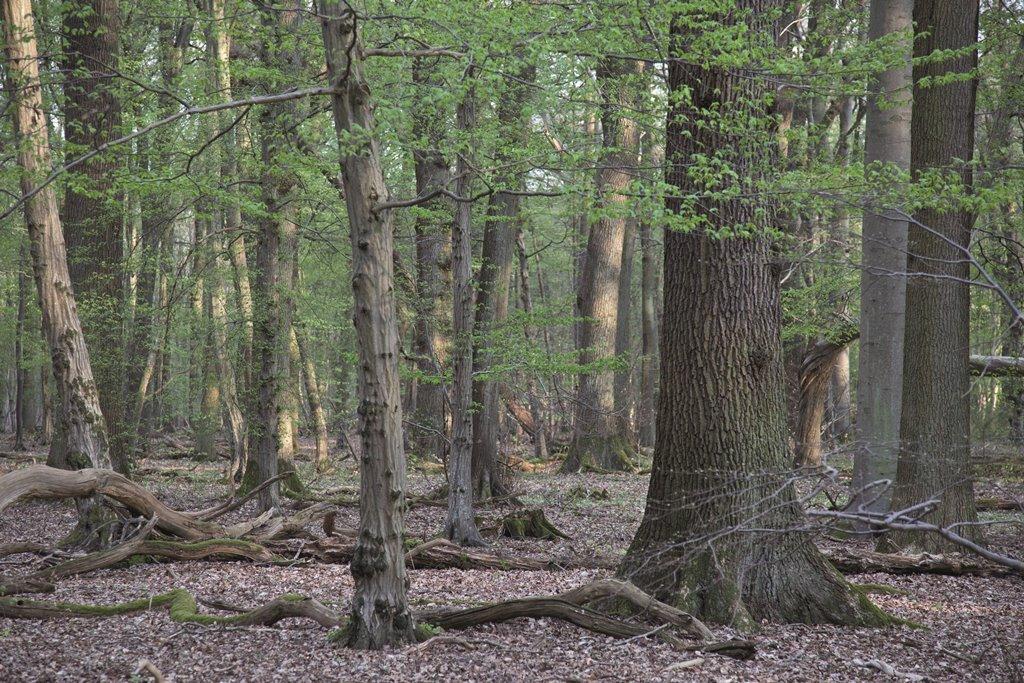
Villeforests - Life forests - waterworlds
Photographer: Klaus Striepen (2014), retrieved 07/16/2018

Source: https://www.villewaelder.de/en/the-project/our-objectives

Source: https://www.villewaelder.de/en/the-project/measures

Source: https://www.villewaelder.de/en/the-project/measures

Source: https://www.villewaelder.de/en/the-project/measures

Source: https://www.villewaelder.de/en/the-project/measures

Source: https://www.villewaelder.de/en/the-project/measures

Source: https://www.villewaelder.de/en/the-project/projectarea

Source: https://www.villewaelder.de/en/the-project/projectarea

Source: https://www.villewaelder.de/en/the-project/projectarea