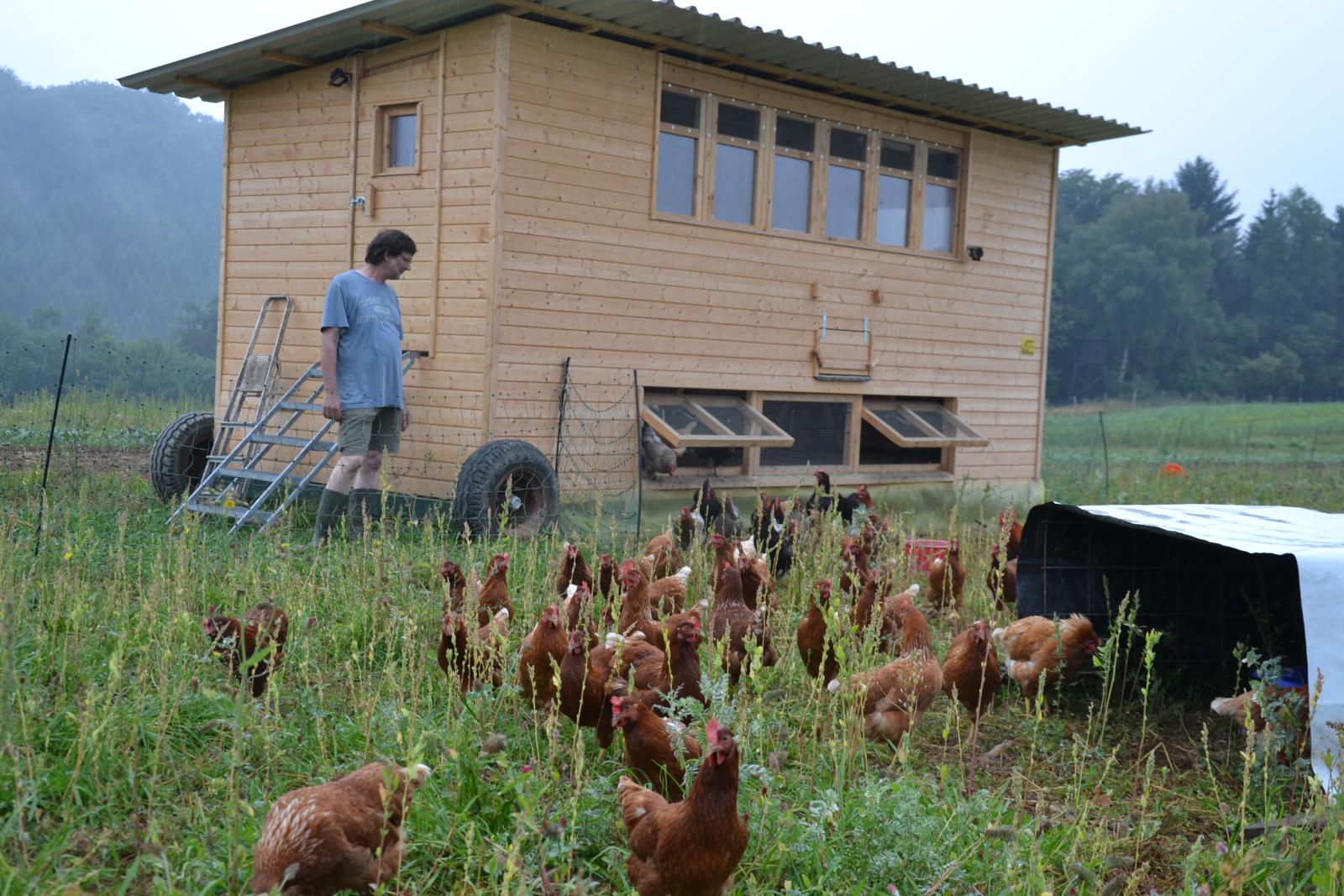
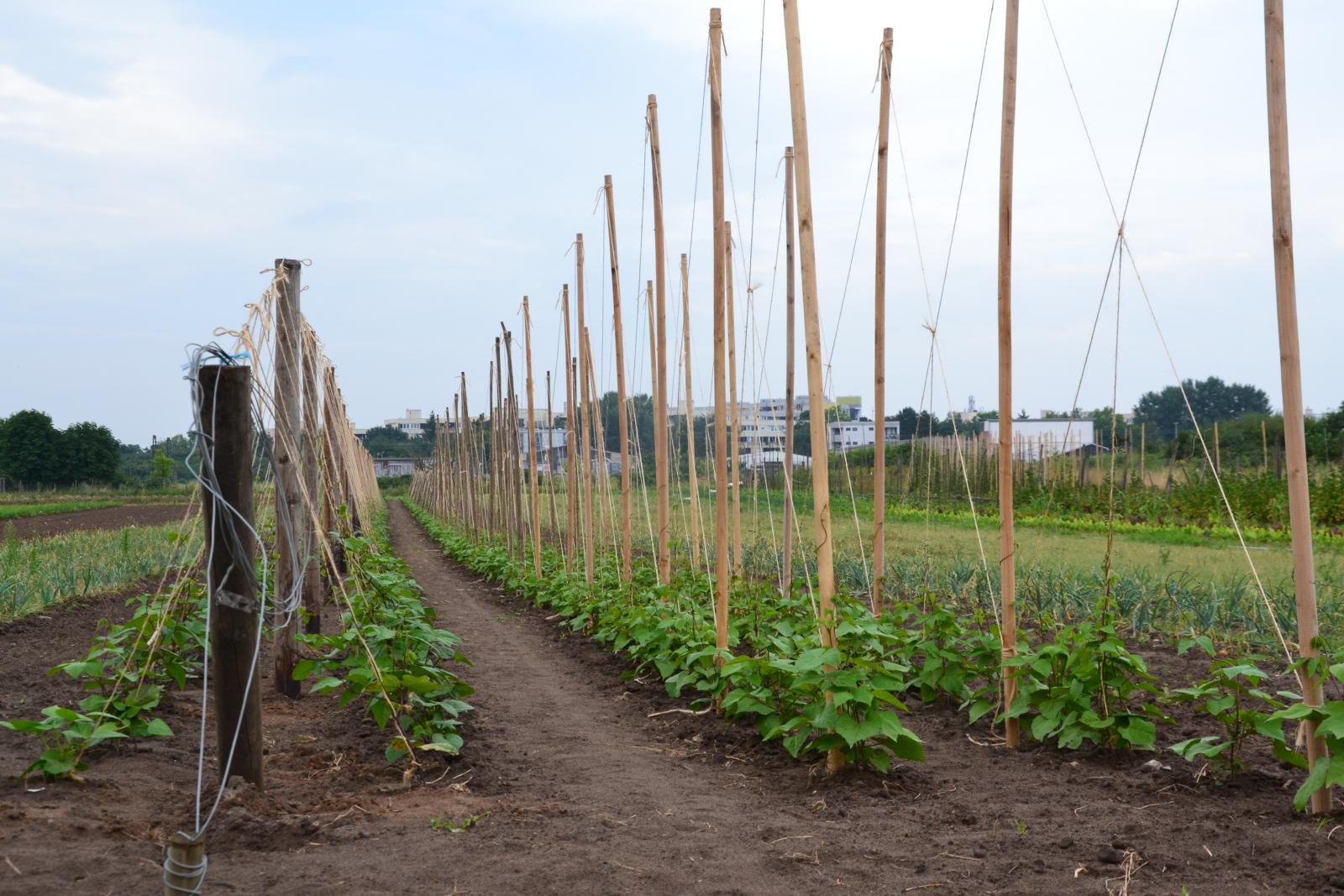
The Community Supported Agriculture initiative in Bonn (SoLaWi Bonn) is an economically motivated arrangement between consumers, farm businesses and certified gardeners to improve the urban provision of local, organic food. Together they develop a concept for collaboration where the consumer group commits to pay an annual fee to cover all of the farmer's expenses for production (according to individual financial capabilities) and to work placements at the farm per year. In exchange, the customer members of the initiative receive a variety of fresh, seasonal, locally produced vegetables. The farmers profit from financial security and economic stability and the ability to apply environmental friendly agriculture practices without the pressure of the market economy (1,4).
Overview
Nature-based solution
- Community gardens and allotments
- Allotments
- Horticulture
- Other
Key challenges
- Green space, habitats and biodiversity (SDG 15)
- Habitat and biodiversity restoration
- Environmental quality
- Soil quality improvement
- Waste management
- Inclusive and effective governance (SDG 16)
- Inclusive governance
- Social justice, cohesion and equity (SDG 10)
- Social cohesion
- Environmental education
- Economic development and employment (SDG 8)
- Economic development: agriculture
- Employment/job creation
- Cultural heritage and cultural diversity
- Preservation of natural heritage
- Protection of historic and cultural landscape/infrastructure
- Sustainable consumption and production (SDG 12)
- Sustainable consumption
- Sustainable production
Focus
Project objectives
Implementation activities
Biodiversity conservation or restoration-focused activities
Biodiversity restoration:
- Restore species (native, endangered, or unspecified)
- Restore native species
Main beneficiaries
- Private sector/Corporate/Company
- Citizens or community groups
- Food producers and cultivators (i.e. farmers, gardeners)
Governance
Management set-up
- Led by non-government actors
Type of initiating organisation
- Non-government organisation/civil society
Participatory approaches/ community involvement
- Co-planning (e.g. stakeholder workshops, focus groups, participatory mapping)
- Crowd-sourcing/Crowd-funding/Participatory budget
- Taskforce groups
- Dissemination of information and education
- Consultation (e.g. workshop, surveys, community meetings, town halls)
- Joint implementation (e.g. tree planting)
- Co-management/Joint management
Details on the roles of the organisations involved in the project
Project implemented in response to ...
Financing
Total cost
Source(s) of funding
- Crowdfunding
Type of funding
- Membership or entrance fees
Non-financial contribution
- Provision of land
- Provision of labour
- Citizens (e.g. volunteering)
Impacts and Monitoring
Environmental impacts
- Climate change
- Reduced emissions
- Environmental quality
- Improved waste management
- Improved soil quality
Economic impacts
- Increase in agricultural production (for profit or not)
- Generation of income from NBS
- Increased market share for green economies
Socio-cultural impacts
- Social justice and cohesion
- Improved social cohesion
- Fair distribution of social, environmental and economic benefits of the NBS project
- Increased opportunities for social interaction
- Increased involvement of locals in the management of green spaces
- Increased access to healthy/affordable food
- Increased sustainability of agriculture practices
- Education
- Increased knowledge of locals about local nature
- Increased awareness of NBS and their benefits
Type of reported impacts
Presence of formal monitoring system
Presence of indicators used in reporting
Presence of monitoring/ evaluation reports
Availability of a web-based monitoring tool
References
2. Netzwerk solidarische Landwirtschaft (2017) Solidarische Landwirtschaft. Sich die Ernte teilen. Accessed on September 16, 2020 Source link
3. Bonn im Wandel (2016) Solidarische Landwirtschaft in Bonn. Accessed on September 16, 2020 Source link
4. Orphal, C. (2014) ‘Gemeinsam ackern auf dem Feld’, Kölnische Rundschau. Website not available
5. Schmitz, B. (2016) Solidarische Landwirtschaft. Website not available
6. Nürnberger, M. (2014) ‘Eine SoLaWi für Bonn. Wenn Menschen beginnen, sich für die Herkunft ihrer Lebensmittel zu interessieren’, Bauernstimme, June. Accessed on September 16, 2020 Source link.
7. Bonn im Wandel (2016) Über uns. Bonn im Wandel. Accessed on September 16, 2020 Source link