

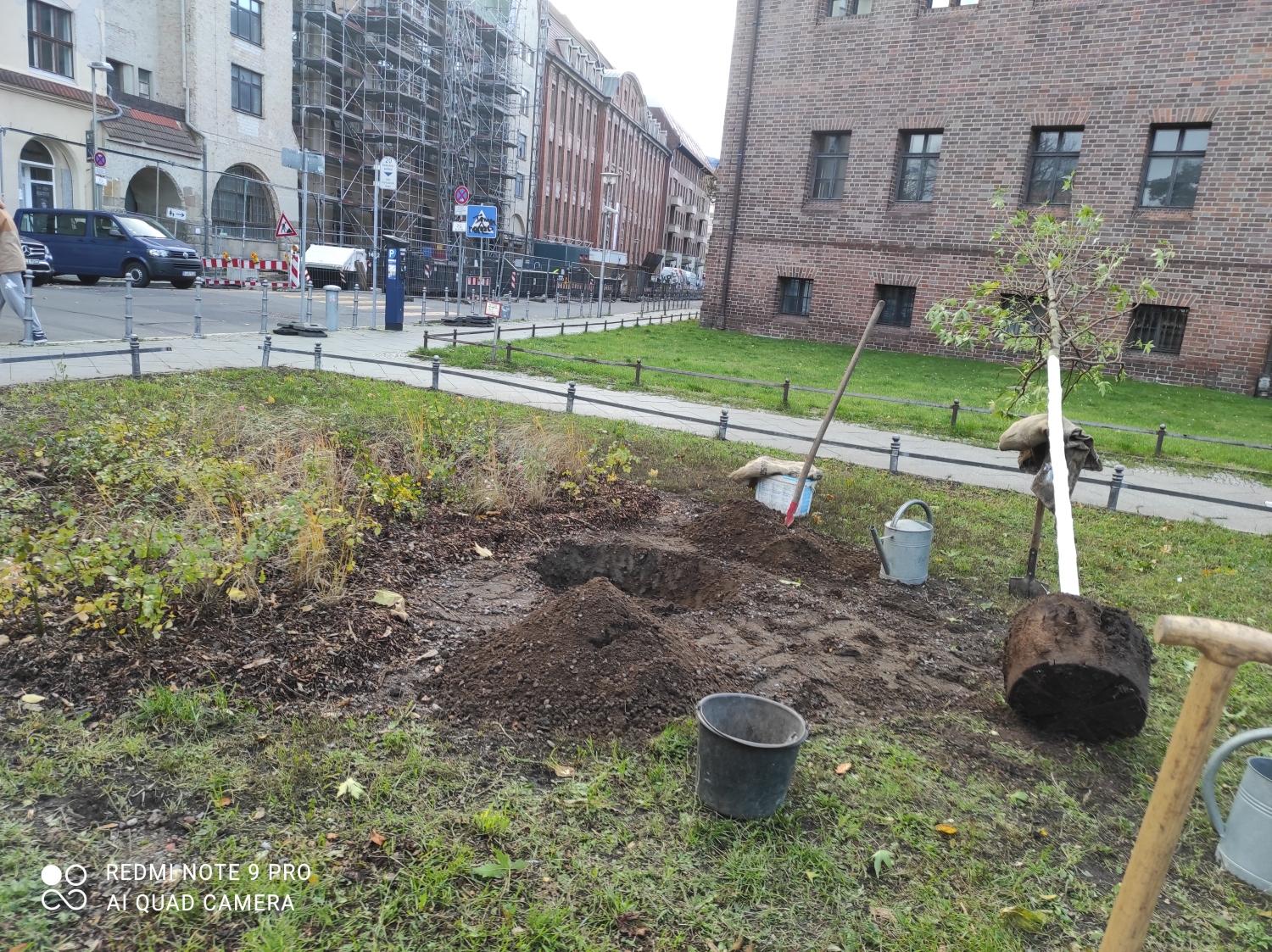
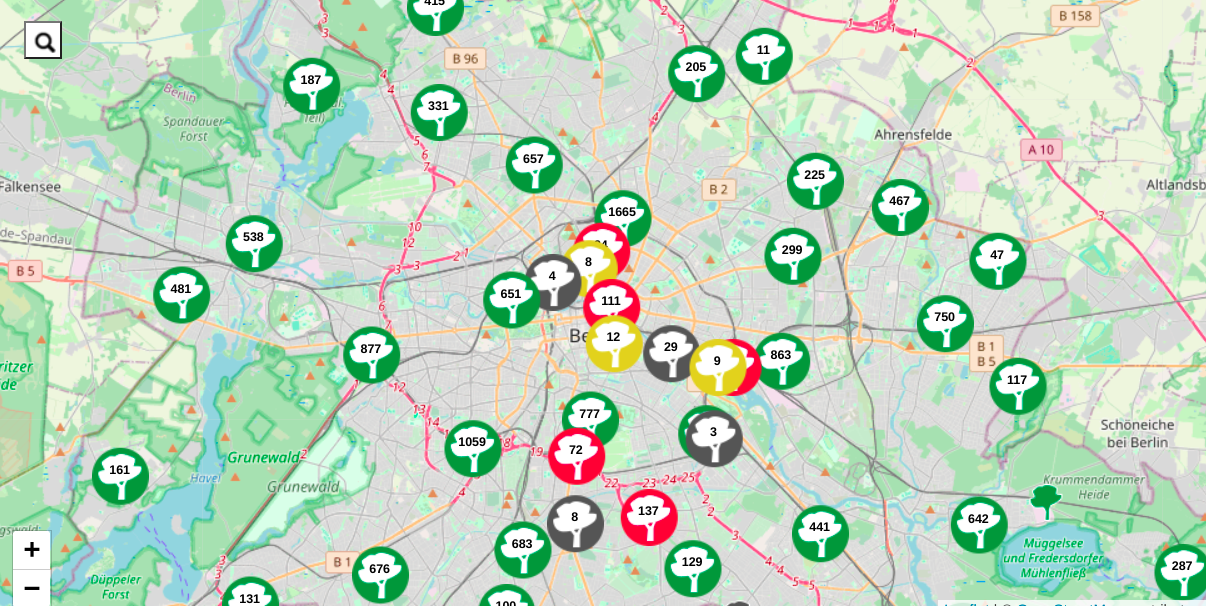
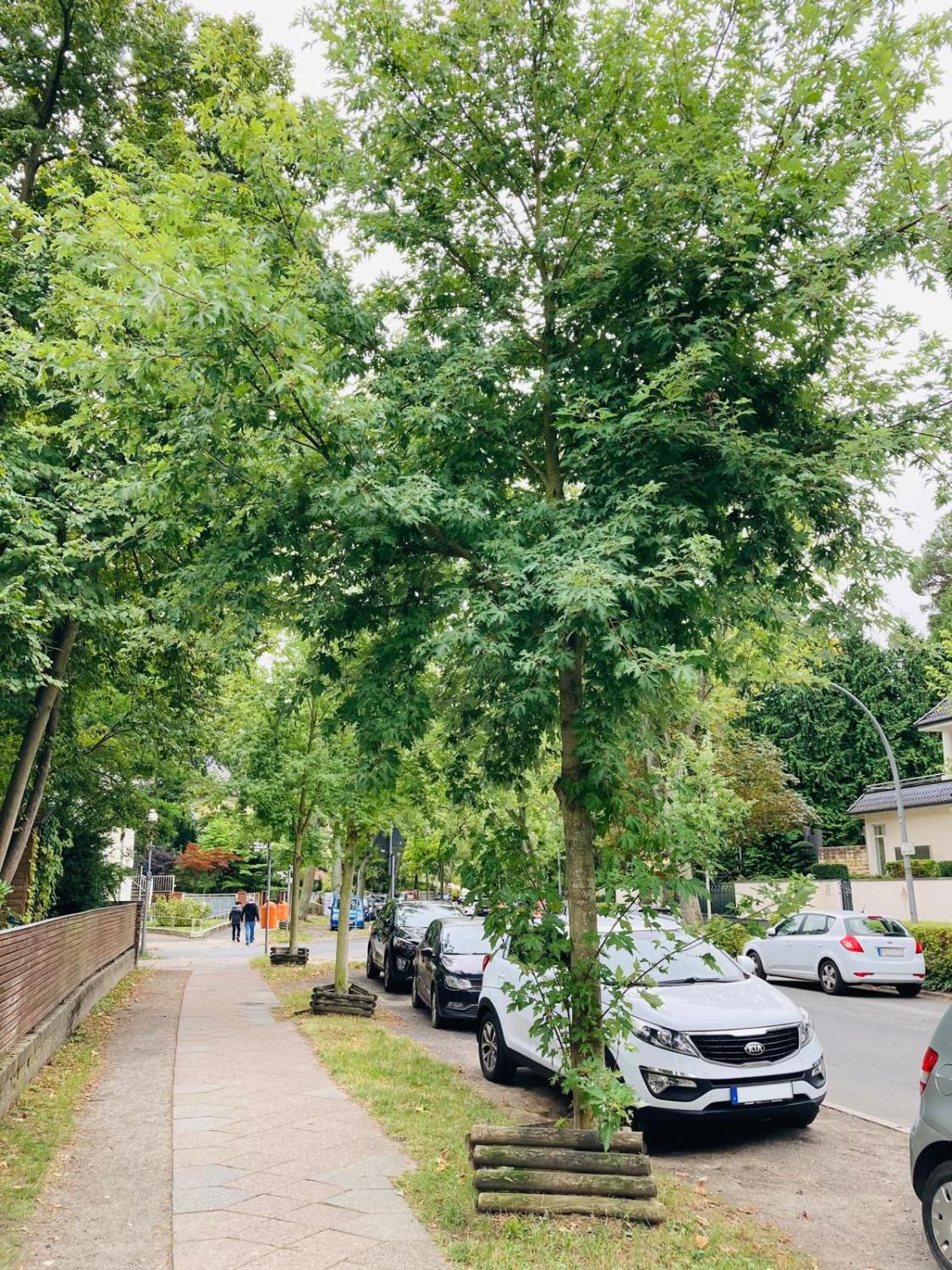
The city-wide project Urban Trees for Berlin was launched in 2012 with an ambitious goal: to plant 10,000 roadside trees within five years. This campaign, a key part of the Berlin Senate's Urban Green Space Strategy, is a collaboration between the Senate Department responsible for the environment and Berlin’s district authorities. Initially set to end in 2017, the campaign was extended through 2026. The project was created to address the loss of numerous roadside trees that were removed due to age, pests, climate stress, and other factors. Limited funds had been available to replace these trees, resulting in negative impacts on Berlin's urban climate, including higher temperatures and worsened air quality, which affect both residents and visitors. The campaign aims to reverse these impacts by securing funding for new trees, restoring greenery to the city streets, and promoting a lasting positive image of Berlin’s urban trees. The campaign operates on a co-funding model, where individuals, organizations, and companies donate €500 per tree (individually or collectively), with the Senate covering the remaining costs from the state budget (approximately €2,000 per tree). The planting schedule and locations are organized twice annually, with information shared online to keep the public informed. In 2022, a new assessment of the project’s progress was conducted, commissioned by the Senate to the Arbo-tec office. Around 1,000 of the 3,500 trees planted as part of the campaign by autumn 2022 were evaluated. The selected locations included plantings from all previous construction phases, spanning 12 Berlin districts, with each district having 80 trees assessed from various phases and construction lots. This comprehensive evaluation is intended to ensure the long-term success and sustainability of the Urban Trees for Berlin initiative. (3, 4)
Overview
Nature-based solution
- Grey infrastructure featuring greens
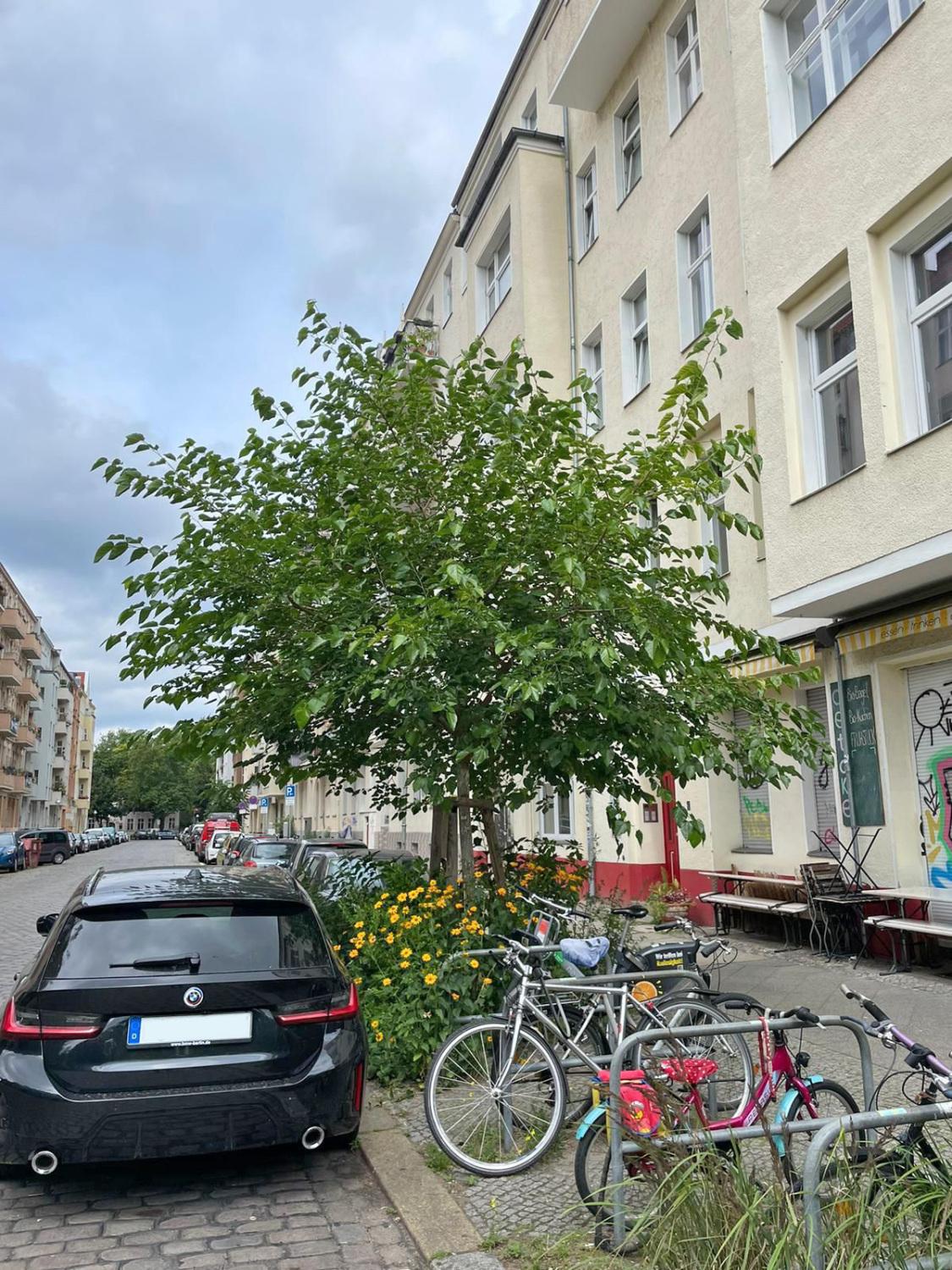
- Alley or street trees and other street vegetation
Key challenges
- Climate action for adaptation, resilience and mitigation (SDG 13)
- Climate change adaptation
- Climate change mitigation
- Green space, habitats and biodiversity (SDG 15)
- Green space creation and/or management
- Habitat and biodiversity restoration
- Regeneration, land-use and urban development
- Promote natural styles of landscape design for urban development
- Health and well-being (SDG 3)
- Creation of opportunities for recreation
- Improving physical health
- Social justice, cohesion and equity (SDG 10)
- Sense of community and community engagement
Principal problems in Functional Urban Area (FUA)
- Climate-Related Hazards
- Drought
- Heat stress & Extreme temperatures
- Extreme weather events (e.g. storms, hurricanes)
- Other
Key priorities
Focus
Project objectives
Implementation activities
Climate-focused activities
Climate change adaptation:
- Increase urban vegetation cover to reduce urban heat island effect
Climate change mitigation:
- Increase the availability of green urban space for carbon storage (street tree cover)
Biodiversity conservation or restoration-focused activities
Biodiversity restoration:
- Rehabilitate and restore damaged or destroyed ecosystems
- Restore native species
- Public engagement
Main beneficiaries
- Citizens or community groups
Governance
Management set-up
- Government-led
Type of initiating organisation
- Regional government
- Local government/municipality
Participatory approaches/ community involvement
- Co-planning (e.g. stakeholder workshops, focus groups, participatory mapping)
- Crowd-sourcing/Crowd-funding/Participatory budget
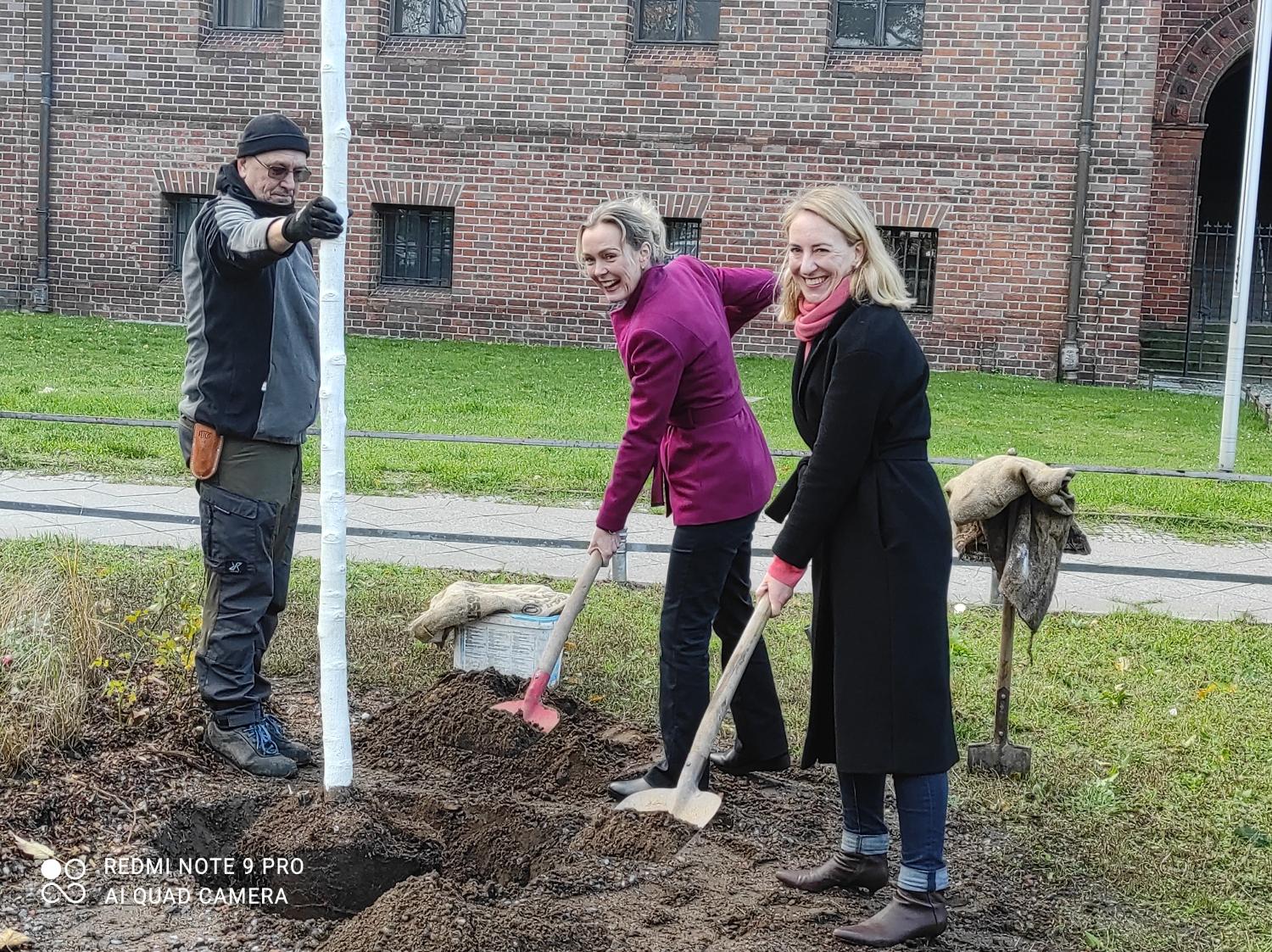
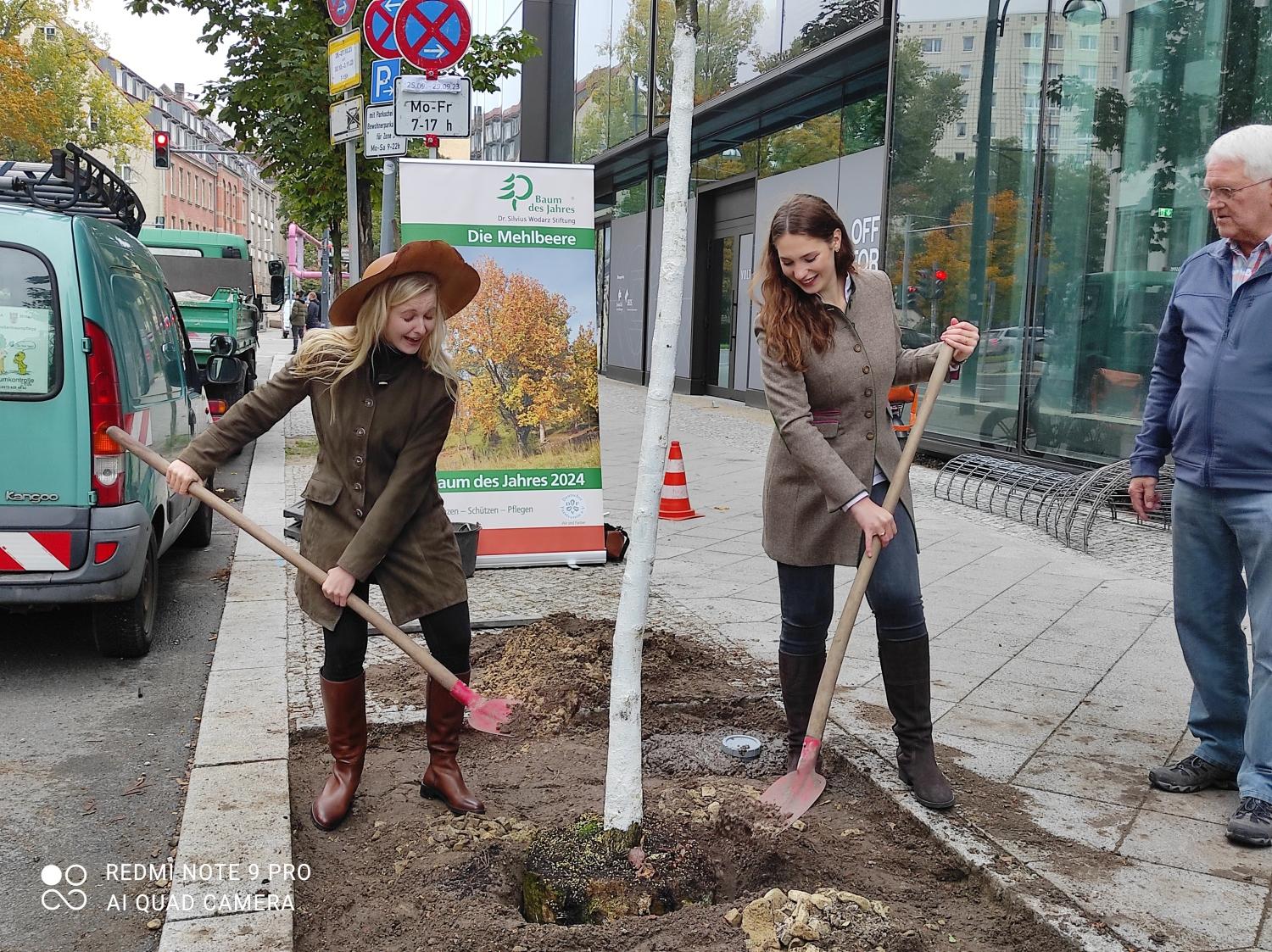
- Joint implementation (e.g. tree planting)
Details on the roles of the organisations involved in the project
Project implemented in response to ...
Type of enablers
Financing
Total cost
Source(s) of funding
- Public regional budget
- Corporate investment
- Private funding by citizens
Type of funding
- Earmarked public budget
- Direct funding (grants, subsidies, or self-financed projects by private entities)
- Donations
Non-financial contribution
- Provision of land
- Public authorities (e.g. land, utility services)
Impacts and Monitoring
Environmental impacts
- Climate change
- Lowered local temperature
- Expected lowered local temperature
- Enhanced carbon sequestration
- Achieved enhanced carbon sequestration
- Green space and habitat
- Increased green space area
- Achieved increased green space area
- Increased number of species present
- Achieved increased number of species present
Economic impacts
- Unknown
Socio-cultural impacts
- Health and wellbeing
- Gain in activities for recreation and exercise
- Expected gain in activities for recreation and exercise
Type of reported impacts
Presence of formal monitoring system
Presence of indicators used in reporting
Presence of monitoring/ evaluation reports
Availability of a web-based monitoring tool
Potential risks of implementation and trade-offs
References


 Information about this nature-based solution was collected as part of the Naturescapes project funded by the European Union under Grant Agreement No 101084341.