

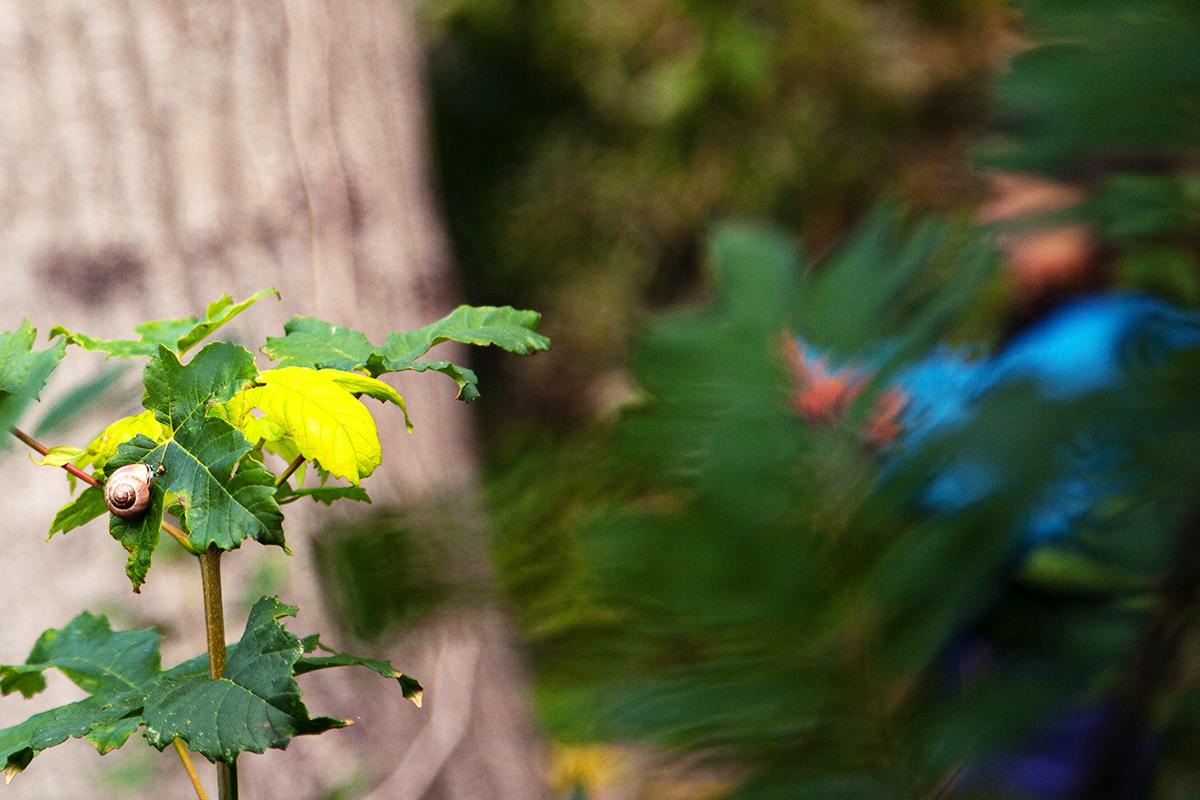
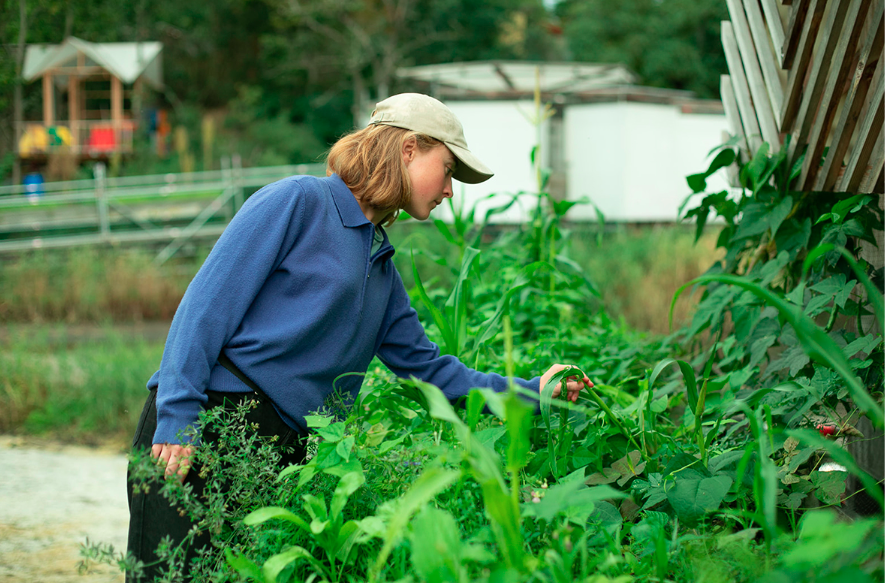
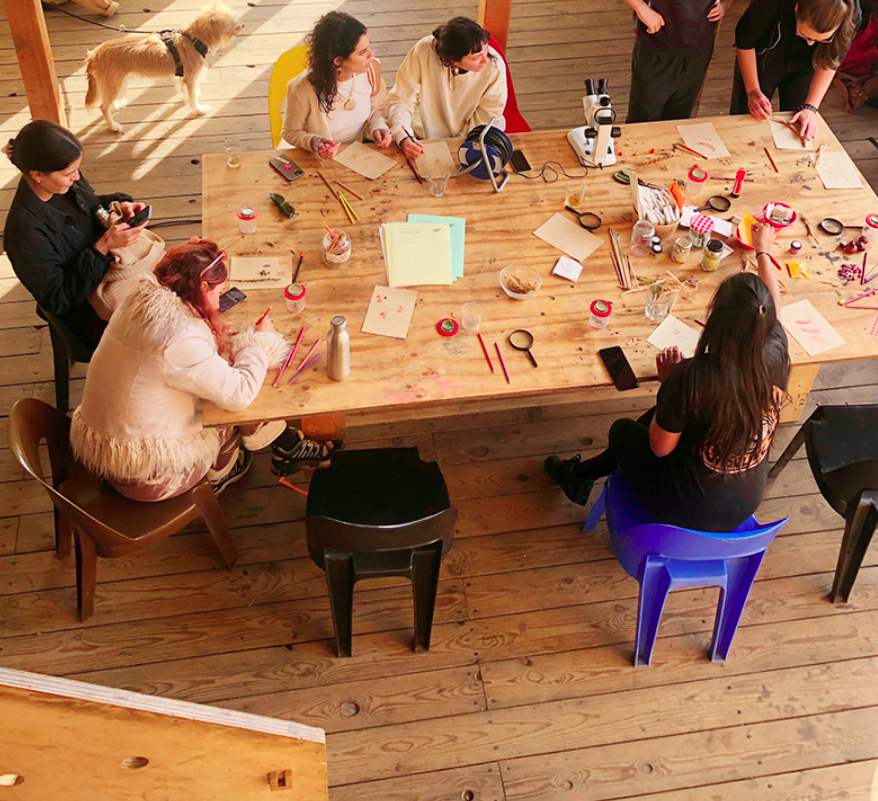
The Floating University was initiated in 2018 at the rainwater retention basin of the former Tempelhof airport in Berlin. Though not an official university, it serves as a space for transdisciplinary, communal learning, transforming an abandoned urban site into a vibrant community resource. The project reclaims the basin, hosting workshops and events that range from ecological lectures to cultural and art programs, fostering collaboration between diverse disciplines and communities. The architecture collective raumlaborberlin originally envisioned the project as a six-month initiative. Artists, universities, and seminar groups contributed to designing the space and organizing workshops. However, due to its success, an NGO, Floating e.V., was established to sustain the project. Today, the NGO manages the site and continues its mission of engaging communities with urban and ecological themes. After Tempelhof airport closed in 2008, the basin was infrequently cleaned, leading to contamination and sediment accumulation. Over time, a wetland ecosystem emerged, attracting plants, insects, birds, mammals, and amphibians. This natural development complements the Floating University’s infrastructure, which consists of open timber structures like a kitchen, art installations, communal spaces, vertical gardens, gardening beds, and an auditorium. These structures integrate seamlessly with the basin’s existing technical framework and wetland environment. Floating e.V. aims to make the basin accessible to Berlin’s urban population while sparking discussions about urban climate, resource management, and water cycles through diverse and artistic programs. Smaller initiatives focus on specific ecological themes, such as plant diversity and soil health, through projects like a seed archive and soil lab. The Floating University exemplifies how abandoned urban spaces can be revitalized into hubs for learning, creativity, and ecological awareness. (1-3, 8, 9)

Overview
Nature-based solution
- Blue infrastructure
- In-land wetlands, peatlands, swamps, and moors
- Community gardens and allotments
- Community gardens
- Other
- Intentionally unmanaged areas
- Abandoned spaces with growth of wilderness or greens
Key challenges
- Environmental quality
- Soil quality improvement
- Green space, habitats and biodiversity (SDG 15)
- Green space creation and/or management
- Habitat and biodiversity conservation
- Regeneration, land-use and urban development
- Conversion of former industrial areas
- Water management (SDG 6)
- Improvements to water quality
- Health and well-being (SDG 3)
- Creation of opportunities for recreation
- Inclusive and effective governance (SDG 16)
- Effective management
- Social justice, cohesion and equity (SDG 10)
- Social interaction
- Environmental education
- Sustainable consumption and production (SDG 12)
- Sustainable production
Principal problems in Functional Urban Area (FUA)
- Environmental Degradation
- Biodiversity loss
- Soil degradation and loss
- Poor water quality
- Land use and Socio-economic change
- Unequal availability and access to public green spaces
- Health, Well-being and Social cohesion
- Disconnection from nature
- Other
Key priorities
Focus
Project objectives
Implementation activities
Biodiversity conservation or restoration-focused activities
Biodiversity conservation:
- Protect and enhance urban habitats
- Preserve and strengthen existing habitats and ecosystems
- Create new habitats
- Protect species
- Take measures for ex situ conservation
- Means for conservation governance
- Biodiversity offsets
- Public engagement
Main beneficiaries
- Researchers/University
- Citizens or community groups
- Young people and children
- Other
Governance
Management set-up
- Led by non-government actors
Type of initiating organisation
- Non-government organisation/civil society
- Citizens or community group
- Researchers/university
Participatory approaches/ community involvement
- Co-planning (e.g. stakeholder workshops, focus groups, participatory mapping)
- Dissemination of information and education
- Joint implementation (e.g. tree planting)
- Co-management/Joint management
- Citizen monitoring and review
Details on the roles of the organisations involved in the project
Project implemented in response to ...
Type of enablers
Financing
Total cost
Source(s) of funding
- Public national budget
- Corporate investment
Type of funding
- Earmarked public budget
- Direct funding (grants, subsidies, or self-financed projects by private entities)
- Other
Non-financial contribution
- Provision of land
- Provision of labour
- Provision of expertise
- Public authorities (e.g. land, utility services)
- Citizens (e.g. volunteering)
- Other
Impacts and Monitoring
Environmental impacts
- Environmental quality
- Improved soil quality
- Expected improved soil quality
- Water management and blue areas
- Improved water quality
- Achieved improved water quality
- Green space and habitat
- Reduced biodiversity loss
- Expected reduced biodiversity loss
- Increased presence and recovery of wild species
- Achieved increased presence and recovery of wild species
Economic impacts
- Unknown
Socio-cultural impacts
- Cultural heritage and sense of place
- Improvement in people’s connection to nature
- Expected improvement in people’s connection to nature
- Education
- Increased support for education and scientific research
- Achieved increased support for education and scientific research
- Increased knowledge of locals about local nature
- Expected increased knowledge of locals about local nature
Type of reported impacts
Presence of formal monitoring system
Presence of indicators used in reporting
Presence of monitoring/ evaluation reports
Availability of a web-based monitoring tool
Potential risks of implementation and trade-offs
References








 Information about this nature-based solution was collected as part of the Naturescapes project funded by the European Union under Grant Agreement No 101084341.