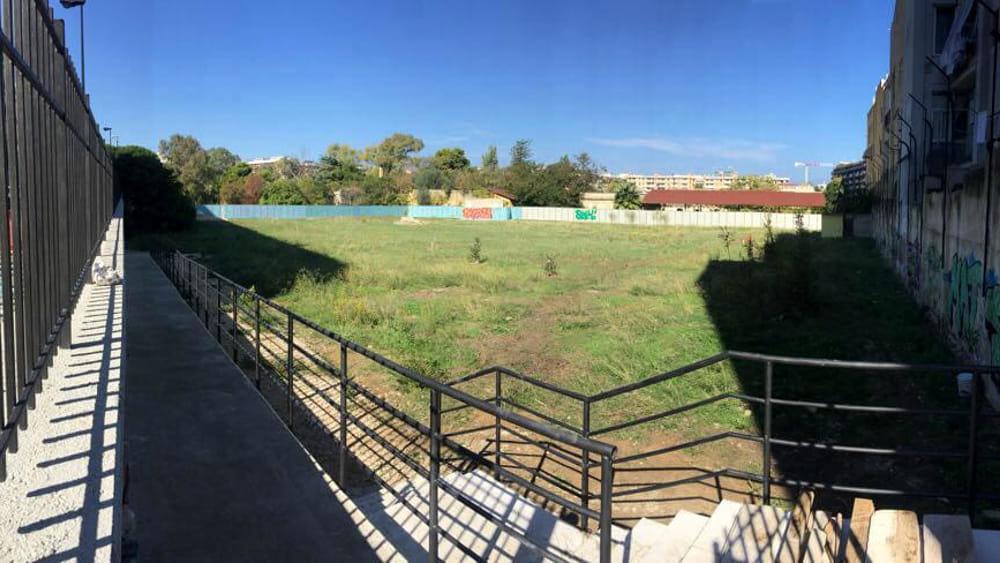
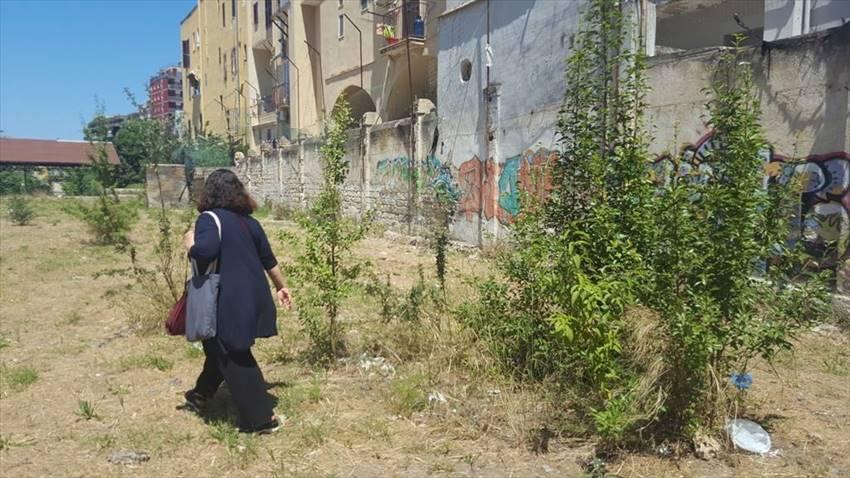
In 2017 the City of Bari provided funds to citizens and non profit associations to promote the regeneration of an abandoned area. Eventually an area of 4500 sqm was rehabilitated and the authorities plan to extend the area until the green space reaches 10,000 sqm. Among the planned interventions are the maintenance of greenery and trees, as well as the redevelopment of the side wall that borders the buildings. For the 4500 sqm intervention which was designed by the local community and migrant volunteers, the first multifunctional furniture was built at Bari. It was made with recycled wood, stones, fabrics and lots of goodwill during the natural architecture laboratory.The NBS allowed to have a green area where different activities were implemented such as green and educational laboratories. Also a shared gardening project (in order to promote the importance and the culture of preserving green areas) and social labs were organized(promoting school and sport activities outdoors). (Ref.1, 2, 3, 4)
Overview
Nature-based solution
- Parks and urban forests
- Pocket parks/neighbourhood green spaces
Key challenges
- Green space, habitats and biodiversity (SDG 15)
- Habitat and biodiversity restoration
- Green space creation and/or management
- Regeneration, land-use and urban development
- Regulation of built environment
- Promote natural styles of landscape design for urban development
- Social justice, cohesion and equity (SDG 10)
- Social cohesion
- Social interaction
- Health and well-being (SDG 3)
- Enabling opportunities for physical activity
- Improving mental health
- Improving physical health
- Creation of opportunities for recreation
Focus
Project objectives
Implementation activities
Biodiversity conservation or restoration-focused activities
Biodiversity restoration:
- Restore ecological connectivity
- Public engagement
Main beneficiaries
- Local government/Municipality
- Citizens or community groups
- Young people and children
Governance
Management set-up
- Government-led
Type of initiating organisation
- Local government/municipality
- Citizens or community group
Participatory approaches/ community involvement
- Co-planning (e.g. stakeholder workshops, focus groups, participatory mapping)
- Consultation (e.g. workshop, surveys, community meetings, town halls)
- Joint implementation (e.g. tree planting)
- Co-management/Joint management
Details on the roles of the organisations involved in the project
Project implemented in response to ...
Financing
Total cost
Source(s) of funding
- Public local authority budget
Type of funding
- Direct funding (grants, subsidies, or self-financed projects by private entities)
Non-financial contribution
- Provision of land
- Provision of goods
- Provision of labour
- Public authorities (e.g. land, utility services)
- Citizens (e.g. volunteering)
Impacts and Monitoring
Environmental impacts
- Environmental quality
- Improved air quality
- Green space and habitat
- Increased green space area
- Increased conservation or restoration of ecosystems
- Increased conversion of degraded land or soil
- Restoration of derelict areas
Economic impacts
- Unknown
Socio-cultural impacts
- Social justice and cohesion
- Improved liveability
- Improved access to urban green space
- Increased opportunities for social interaction
- Health and wellbeing
- Improved physical health
- Improved mental health
- Gain in activities for recreation and exercise
Type of reported impacts
Presence of formal monitoring system
Presence of indicators used in reporting
Presence of monitoring/ evaluation reports
Availability of a web-based monitoring tool
References
Ref.2. Source link (2017). Ex Rossani, laboratori di rigenerazione urbana. Available at: Source link 18-6-2020)
Ref. 3 BariToday (2019), L'area di parco Gargasole raddoppia: la Giunta dice sì all'ampliamento degli spazi condivisi, Available at Source link, (Accessed 18-6-2020)
Ref. 4 Tommy Tedone (no date), A Bari via libera all'ampliamento del Parco Gargasole, Blog post, Available at Source link (Accessed 10-7-2020)