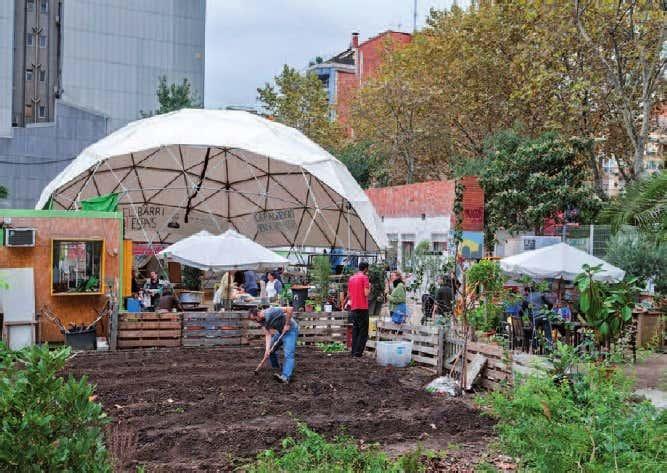
This is a co-management initiative fostered by the City Council of Barcelona that aims to involve civil society in defining, installing and managing unused spaces across all districts of the city. The city council provides temporary use for public entities or non-profit associations to develop temporary uses and activities (from one year to three renewable years) in order to promote social activism and cohesion in the neighborhood. Most part of activities are social urban gardens (Ref 1). The initiative had 2 editions, with 12 projects in the first one (2013) and 5 projects in the second one (2015) (Ref. 12). One of the most popular projects is the community gardens such as ConnectHort, in Poblenou, dedicated to permaculture, which has allowed the restoration of an abandoned area through sustainable urban agriculture practices (Ref. 12). Another project, the Illa dels Tres Horts project in the Font de la Guatlla neighborhood, is an orchard where work is done with vulnerable groups and allow the recovery of vulnerable species (Ref. 12)
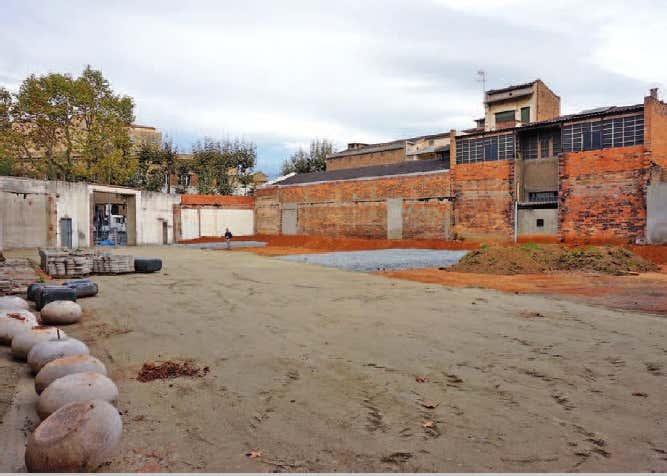
Overview
Nature-based solution
- Community gardens and allotments
- Allotments
- Community gardens
Key challenges
- Green space, habitats and biodiversity (SDG 15)
- Habitat and biodiversity restoration
- Green space creation and/or management
- Regeneration, land-use and urban development
- Regulation of built environment
- Conversion of former industrial areas
- Promote natural styles of landscape design for urban development
- Inclusive and effective governance (SDG 16)
- Inclusive governance
- Effective management
- Social justice, cohesion and equity (SDG 10)
- Social justice and equity
- Social cohesion
- Social interaction
- Health and well-being (SDG 3)
- Creation of opportunities for recreation
- Sustainable consumption and production (SDG 12)
- Sustainable production
Focus
Project objectives
Implementation activities
Biodiversity conservation or restoration-focused activities
Biodiversity restoration:
- Restore species (native, endangered, or unspecified)
- Restore valued species
- Restore endangered species
- Other
Main beneficiaries
- Local government/Municipality
- Non-government organisation/Civil Society
- Citizens or community groups
- Marginalized groups: Other
Governance
Management set-up
- Co-governance with government and non-government actors
Type of initiating organisation
- Local government/municipality
- Citizens or community group
Participatory approaches/ community involvement
- Co-planning (e.g. stakeholder workshops, focus groups, participatory mapping)
- Dissemination of information and education
- Joint implementation (e.g. tree planting)
- Co-management/Joint management
- Other
Details on the roles of the organisations involved in the project
Project implemented in response to ...
Financing
Total cost
Source(s) of funding
- Public local authority budget
Type of funding
- Earmarked public budget
- Unknown
Non-financial contribution
- Provision of land
- Provision of goods
- Provision of labour
- Provision of other services
- Public authorities (e.g. land, utility services)
- Citizens (e.g. volunteering)
Impacts and Monitoring
Environmental impacts
- Green space and habitat
- Increased green space area
- Increased conservation or restoration of ecosystems
- Reduced biodiversity loss
- Increased number of species present
- Increased protection of threatened species
- Restoration of derelict areas
- Other
Economic impacts
- Increase of green jobs (e.g. paid employment positions)
- Reduce financial cost for urban management
- Increase in agricultural production (for profit or not)
- Increased market share for green economies
- Other
Socio-cultural impacts
- Social justice and cohesion
- Improved social cohesion
- Fair distribution of social, environmental and economic benefits of the NBS project
- Improved liveability
- Improved access to urban green space
- Increased visibility and opportunity for marginalised groups or indigenous peoples
- Increased opportunities for social interaction
- Increased involvement of locals in the management of green spaces
- Increased access to healthy/affordable food
- Increased sustainability of agriculture practices
- Health and wellbeing
- Gain in activities for recreation and exercise
- Cultural heritage and sense of place
- Promotion of cultural diversity
- Other
Type of reported impacts
Presence of formal monitoring system
Presence of indicators used in reporting
Presence of monitoring/ evaluation reports
Availability of a web-based monitoring tool
References
2. More vacant lots available for the second round of bids under the BUITS Plan: Source link (website not available in 2020)
3. Balanzó, R. and Rodríguez-Planas, N. (2017). Crisis and Reorganization in Urban Dynamics: The Barcelona Case Study. IZA Institute of Labor Economics. Available at: Source link (Accessed: July 17, 2020)
4. Ajuntament de Barcelona. (2016). "Ecología, Urbanismo, Infraestructuras y Movilidad: PLA BUIT". Available at: Source link (Accessed: July 17, 2020)
5. Ajuntament de Barcelona. (2016). Project Calendar. Available at: Source link (Accessed: July 17, 2020)
6. Ajuntament de Barcelona (no date). "Ecología, Urbanismo, Infraestructuras y Movilidad: Espacios en activo". Available at: Source link (Accessed: July 17, 2020)
7. Buit Plan data: Source link (website not available in 2020)
8. Ajuntament de Barcelona. (2012). "Mesura de Govern PLA BUITS: Buits Urbans amb Implicació Territorial i Social Project Plan". Available at: Source link (Accessed: July 17, 2020)
9. Mansilla, J. (2014). The Pla Buits or how to tame the space. "El Pla Buits o cómo domesticar el espacio". Available at: Source link (Accessed: July 17, 2020)
10. Pla Buits: Source link (website not available in 2020).
11. Anon. (no date). "Pla buits - buits urbans amb implicació territorial i social (Barcelona)". Available at: Source link (Accessed: July 17, 2020)
12. Baiges, C. (2016). "El Pla Buits de Barcelona: Experiencias". Experiencias CyTET. Available at: Source link (Accessed: July 17, 2020)
13. Gascó, M. and van Eijk, C. (2018). Case Study—The Spanish Project Pla BUITS. Available at: Source link (Accessed: July 17, 2020)