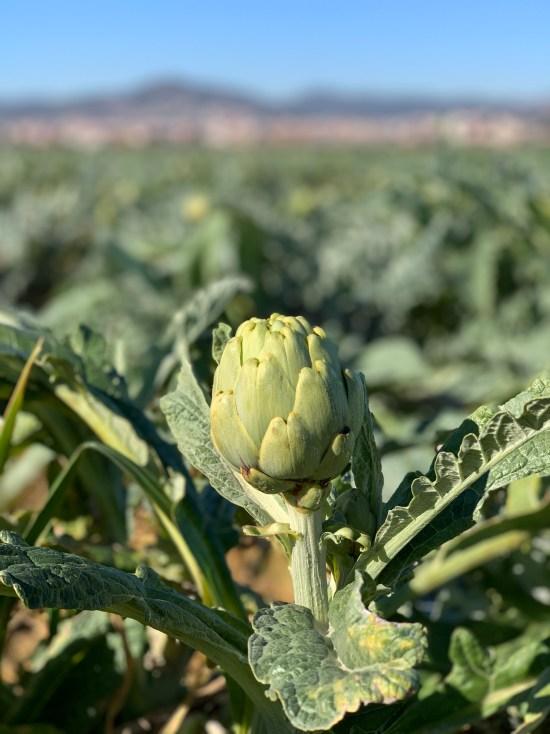
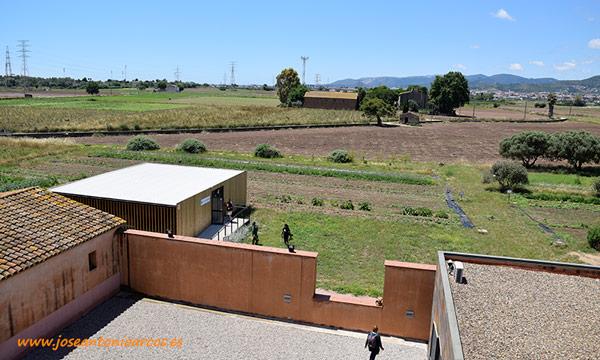
The Parc Agrari del Baix Llobregat is located in the floodplains of the delta and lower valley of the river Llobregat, in the Catalan county of Baix Llobregat, in a central position within the metropolitan area of Barcelona. The territory of the park (nearly 3500 hectares), includes a rich traditional agricultural activity and comprises fourteen municipalities totaling about 818,000 residents. It is protected by a specific planning instrument and managed by the Barcelona Provincial Council (Diputació de Barcelona) (Ref. 1 and 9). The park acts as a green lung for the metropolitan area of Barcelona and at the same time as a pantry for Mercabarna, the large wholesale market that provides food and drink to the inhabitants of Barcelona and surrounding towns, although there is also production that is exported (Ref. 10). The Agrarian Park is the only one in the world so close to a large city and it promotes specific programs to preserve the productive values of the agricultural space and promotes quality local products and local consumption. (Ref. 10)
Overview
Nature-based solution
- Community gardens and allotments
- Other
- Parks and urban forests
- Large urban parks or forests
Key challenges
- Green space, habitats and biodiversity (SDG 15)
- Habitat and biodiversity conservation
- Green space creation and/or management
- Regeneration, land-use and urban development
- Regulation of built environment
- Cultural heritage and cultural diversity
- Preservation of natural heritage
- Protection of historic and cultural landscape/infrastructure
- Health and well-being (SDG 3)
- Enabling opportunities for physical activity
- Improving mental health
- Creation of opportunities for recreation
- Inclusive and effective governance (SDG 16)
- Inclusive governance
- Effective management
- Social justice, cohesion and equity (SDG 10)
- Social cohesion
- Social justice and equity
- Social interaction
- Environmental education
- Economic development and employment (SDG 8)
- Economic development: agriculture
- Employment/job creation
- Sustainable consumption and production (SDG 12)
- Sustainable consumption
- Sustainable production
Focus
Project objectives
Implementation activities
Biodiversity conservation or restoration-focused activities
Biodiversity conservation:
- Protect and enhance urban habitats
- Preserve and strengthen existing habitats and ecosystems
- Reduce negative impacts and avoid the alteration/damage of ecosystem
- Protect species
- Undertake specific measures to protect species
- Means for conservation governance
- Manage biological resources for conservation and sustainable use
- Create and use scientific knowledge for conservation
- Other
Main beneficiaries
- Local government/Municipality
- Non-government organisation/Civil Society
- Researchers/University
- Citizens or community groups
- Food producers and cultivators (i.e. farmers, gardeners)
Governance
Management set-up
- Co-governance with government and non-government actors
Type of initiating organisation
- Regional government
- Local government/municipality
- Other
Participatory approaches/ community involvement
- Dissemination of information and education
- Consultation (e.g. workshop, surveys, community meetings, town halls)
- Joint implementation (e.g. tree planting)
- Co-management/Joint management
- Citizen oversight (e.g. boards, advisory)
Details on the roles of the organisations involved in the project
Project implemented in response to ...
Financing
Total cost
Source(s) of funding
- Public local authority budget
- EU funds
Type of funding
- Earmarked public budget
- Direct funding (grants, subsidies, or self-financed projects by private entities)
Non-financial contribution
- Provision of land
- Provision of goods
- Provision of labour
- Provision of other services
- Exchange of services
- Public authorities (e.g. land, utility services)
- Citizens (e.g. volunteering)
Impacts and Monitoring
Environmental impacts
- Climate change
- Reduced emissions
- Environmental quality
- Improved air quality
- Improved soil quality
- Water management and blue areas
- Enhanced protection and restoration of coastal and marine ecosystems
- Green space and habitat
- Increased green space area
- Increased conservation or restoration of ecosystems
- Increased ecological connectivity across regeneration sites and scales
- Increased conversion of degraded land or soil
- Reduced biodiversity loss
- Increased number of species present
- Improved prevention or control of invasive alien species
- Increased spread of native/heirloom/open-pollinated seed
- Other
Economic impacts
- Increase of green jobs (e.g. paid employment positions)
- More sustainable tourism
- Stimulate development in deprived areas
- Increase in agricultural production (for profit or not)
- Attraction of business and investment
- Generation of income from NBS
- Increased market share for green economies
- Other
Socio-cultural impacts
- Social justice and cohesion
- Improved social cohesion
- Fair distribution of social, environmental and economic benefits of the NBS project
- Increased visibility and opportunity for marginalised groups or indigenous peoples
- Increased opportunities for social interaction
- Increased involvement of locals in the management of green spaces
- Increased access to healthy/affordable food
- Increased sustainability of agriculture practices
- Health and wellbeing
- Improved physical health
- Improved mental health
- Cultural heritage and sense of place
- Improvement in people’s connection to nature
- Protection of natural heritage
- Protection of historic and cultural landscape / infrastructure
- Increased sense of place identity, memory and belonging
- Increased awareness of flora and fauna as culturally and historically meaningful
- Increased appreciation for natural spaces
- Education
- Increased support for education and scientific research
- Increased knowledge of locals about local nature
- Increased awareness of NBS and their benefits
- Safety
- Increased perception of safety
- Other
Type of reported impacts
Presence of formal monitoring system
Presence of indicators used in reporting
Presence of monitoring/ evaluation reports
Availability of a web-based monitoring tool
References
2. Generalitat de Barcelona (2015). "Revisió del Pla Especial de Protecció i Millora del Parc Agrari del Baix Llobegrat". Available at: Source link (Accessed: July 27, 2020)
3. Diputació Barcelona (no date). Plan step-by-step development. Available at: Source link (Accessed: July 27, 2020)
4. Parc Agrari del Baix Llobegrat (2013). Línies Prioritáries d’actució 2013. Available at: Source link (Accessed: July 27, 2020)
5. Diputació Barcelona (no date). Management bodies. Available at: Source link (Accessed: July 27, 2020)
6. Dawber, A. (2015). Barcelona smell: Agricultural park in Baix Llobregat blamed for stink hanging over Spanish city. The Independent Diary. Available at: Source link (Accessed: July 27, 2020)
7. Montasell i Dorda, J. and Callau i Berenguer, S. (2008). The Baix Llobregat Agricultural Park (Barcelona): An instrument for preserving, developing and managing a periurban agricultural area. Available at: Source link (Accessed: July 27, 2020)
8. Serafina, S. (2010). Farming at Parc Agrari: Barcelona's backyard. Metropolitan Barcelona. Available at: Source link (Accessed: July 27, 2020)
9. European Commission (no date). Preparation and implementation of a pilot action for the conservation, improvement and economic promotion of Barcelona suburban agricultural area. Available at: Source link (Accessed: July 27, 2020)
10. Blog Hedonista (2019). El Parc Agrari del Baix Llobregat. Available at: Source link (Accessed: July 27, 2020)
11. Arcos, J. A. (2019). "Descubrimos la Huerta de Barcelona". Available at: Source link (Accessed: July 27, 2020)
12. VilaPress (2019). "El Consorcio del Parque Agrario del Baix Llobregat incorpora el AMB a su gestión". Available at: Source link (Accessed: July 27, 2020)