

Last updated: October 2021
Wertach Vital is a project to reconstitute the Wertach river between the southern Augsburg limits and its confluence with the river Lech. Starting from the south, the flood protection has been improved, the depth of the river bottom has been halted, the river bed has been expanded and the banks have been upgraded as a recreational area. A major part of the measures has been completed. The project is supported by the Free State of Bavaria and the City of Augsburg, co-financed by the EU (Ref. 1).
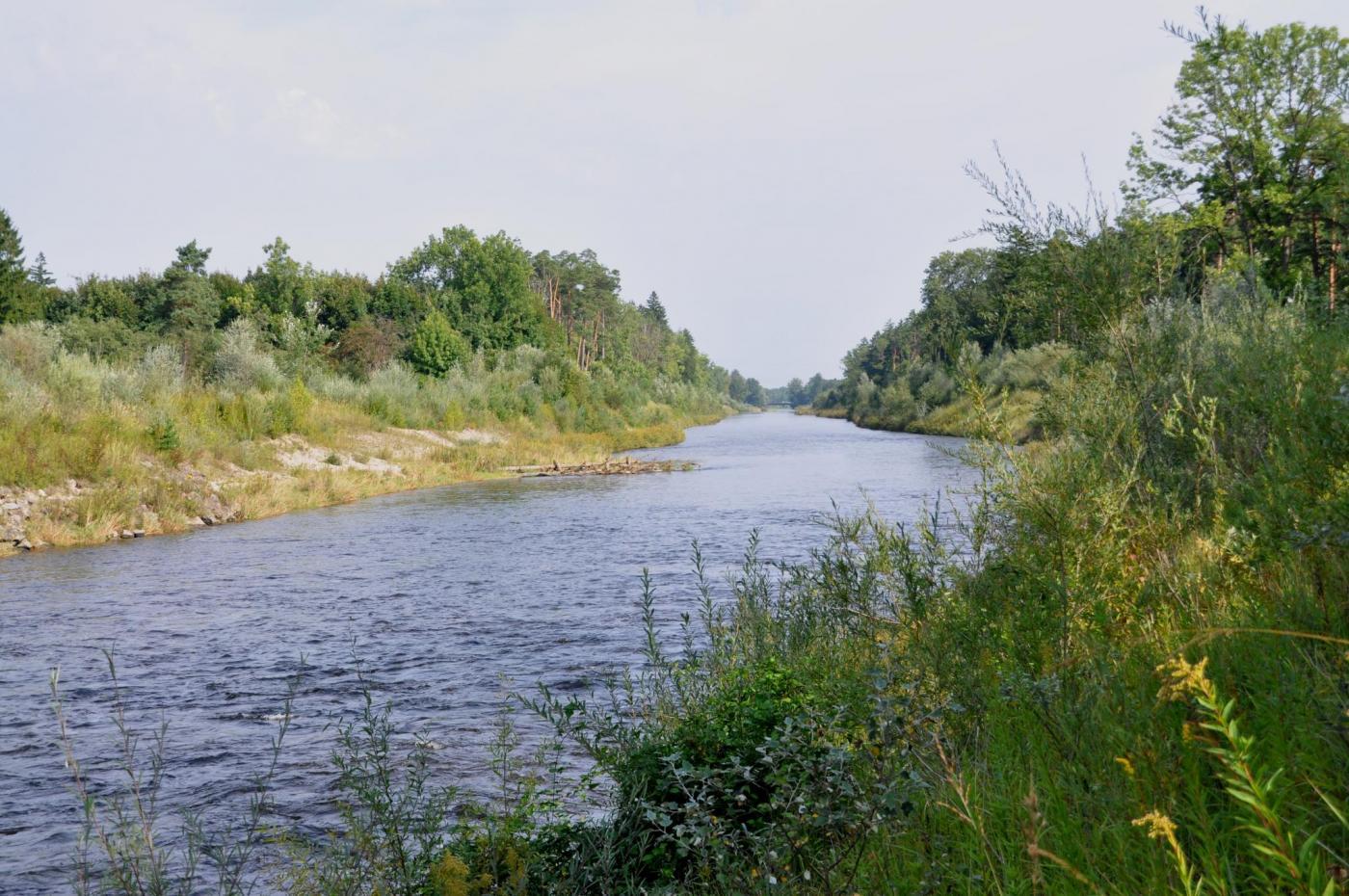
Phase 1 of the Project (2012)
Ralph Neumeier (Chief Officer), retrieved 08/15/2018
Overview
Nature-based solution
- Grey infrastructure featuring greens
- Blue infrastructure
- Riverbank/Lakeside greens
- Parks and urban forests
- Pocket parks/neighbourhood green spaces
- Green corridors and green belts
- Rivers/streams/canals/estuaries
Key challenges
- Water management (SDG 6)
- Flood protection
- Improvements to water quality
- Green space, habitats and biodiversity (SDG 15)
- Habitat and biodiversity conservation
- Green space creation and/or management
- Regeneration, land-use and urban development
- Promote natural styles of landscape design for urban development
- Health and well-being (SDG 3)
- Enabling opportunities for physical activity
- Creation of opportunities for recreation
Focus
Management and improved protection of rivers and other blue areas
Project objectives
1. To protect the Augsburg area from flooding (Ref. 2)
2. Regeneration of the natural habitats along the river (Ref. 2)
3. Development of a more natural river landscape (Ref. 2)
4. Provision of barrier-free passage of fish and other aquatic creatures along the river (Ref. 2)
5. New recreational facilities for citizens along the river Wertach (Ref. 3)
6. Improve the water quality in the city (Ref. 3)
Implementation activities
1. Initial flood protection measures implemented in the residential areas (Ref. 3)
2. The local railway bridge and the Luitpoldbrücke in Pfersee were built without an outflow-disturbing center pillar (Ref. 3)
3. Gravel banks in the waterfront areas are installed (Ref. 3)
4. The initial construction measures made the river banks accessible and attractive for the residents (Ref. 3)
5. Habitat protective directives applied to the river areas (Ref. 3)
Biodiversity conservation or restoration-focused activities
Biodiversity conservation:
- Protect and enhance urban habitats
- Preserve and strengthen existing habitats and ecosystems
- Reduce negative impacts and avoid the alteration/damage of ecosystem
Main beneficiaries
- Local government/Municipality
- Citizens or community groups
Governance
Management set-up
- Co-governance with government and non-government actors
Type of initiating organisation
- Regional government
Participatory approaches/ community involvement
- Co-planning (e.g. stakeholder workshops, focus groups, participatory mapping)
Details on the roles of the organisations involved in the project
1. Co-planning measures were implemented during the planning process: citizens could evaluate, critique and complement the project proposal (Ref. 2)
2. The project was planned in cooperation with the Technical University of Munich, the Federal Agency for Nature Conservation, the Federation for Bird Protection, the Lechallianz, the Natural History Association of Augsburg (Ref. 7)
Project implemented in response to ...
... an EU policy or strategy?
Yes
(European Water Framework Directive (WFD) defined the actions of Water Management Office Donauwörth (Wasserwirtschaftsamt Donauwörth) who were leading the project (Ref. 2).)
... a national policy or strategy?
Unknown
... a local policy or strategy?
Yes
(The project „Wertach Vital“ is a long-term city-level urban development program (Ref. 2).)
Financing
Total cost
More than €4,000,000
Source(s) of funding
- EU funds
- Public regional budget
- Public local authority budget
Type of funding
- Earmarked public budget
- Direct funding (grants, subsidies, or self-financed projects by private entities)
Non-financial contribution
Unknown
Impacts and Monitoring
Environmental impacts
- Water management and blue areas
- Improved water quality
- Increased protection against flooding
- Enhanced protection and restoration of freshwater ecosystems
- Green space and habitat
- Increased ecological connectivity across regeneration sites and scales
Economic impacts
- Unknown
Socio-cultural impacts
- Health and wellbeing
- Gain in activities for recreation and exercise
Type of reported impacts
Achieved impacts
Presence of formal monitoring system
Yes
Presence of indicators used in reporting
Yes
Presence of monitoring/ evaluation reports
Yes
Availability of a web-based monitoring tool
Yes
References
1. Regio Augsburg Tourism (n.d.). Umweltkompetenzin der Stadt Augsburg. Available at: Source link (Accessed: November 5, 2020).
2. Donauwörth Water Management Office (2018). Wertach vital II - Umsetzung. Available at: Source link (Accessed: November 5, 2020).
3. Donauwörth Water Management Office (2007). Wertach vital...natürlich für Augsburg. Available at: Source link (Accessed: November 5, 2020).
4. Umwelt and Gesundheit (2004). Ein neues Gesteinsbett für die Wertach. Available at: Source link (Accessed: November 5, 2020).
5. Wikipedia (2017). Wertach (Fluss). Available at: Source link (Accessed: November 5, 2020).
6. Unknown (n.d.). Wertach vital. Available at: Source link (Accessed: November 5, 2020).
7. Bayerisches Landesamt für Umwelt (2020). Wasserstand Augsburg Oberhausen / Wertach. Available at: Source link (Accessed: November 5, 2020).
2. Donauwörth Water Management Office (2018). Wertach vital II - Umsetzung. Available at: Source link (Accessed: November 5, 2020).
3. Donauwörth Water Management Office (2007). Wertach vital...natürlich für Augsburg. Available at: Source link (Accessed: November 5, 2020).
4. Umwelt and Gesundheit (2004). Ein neues Gesteinsbett für die Wertach. Available at: Source link (Accessed: November 5, 2020).
5. Wikipedia (2017). Wertach (Fluss). Available at: Source link (Accessed: November 5, 2020).
6. Unknown (n.d.). Wertach vital. Available at: Source link (Accessed: November 5, 2020).
7. Bayerisches Landesamt für Umwelt (2020). Wasserstand Augsburg Oberhausen / Wertach. Available at: Source link (Accessed: November 5, 2020).

Phase 2 of the Project (2018)
Ralph Neumeier (Chief Officer), retrieved 08/15/2018