

Last updated: June 2024
The ‘Mountain Forest Initiative’ was launched in 2009 by the Bavarian Ministry of Food, Agriculture and Forestry to restore the protective function of the vulnerable alpine forest in light of climate change, and was ongoing until 2014. To create a general sense of ownership in the process, the Mountain Forest Initiative sought the involvement of different stakeholders at the local level (e.g., private forest owners, land-use related authorities, hunters, nature conservationists, and tourism associations) (Ref. 1).
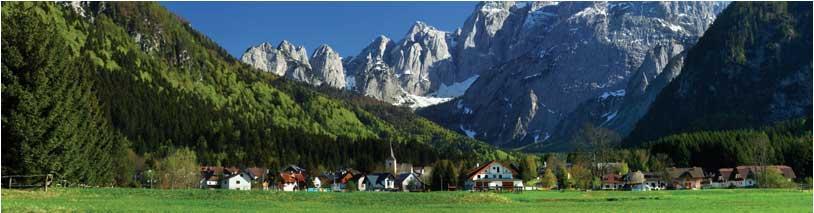
http://www.alpine-space.org/2007-2013/about-the-programme/asp-2007-2013/index.html
Overview
Nature-based solution
- Blue infrastructure
- Lakes/ponds
- Rivers/streams/canals/estuaries
- In-land wetlands, peatlands, swamps, and moors
- Other
- Parks and urban forests
- Large urban parks or forests
Key challenges
- Climate action for adaptation, resilience and mitigation (SDG 13)
- Climate change adaptation
- Green space, habitats and biodiversity (SDG 15)
- Habitat and biodiversity conservation
- Green space creation and/or management
- Water management (SDG 6)
- Flood protection
- Inclusive and effective governance (SDG 16)
- Inclusive governance
- Effective management
Focus
Strategy, plan or policy development
Project objectives
1. Adaptation to climate change (Ref. 2)
2. Inter-sectoral coordination in forest management (Ref. 1)
3. To facilitate measures for adaptation to climate change in private forests (Ref. 1)
4. Protection of biodiversity (Ref. 1)
5. Avoidance of natural hazards (Ref. 1)
6. To improve the age and species distribution of individual stocks (Ref. 1)
7. Encourage cross-border networking in integrated risk management (Ref. 5)
8. To decrease the flood risk (Ref. 5)
Implementation activities
1. Introduction of silvicultural measures (Ref. 1)
2. Rejuvenation of tree stands (Ref. 1)
3. Re-creation of protected areas in privately-owned and community forests (Ref. 1)
4. The promotion of the three main species (spruce, fir, and beech) in a site-adapted mixture (Ref. 1)
5. Risk prevention management (Ref. 3)
6. The size of natural flood plains, floodwater conduits, and basins increased (Ref. 5)
Climate-focused activities
Climate change adaptation:
- Renaturalization of rivers and other water bodies
Biodiversity conservation or restoration-focused activities
Biodiversity conservation:
- Protect and enhance urban habitats
- Preserve and strengthen existing habitats and ecosystems
- Create new habitats
- Reduce negative impacts and avoid the alteration/damage of ecosystem
- Protect species
- Undertake specific measures to protect species
- Means for conservation governance
- Manage biological resources for conservation and sustainable use
- Create and use scientific knowledge for conservation
- Capacity building
Main beneficiaries
- National-level government
- Local government/Municipality
- Non-government organisation/Civil Society
- Private sector/Corporate/Company
- Citizens or community groups
Governance
Management set-up
- Co-governance with government and non-government actors
Type of initiating organisation
- Regional government
Participatory approaches/ community involvement
- Co-planning (e.g. stakeholder workshops, focus groups, participatory mapping)
- Dissemination of information and education
- Consultation (e.g. workshop, surveys, community meetings, town halls)
- Joint implementation (e.g. tree planting)
- Co-management/Joint management
- Citizen oversight (e.g. boards, advisory)
Details on the roles of the organisations involved in the project
In a number of pilot programs realized within the project, the early involvement of different stakeholders was considered crucial by a state of Bavaria (Ref. 1). To achieve this goal and create a general sense of ownership in the process, the Mountain Forest Initiative sought the involvement of different stakeholders at the local level (e.g., private forest owners, land-use related authorities, hunters, nature conservationists, and tourism associations) (Ref. 1).
Project implemented in response to ...
... an EU policy or strategy?
Yes
(The AdaptAlp project was implemented within the Alpine Space Programme, an EU transnational cooperation program for the Alps. AdaptAlp project aims at mitigation of climate change (a rise in temperature and changes in precipitation conditions) in the Alpine region (Ref. 2). The project, thus, also extends to the Bavarian Alps, where Mountain Forest Initiative takes place (Ref. 7).)
... a national policy or strategy?
Unknown
... a local policy or strategy?
Yes
(Bavarian Mountain Forest Initiative. By means of implementing the Initiative, the Bavarian government wants to establish collaborative arrangements between various stakeholders to facilitate measures for adaptation to climate change in private forests (Ref. 6).)
Financing
Total cost
€2,000,000 - €4,000,000
Source(s) of funding
- Public regional budget
- EU funds
Type of funding
- Earmarked public budget
- Direct funding (grants, subsidies, or self-financed projects by private entities)
Non-financial contribution
Unknown
Impacts and Monitoring
Environmental impacts
- Climate change
- Strengthened capacity to address climate hazards/natural disasters
- Water management and blue areas
- Increased protection against flooding
- Green space and habitat
- Increased green space area
- Increase in protected green space areas
- Increased number of protection areas
Economic impacts
- Unknown
Socio-cultural impacts
- Social justice and cohesion
- Increased involvement of locals in the management of green spaces
- Increased sustainability of agriculture practices
- Education
- Increased support for education and scientific research
Type of reported impacts
Achieved impacts
Presence of formal monitoring system
Yes
Presence of indicators used in reporting
Yes
Presence of monitoring/ evaluation reports
Yes
Availability of a web-based monitoring tool
Yes
References
1. Böhling, K., Arzberger, M. B. (2014). New modes of governance in Bavaria's alpine forests: The ‘Mountain
Forest Initiative’ at work. Available at: Source link (Accessed: November 1, 2020).
2. Bundesamt fur Naturschutz (n.d.). Pro Natur & Klima - Projektdatenbank. Available at: Source link (Accessed: November 1, 2020).
3. AdaptAlp (n.d.). AdaptAlp Website. Available at: Source link (Accessed: November 1, 2020).
4. AdaptAlp (2008). Pilot Actions and Synthesis. Available at: Source link (Accessed: November 1, 2020).
5. Korck, Jane (n.d.). The AdaptAlp Project: Impacts of Climate Change on Alpine Water Regimes-Results and Strategies from AdaptAlp WP4. Available at: Source link (Accessed: November 1, 2020).
6. Böhling, K., Arzberger, M. (2014). New modes of governance in Bavaria's alpine forests: The ‘Mountain Forest Initiative’ at work. Available at: Source link (Accessed: November 1, 2020).
7. Alpine Space Programme (2013). Programme 2007-2013 in short. Available at: Source link (Accessed: November 1, 2020).
Forest Initiative’ at work. Available at: Source link (Accessed: November 1, 2020).
2. Bundesamt fur Naturschutz (n.d.). Pro Natur & Klima - Projektdatenbank. Available at: Source link (Accessed: November 1, 2020).
3. AdaptAlp (n.d.). AdaptAlp Website. Available at: Source link (Accessed: November 1, 2020).
4. AdaptAlp (2008). Pilot Actions and Synthesis. Available at: Source link (Accessed: November 1, 2020).
5. Korck, Jane (n.d.). The AdaptAlp Project: Impacts of Climate Change on Alpine Water Regimes-Results and Strategies from AdaptAlp WP4. Available at: Source link (Accessed: November 1, 2020).
6. Böhling, K., Arzberger, M. (2014). New modes of governance in Bavaria's alpine forests: The ‘Mountain Forest Initiative’ at work. Available at: Source link (Accessed: November 1, 2020).
7. Alpine Space Programme (2013). Programme 2007-2013 in short. Available at: Source link (Accessed: November 1, 2020).