

Last updated: October 2021
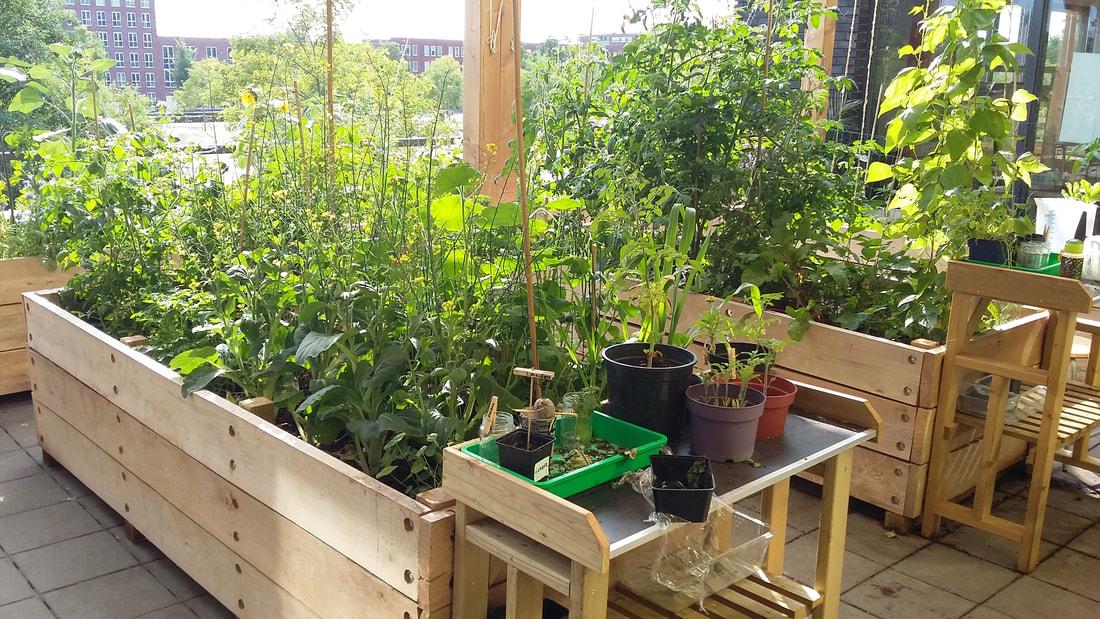
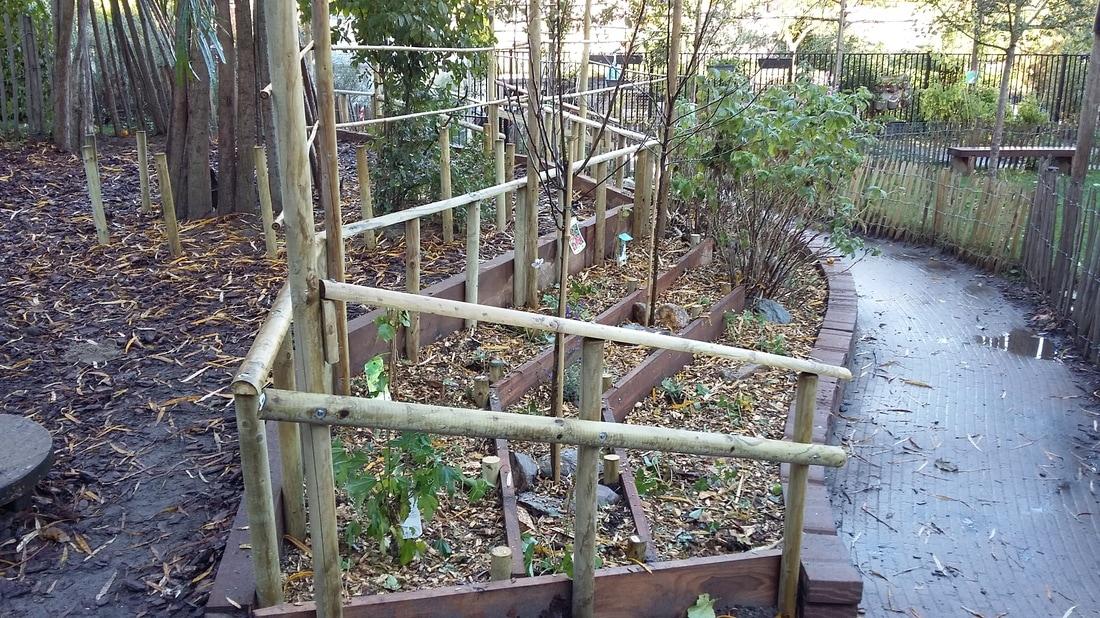
At the primary school Laterna Magica, a green rainproof playground was created that is effective in stormwater retention, reduces soil erosion, supports biodiversity and provides education possibilities for the children. The playground consists of bioswales, terraces, diverse and pollen-rich vegetation and a vegetable garden. (1,2)
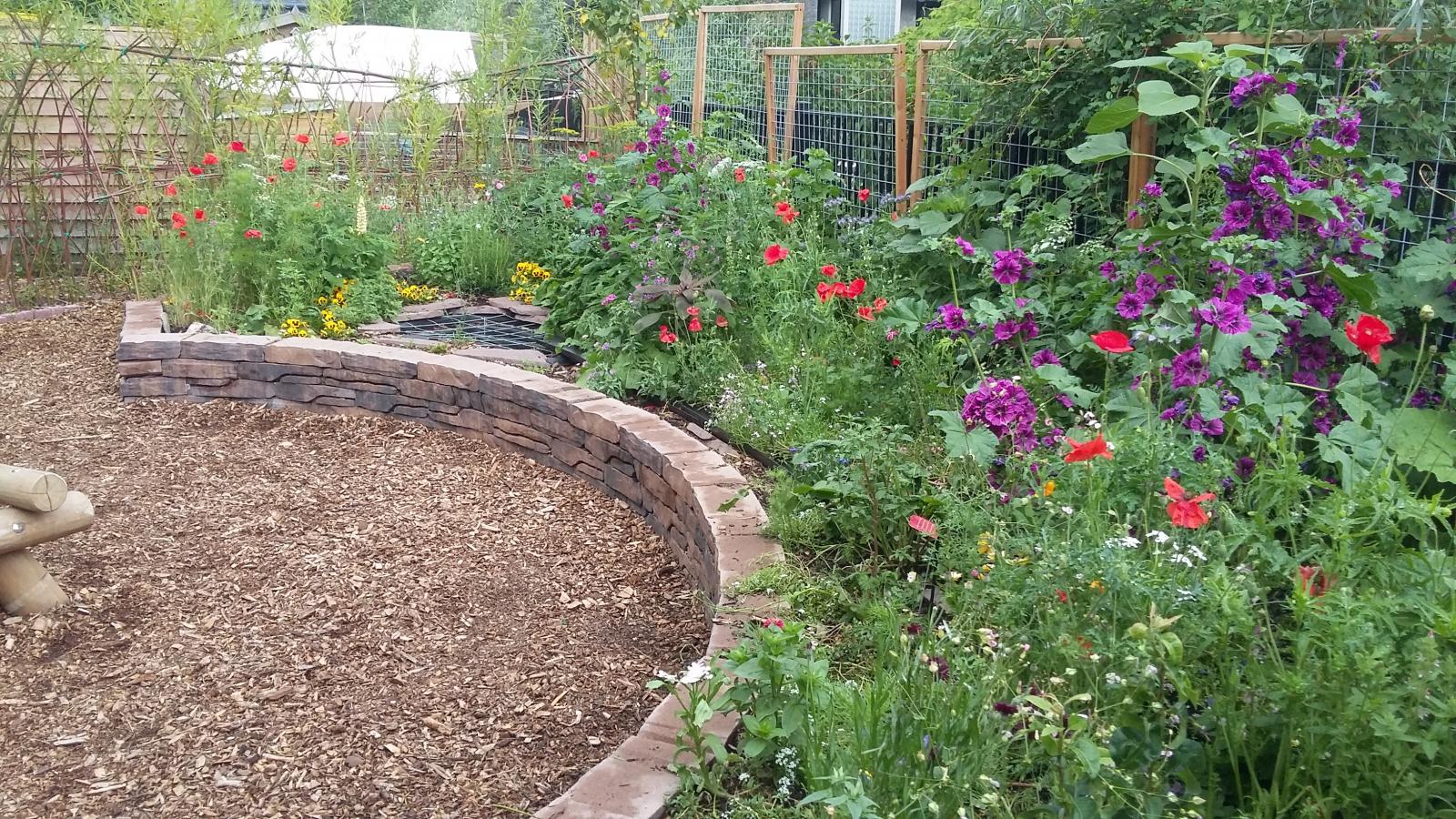
Green Rainproof School Playground
Towards Nature (www.towardsnature.net), retrieved 08/28/2018 from Tayfun Yalcin
Overview
Nature-based solution
- Grey infrastructure featuring greens
- Green playgrounds and school grounds
- Parks and urban forests
- Pocket parks/neighbourhood green spaces
- Community gardens and allotments
- Community gardens
- Blue infrastructure
- Other
- Green areas for water management
- Rain gardens
Key challenges
- Water management (SDG 6)
- Stormwater and rainfall management and storage
- Green space, habitats and biodiversity (SDG 15)
- Green space creation and/or management
- Environmental quality
- Regeneration, land-use and urban development
- Promote natural styles of landscape design for urban development
- Social justice, cohesion and equity (SDG 10)
- Environmental education
- Sustainable consumption and production (SDG 12)
- Sustainable consumption
- Sustainable production
Focus
Creation of new green areas
Project objectives
- Improve the stormwater retention on the schoolyard: by creating swales, planting rain water-absorbing vegetation and terraces (1,2)
- Create an area for food production: fruit trees, fruit bushes, herb garden (1,2)
- Promote biodiversity through the creation of habitat for species in the form of diverse and pollen-rich vegetation (1,2)
- Improve the environmental quality of the playground by adding green spaces and preventing soil erosion (1,2)
- Create environmental educational possibilities for children (1)
Implementation activities
- Creation of swales that manage water runoff, filter pollutants, increase water infiltration and reduce soil erosion (2Ö
- Creation of terraces that store stormwater and prevent soil erosion (2)
- Plantation of diverse plants and trees based on permaculture principles that store stormwater, provide food and habitat for species (1,2)
- Creation of 'Hugelculture' soil which is fertile soil that is moist and allows for growing vegetables, fruit and herbs. This is regarded as sustainable fertile soil (2)
-Creation of living willow structures (2)
- Installation of playground facilities that allow for exercise for children (2)
- Installation of environmental educational facilities on the schoolyard (1)
Main beneficiaries
- Public sector institution (e.g. school or hospital)
Governance
Management set-up
- Led by non-government actors
Type of initiating organisation
- Public sector institution
Participatory approaches/ community involvement
- Co-planning (e.g. stakeholder workshops, focus groups, participatory mapping)
Details on the roles of the organisations involved in the project
The Laterna Magica school has initiated to create a rainproof school playground, which is designed and implemented by Towards Nature (landscape designers). (1,2) The municipality of Amsterdam provided a subsidy for the creation of the playground (3)
Project implemented in response to ...
... an EU policy or strategy?
Unknown
... a national policy or strategy?
Unknown
... a local policy or strategy?
Yes
(Reaction to policy of the municipality of Amsterdam: ‘Amsterdamse Impuls Schoolpleinen 2016’ (Amsterdam Impulse School Playgrounds) which is programme of the municipality of Amsterdam to improve playgrounds of schools. The program focuses specifically on education on nature, improving exercise, safety, attractiveness and storm water retention. (1,3))
Financing
Total cost
Unknown
Source(s) of funding
- Public local authority budget
Type of funding
- Direct funding (grants, subsidies, or self-financed projects by private entities)
Non-financial contribution
Unknown
Impacts and Monitoring
Environmental impacts
- Environmental quality
- Improved soil quality
- Water management and blue areas
- Increased protection against flooding
- Improved stormwater management
- Green space and habitat
- Promotion of naturalistic styles of landscape design for urban development
- Increased green space area
- Increased number of species present
- Enhanced support of pollination
Economic impacts
- Unknown
Socio-cultural impacts
- Social justice and cohesion
- Increased access to healthy/affordable food
- Increased sustainability of agriculture practices
- Cultural heritage and sense of place
- Increased appreciation for natural spaces
- Education
- Increased knowledge of locals about local nature
Type of reported impacts
Expected impacts
Presence of formal monitoring system
Unknown
Presence of indicators used in reporting
No evidence in public records
Presence of monitoring/ evaluation reports
No evidence in public records
Availability of a web-based monitoring tool
No evidence in public records
References
1. Amsterdam Rainproof (2017). Groen rainproof schoolplein Laterna Magica. Accessed on November 3, 2020, Source link
2. Towards Nature. (n.d.). School Projects. Accessed on November 3, 2020, Source link
3. Gemeente Amsterdam. (2016). Amsterdamse Impuls Schoolpleinen. Amsterdam: Municipality of Amsterdam. Accessed on November 3, 2020 Source link
4. Towards Nature. (n.d.). Laterna Magica School Garden Implementation with permaculture - part 1, Accessed on November 3, 2020, Source link
5. Towards Nature. (n.d.). Laterna Magica School Garden Implementation with permaculture - part 2, Accessed on November 3, 2020, Source link
6. Towards Nature. (n.d.). Laterna Magica School Garden Implementation with permaculture - part 3, Accessed on November 3, 2020, Source link
7. Towards Nature. (n.d.). Laterna Magica School Terrace implementation, Accessed on November 3, 2020, Source link
2. Towards Nature. (n.d.). School Projects. Accessed on November 3, 2020, Source link
3. Gemeente Amsterdam. (2016). Amsterdamse Impuls Schoolpleinen. Amsterdam: Municipality of Amsterdam. Accessed on November 3, 2020 Source link
4. Towards Nature. (n.d.). Laterna Magica School Garden Implementation with permaculture - part 1, Accessed on November 3, 2020, Source link
5. Towards Nature. (n.d.). Laterna Magica School Garden Implementation with permaculture - part 2, Accessed on November 3, 2020, Source link
6. Towards Nature. (n.d.). Laterna Magica School Garden Implementation with permaculture - part 3, Accessed on November 3, 2020, Source link
7. Towards Nature. (n.d.). Laterna Magica School Terrace implementation, Accessed on November 3, 2020, Source link
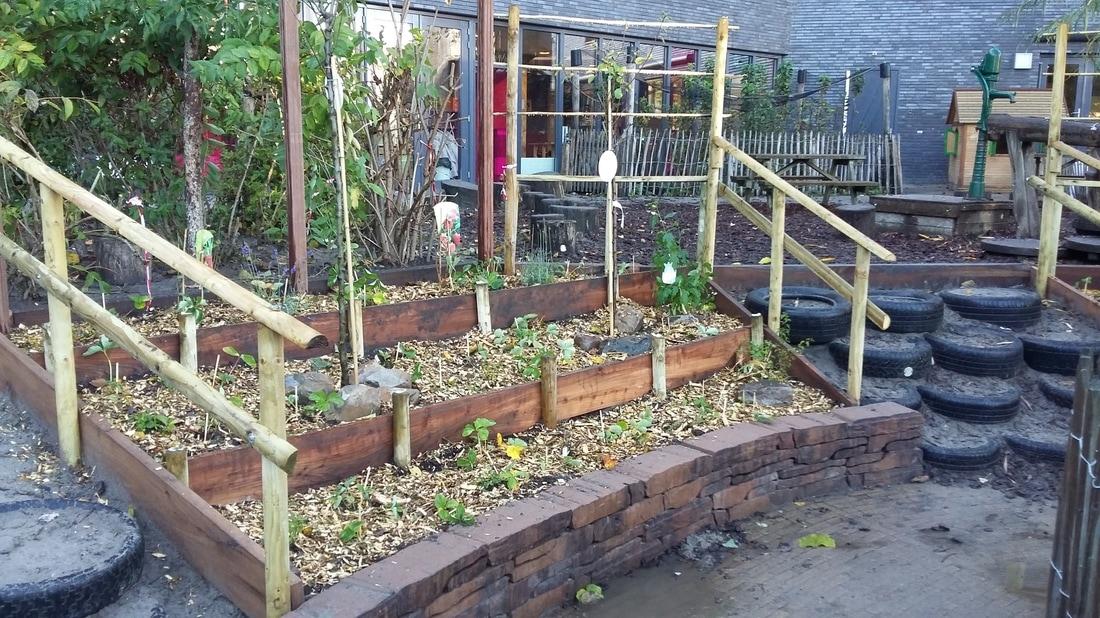
Source: http://www.towardsnature.net/laterna-magica-schoolpart1.html
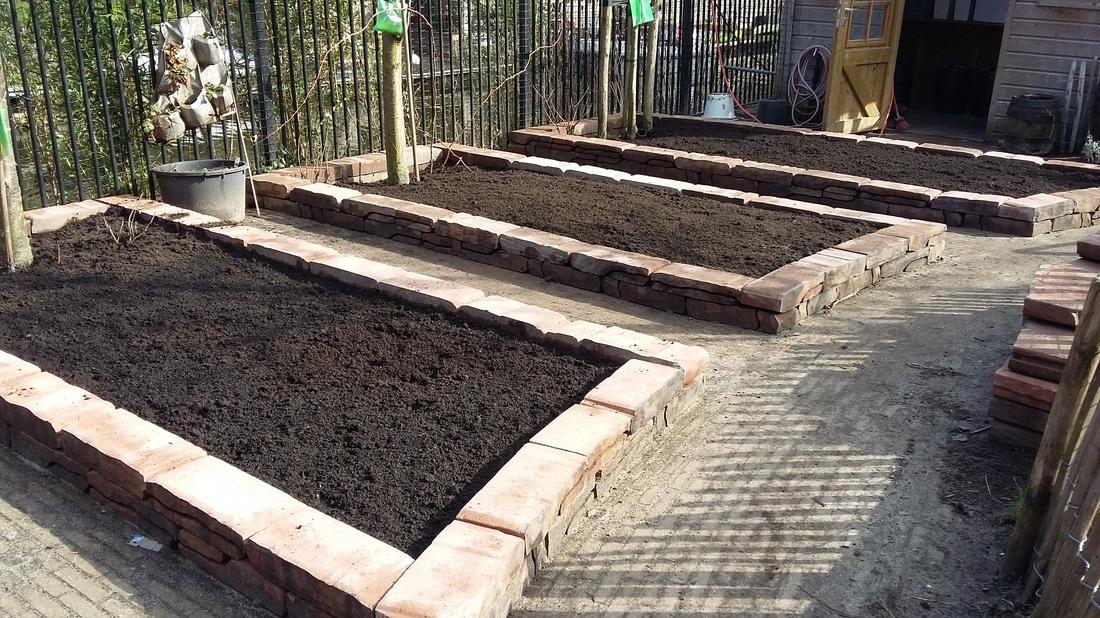
Source: http://www.towardsnature.net/laterna-magica-schoolpart3.html
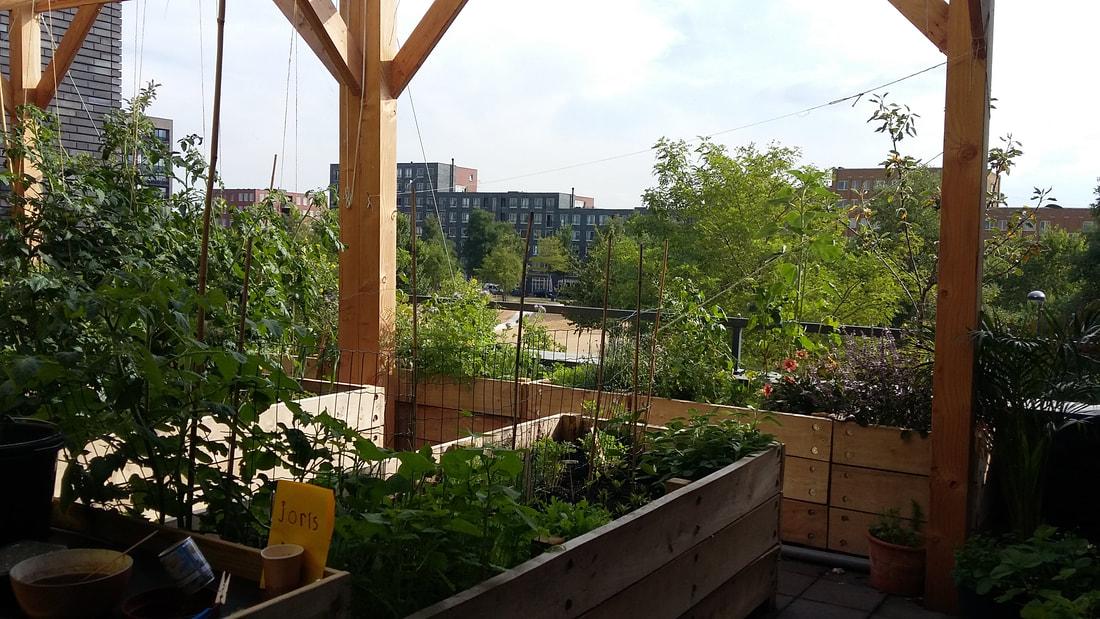
Source:http://www.towardsnature.net/laterna-magica-schoolpart-4.html
Source:http://www.towardsnature.net/laterna-magica-schoolpart-4.html
Source: http://www.towardsnature.net/laterna-magica-schoolpart1.html