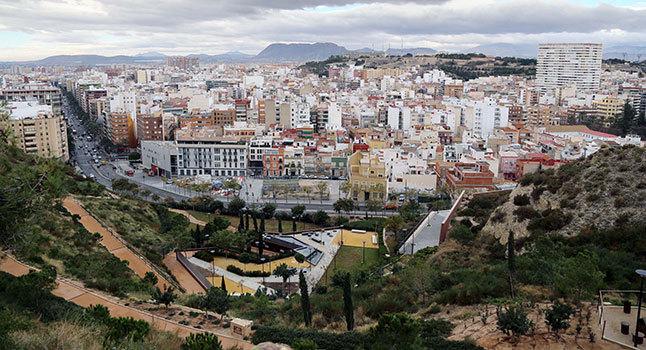
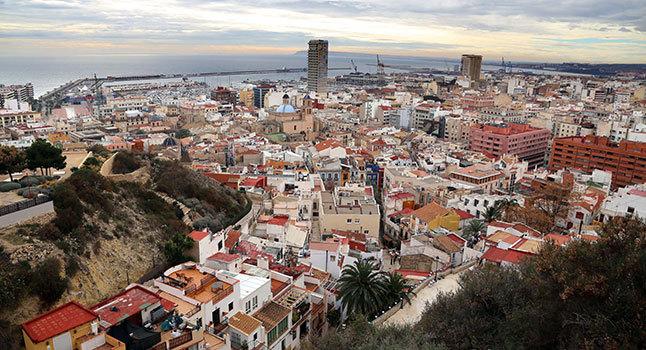
The Alicante City Council will receive 11 million euros from the European FEDER sustainable growth program 2014-2020 to carry out this project, the Integrated Sustainable Urban Development Strategy of Alicante DUSI Las Cigarreras. This funding will allow the integral transformation of an area that extends between The Castles of Santa Bárbara and San Fernando.” (Ref. 1). The specific transformation includes the recovery and dynamization of an important urban area that includes four historical neighbourhoods and two of the most emblematic mountains of the city, surrounded by two castles and with extensive green areas and rehabilitation of the existing city from the social and environmental sustainability, facing new urban development (Ref. 2)
Overview
Nature-based solution
- Grey infrastructure featuring greens
- Alley or street trees and other street vegetation
- Institutional green space
- Parks and urban forests
- Pocket parks/neighbourhood green spaces
Key challenges
- Green space, habitats and biodiversity (SDG 15)
- Green space creation and/or management
- Regeneration, land-use and urban development
- Conversion of former industrial areas
- Inclusive and effective governance (SDG 16)
- Inclusive governance
- Social justice, cohesion and equity (SDG 10)
- Social justice and equity
- Environmental and climate justice
- Social cohesion
- Social interaction
- Health and well-being (SDG 3)
- Enabling opportunities for physical activity
- Improving mental health
- Improving physical health
- Creation of opportunities for recreation
- Economic development and employment (SDG 8)
- Economic development: service sectors
- Tourism support
- Employment/job creation
- Cultural heritage and cultural diversity
- Preservation of natural heritage
- Protection of historic and cultural landscape/infrastructure
- Promotion of cultural diversity
Focus
Project objectives
Implementation activities
Main beneficiaries
- Local government/Municipality
- Researchers/University
- Citizens or community groups
Governance
Management set-up
- Government-led
Type of initiating organisation
- Local government/municipality
Participatory approaches/ community involvement
- Citizen oversight (e.g. boards, advisory)
- Citizen monitoring and review
Details on the roles of the organisations involved in the project
Project implemented in response to ...
Financing
Total cost
Source(s) of funding
- EU funds
- Public local authority budget
Type of funding
- Earmarked public budget
- Direct funding (grants, subsidies, or self-financed projects by private entities)
Non-financial contribution
Impacts and Monitoring
Environmental impacts
- Climate change
- Reduced emissions
- Energy efficiency improvements
- Environmental quality
- Reduced noise exposure
- Green space and habitat
- Increased ecological connectivity across regeneration sites and scales
- Restoration of derelict areas
- Other
Economic impacts
- Increase of green jobs (e.g. paid employment positions)
- Increased property prices
- Stimulate development in deprived areas
Socio-cultural impacts
- Social justice and cohesion
- Improved social cohesion
- Fair distribution of social, environmental and economic benefits of the NBS project
- Improved access to urban green space
- Increased visibility and opportunity for marginalised groups or indigenous peoples
- Increased involvement of locals in the management of green spaces
- Cultural heritage and sense of place
- Promotion of cultural diversity
- Protection of natural heritage
- Protection of historic and cultural landscape / infrastructure
- Education
- Increased support for education and scientific research
- Increased knowledge of locals about local nature
- Increased awareness of NBS and their benefits
Type of reported impacts
Presence of formal monitoring system
Presence of indicators used in reporting
Presence of monitoring/ evaluation reports
Availability of a web-based monitoring tool
References
2. Alicante Municipality. (2017). Alicante Sustainable and Integrated Development Strategy [Estrategia de Desarrollo Sostenible e integrado de Alicante]. Available at: Source link (Accessed: July 18, 2020)
3. Varó, Aitor (2017, April). Las Cigarreras and its surroundings concentrate the first phase of the project [Las Cigarreras y sus alrededores centran la primera fase del proyecto]. Available at: Source link (Accessed: July 18, 2020)
4. Informacion Journal (2016, December). Las Cigarreras will open up to the adjoining neighborhoods to integrate into its environment. [Las Cigarreras se abrirá a los barrios colindantes para integrarse en su entorno]. Available at: Source link (Accessed: July 18, 2020)
5. Alicante Municipality (2017, January). The Municipality presents the Roadmap for the Cigarreras DUSI to more than 80 entities. [El Ayuntamiento presenta la hoja de ruta de la DUSI 'Las Cigarreras' a más de 80 entidades]. Available at: Source link (Accessed: July 18, 2020)
6. Ambiente (2018, October). Alicante wants to race in its DUSI strategy to transform the city. [Alicante quiere coger carrera en su estrategia DUSI para transformar la ciudad]. Available at : Source link (Accessed: July 18, 2020)
7. Alicante Plaza. 2019. 'Compromís urges the PP of Alicante to detail the calendar of objectives of the EDUSI de Cigarreras'. March 14 2019. Available at: Source link. (Accessed: August 7, 2020)
8. Fulcher, M. 2017. Competition: Alicante coastal corridor, Spain. Available at: Source link. (Accessed 13 Aug 2020)