

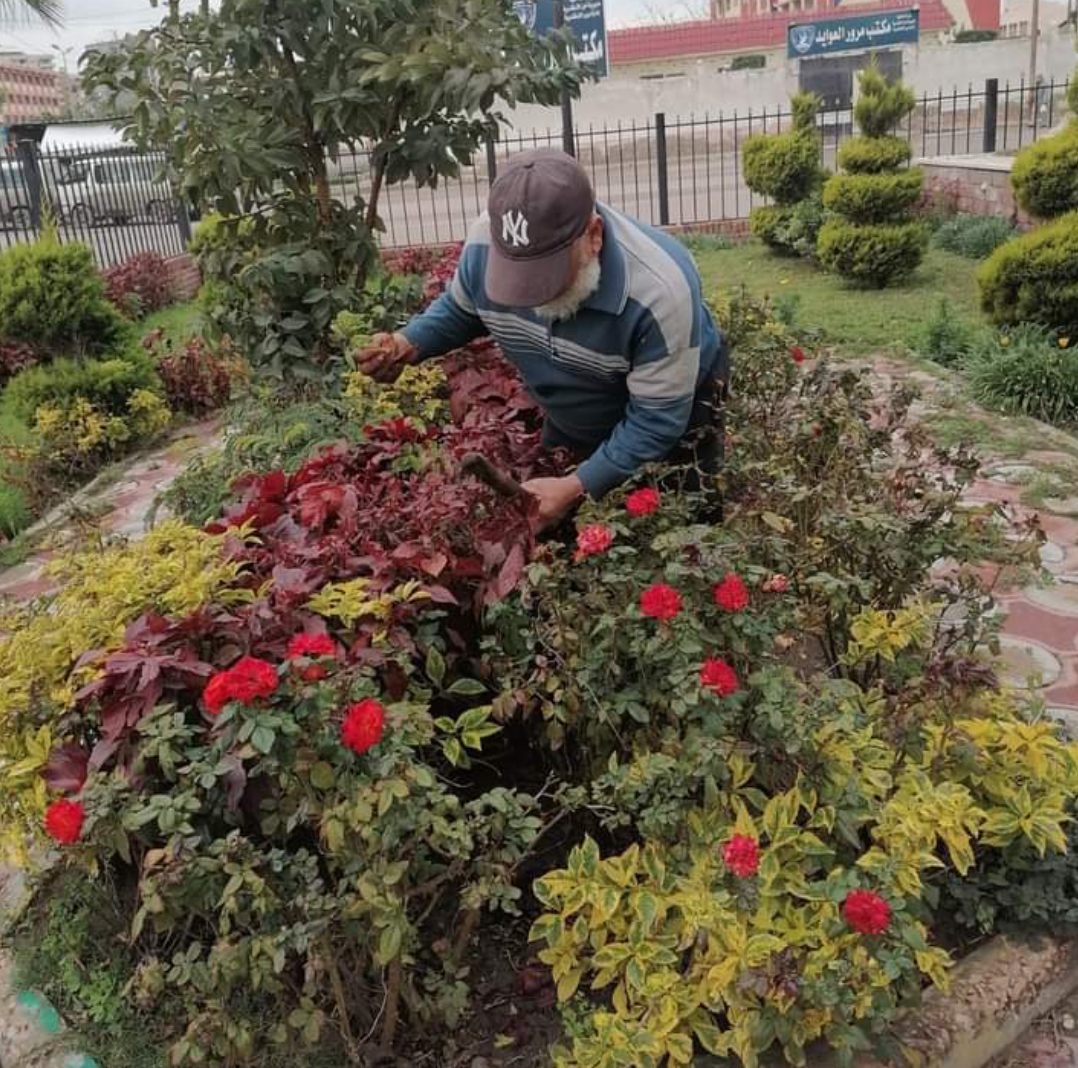
Alexandria is one of the vulnerable cities facing climate change (1). From rising sea levels, pollution, extreme rise and fall in temperature and the urban heat island effect, Alexandria is battling significant challenges (1). The city is also worldly renowned for it beaches and gardens that act as the lungs through which the city breathes, and are considered a haven for its people (1). Unfortunately, in the last ten years, there has been a decrease in parks and green areas, which is a cause for concern (1). This shrinkage comes at the expense of urban expansion and the establishment of Commercial and profitable projects, which is a challenge facing the environmental balance and cultural heritage of the city (1). To address the nature of the challenges and climate changes and their effects in Egypt, the president launched the "The 100 Million Trees Initiative" was brought into action in 2022 as part of the Egypt 2030 Vision (2-3). The campaign is meant to double the per capita share of green spaces across the country, improve air quality and people’s health, and reduce greenhouse gases. It will also aim to recoup economic benefits from the trees, including wood and olive oil (3). As part of this initiative, the governor of Alexandria was tasked with taking care of the green spaces and improving the aesthetic and civilizational level, within the scope of Alexandria's neighborhoods and centers (4). In 2023, the gardens department carried out the planting of 812 trees and shrubs of various types within the scope of Al-Muntazah 2 Neighborhood during Week 25 to continue the work of the presidential initiative to plant 100 million trees in the governorate's neighborhoods (4).
Overview
Nature-based solution
- Grey infrastructure featuring greens
- Alley or street trees and other street vegetation
- Institutional green space
Key challenges
- Climate action for adaptation, resilience and mitigation (SDG 13)
- Climate change adaptation
- Climate change mitigation
- Environmental quality
- Air quality improvement
- Green space, habitats and biodiversity (SDG 15)
- Green space creation and/or management
- Health and well-being (SDG 3)
- Creation of opportunities for recreation
- Improving physical health
- Social justice, cohesion and equity (SDG 10)
- Social justice and equity
- Social interaction
Principal problems in Functional Urban Area (FUA)
- Climate-Related Hazards
- Heat stress & Extreme temperatures
- Environmental Degradation
- Air pollution
- Land use and Socio-economic change
- Rapid urbanization
- Health, Well-being and Social cohesion
- Physical health harm (from pollution, wildfire, extreme temperature)
Key priorities
Focus
Project objectives
Implementation activities
Climate-focused activities
Climate change adaptation:
- Increase urban vegetation cover to reduce urban heat island effect
Climate change mitigation:
- Increase the availability of green urban space for carbon storage (street tree cover)
Specification of climate or environmentally vulnerable communities
Main beneficiaries
- Citizens or community groups
Governance
Management set-up
- Government-led
Type of initiating organisation
- National government
Participatory approaches/ community involvement
- Joint implementation (e.g. tree planting)
- Co-management/Joint management
Details on the roles of the organisations involved in the project
Project implemented in response to ...
Type of enablers
Financing
Total cost
Source(s) of funding
- Public local authority budget
- Public national budget
Type of funding
- Earmarked public budget
Non-financial contribution
Impacts and Monitoring
Environmental impacts
- Climate change
- Lowered local temperature
- Expected lowered local temperature
- Strengthened capacity to address climate hazards/natural disasters
- Expected strengthened capacity to address climate hazards/natural disasters
- Enhanced carbon sequestration
- Expected enhanced carbon sequestration
- Reduced emissions
- Expected reduced emissions
- Environmental quality
- Improved air quality
- Expected improved air quality
- Green space and habitat
- Increased green space area
- Achieved increased green space area
- Increased number of species present
- Achieved increased number of species present
Economic impacts
- Generation of income from NBS
- Expected generation of income from NBS
Socio-cultural impacts
- Social justice and cohesion
- Improved access to urban green space
- Achieved improved access to urban green space
- Health and wellbeing
- Gain in activities for recreation and exercise
- Expected gain in activities for recreation and exercise
- Improved physical health
- Expected improved physical health
Type of reported impacts
Presence of formal monitoring system
Presence of indicators used in reporting
Presence of monitoring/ evaluation reports
Availability of a web-based monitoring tool
Potential risks of implementation and trade-offs
References

 Information about this nature-based solution was collected as part of the Naturescapes project funded by the European Union under Grant Agreement No 101084341.