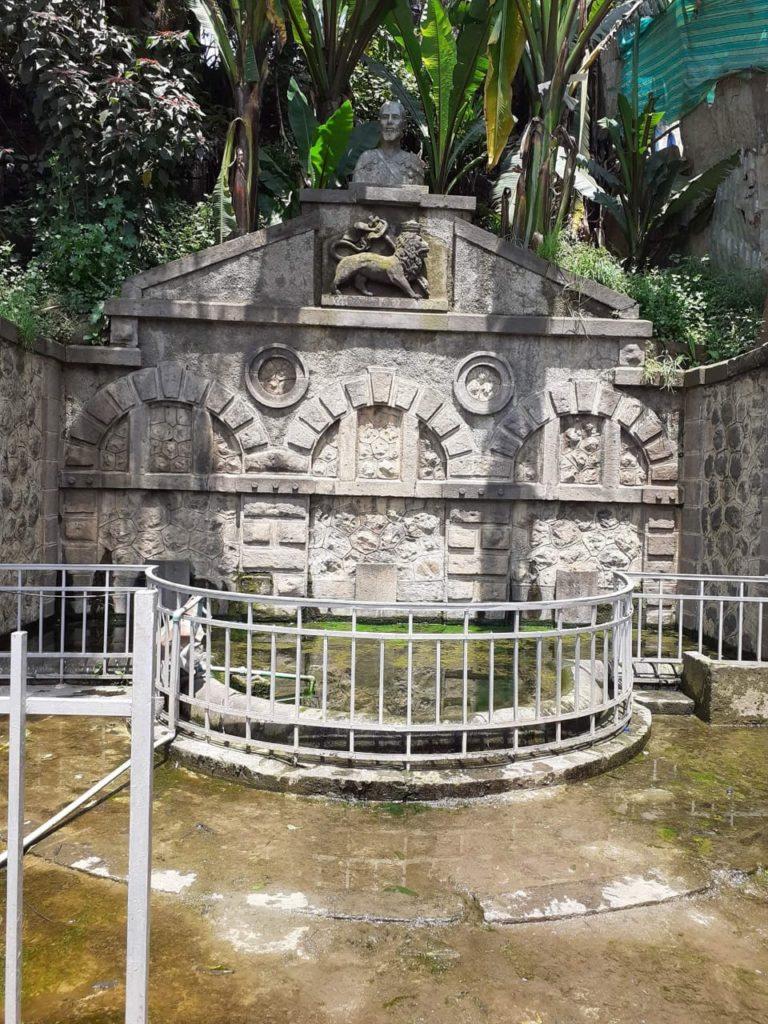
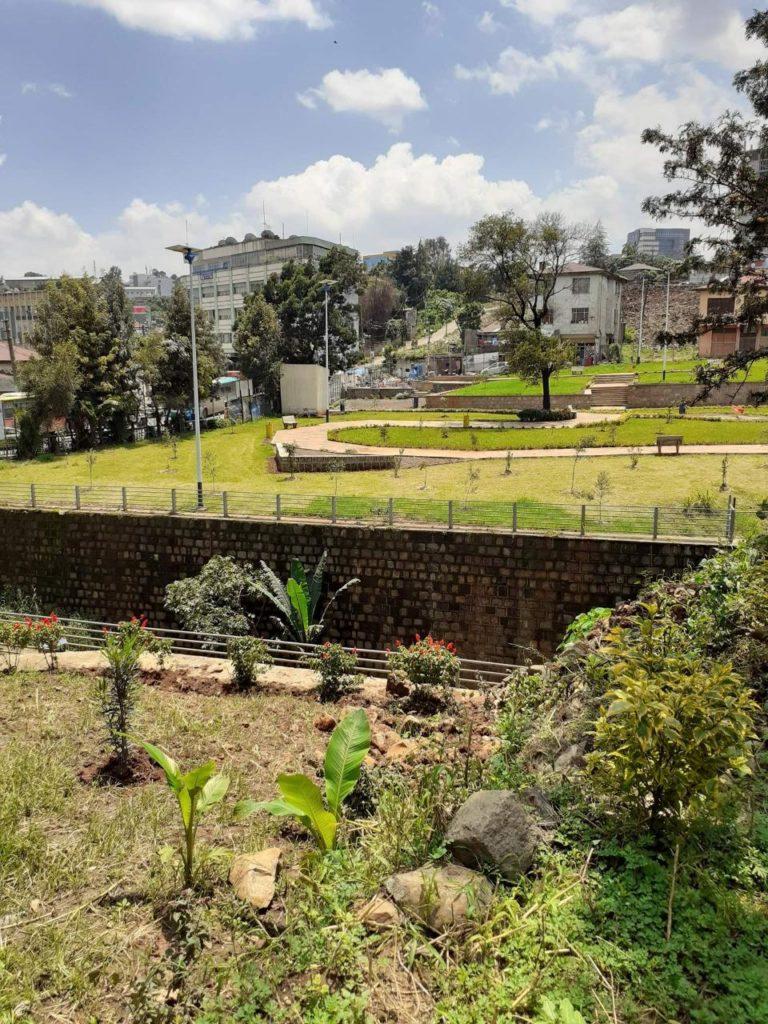
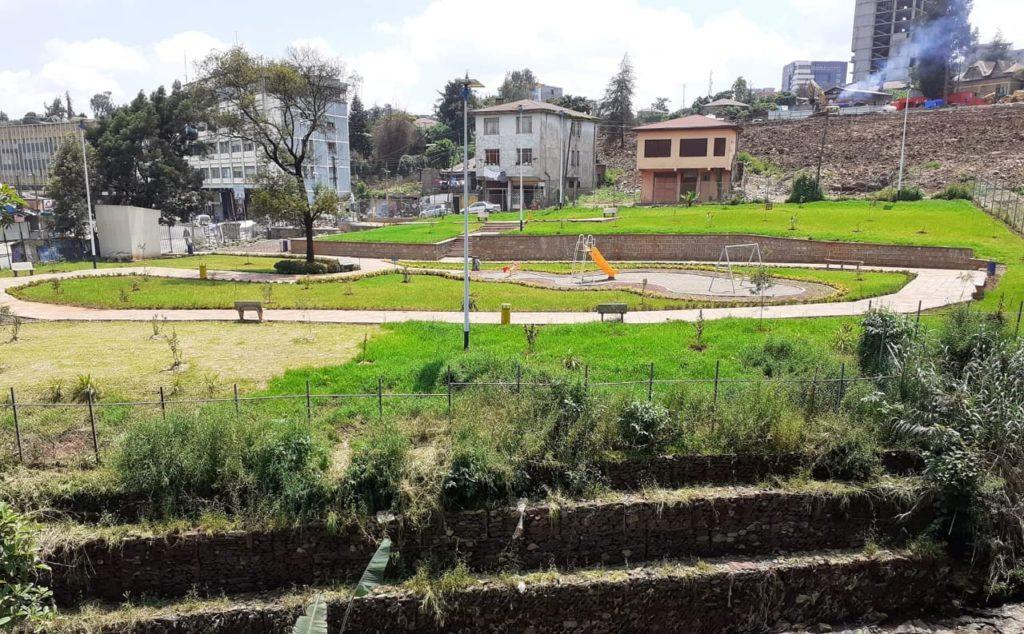
The Ras Mekonnen Urban Park is part of a larger intervention developed by ICLEI (an international NGO focused on the promotion of sustainable development) with the Addis Ababa municipality alongside the Shega river that crosses a nearby neighbourhood. The location of the park was initially used by locals as a dumping site affecting not only the quality of life of the inhabitants but also contributing to the environmental degradation of the area. As more and more people discarded their waste here, the small river running through the site, a tributary of the Shega River, became increasingly overgrown and inaccessible, resulting in a derelict, run-down space in an otherwise vibrant urban area. As such, action was needed, which eventually resulted in the rehabilitation of the river and the creation of the park, which now can be enjoyed by all the inhabitants of the Ras Makonnen neighbourhood. (1,2)
Overview
Nature-based solution
- Blue infrastructure
- Rivers/streams/canals/estuaries
- Parks and urban forests
- Pocket parks/neighbourhood green spaces
Key challenges
- Climate action for adaptation, resilience and mitigation (SDG 13)
- Climate change adaptation
- Environmental quality
- Soil quality improvement
- Green space, habitats and biodiversity (SDG 15)
- Habitat and biodiversity restoration
- Green space creation and/or management
- Regeneration, land-use and urban development
- Promote natural styles of landscape design for urban development
- Health and well-being (SDG 3)
- Creation of opportunities for recreation
- Social justice, cohesion and equity (SDG 10)
- Environmental education
- Economic development and employment (SDG 8)
- Employment/job creation
Focus
Project objectives
Implementation activities
Climate-focused activities
Climate change adaptation:
- Implement measures that prevent/manage desertification, soil erosion and landslides
- Increase or improve urban vegetation cover to help reduce outdoor temperature
- Renaturalization of rivers and other water bodies
Biodiversity conservation or restoration-focused activities
Biodiversity restoration:
- Rehabilitate and restore damaged or destroyed ecosystems
- Restore ecological connectivity
- Public engagement
Main beneficiaries
- Local government/Municipality
- Citizens or community groups
Governance
Management set-up
- Co-governance with government and non-government actors
Type of initiating organisation
- Local government/municipality
- Non-government organisation/civil society
- Researchers/university
- Multilateral organisation
Participatory approaches/ community involvement
- Dissemination of information and education
- Consultation (e.g. workshop, surveys, community meetings, town halls)
- Joint implementation (e.g. tree planting)
Details on the roles of the organisations involved in the project
Project implemented in response to ...
Financing
Total cost
Source(s) of funding
- Funds provided by non-governmental organization (NGO)
- Multilateral funds/international funding
Type of funding
- Direct funding (grants, subsidies, or self-financed projects by private entities)
Non-financial contribution
- Provision of land
- Provision of labour
- Provision of expertise
- Public authorities (e.g. land, utility services)
- Citizens (e.g. volunteering)
Impacts and Monitoring
Environmental impacts
- Climate change
- Strengthened capacity to address climate hazards/natural disasters
- Green space and habitat
- Increased green space area
- Increased number of species present
Economic impacts
- Increase of green jobs (e.g. paid employment positions)
Socio-cultural impacts
- Safety
- Improved community safety to climate-related hazards
- Social justice and cohesion
- Increased involvement of locals in the management of green spaces
- Education
- Increased support for education and scientific research
- Increased knowledge of locals about local nature
Type of reported impacts
Presence of formal monitoring system
Presence of indicators used in reporting
Presence of monitoring/ evaluation reports
Availability of a web-based monitoring tool
References
2. “Promoting Health and Wellbeing through Urban Forests and Green Public Spaces in Kenya and Ethiopia | Source link n.d. Source link. Accessed April 20, 2022. Source link. (accessed 20-04-2022)
3. Habitat, Photo: UN. 2020. “Using Minecraft to Redesign Urban Source link SwedBio. February 18, 2020. Source link.
(accessed 20-04-2022)
4. “Crafting Better Cities with Source link 2017. ICLEI. December 12, 2017. Source link. (accessed 20-04-2022)
5. “Building an Accessible, Sustainable Waterfront in Addis Source link n.d. Block by Block. Accessed April 20, 2022. Source link.